Cellophane has re-emerged as one of the most trusted materials for businesses wanting cleaner, safer and more sustainable packaging. While it has existed for decades, today’s demand for eco-friendly packaging has brought cellophane back into the spotlight. Unlike many modern plastics, true cellophane is plant-derived, breathable, compostable and suited to a wide range of industries, from food and gifts to specialty retail and craft markets.
This guide brings together the most essential practical uses and environmental advantages of cellophane bags, supported by natural answers to high-intent search questions and insights drawn from leading competitors.
What Is Cellophane?
Cellophane is a thin, transparent film made from cellulose, a plant-based material derived from wood pulp or cotton fibres. Because it comes from natural sources and contains no synthetic plastic polymers, true cellophane is biodegradable and compostable under the right conditions. Its clarity, strength, and breathability make it ideal for food packaging, gifting, and product presentation, while maintaining a lower environmental impact than traditional petroleum-based plastics.
Cellophane’s structure allows moisture to escape in controlled amounts, helping many products stay fresh for longer. It also supports heat sealing, making it practical for commercial packaging lines and small businesses alike.
What Are Cellophane Bags Used For?
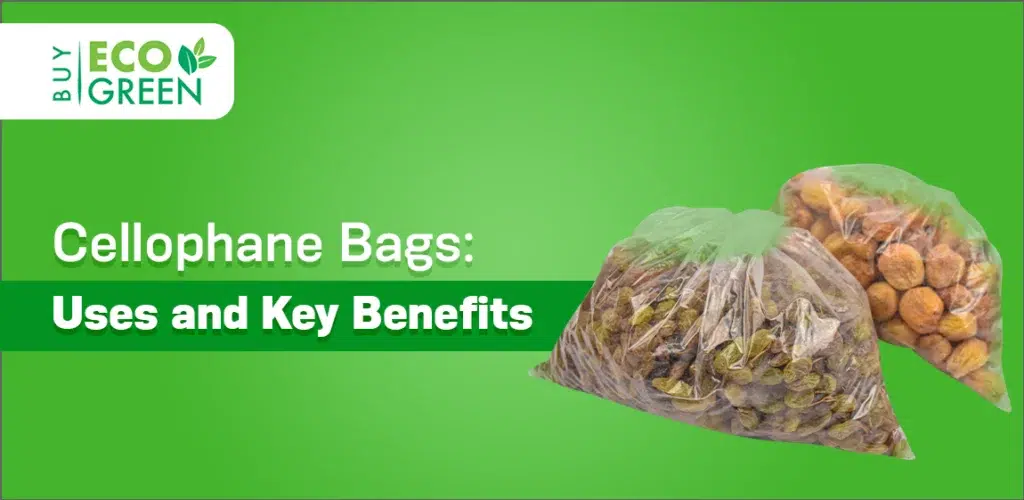
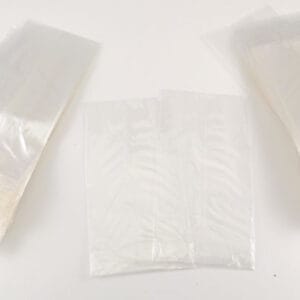
Cellophane bags are used for food packaging, gift wrapping, confectionery, bakery items, craft supplies, retail displays, and product protection, where clarity, hygiene, and presentation matter. Their strong, transparent film allows products to be seen clearly while providing a dependable barrier against dust, moisture and handling. Because they are plant-based and biodegradable, they offer a more responsible alternative for businesses seeking eco-friendly packaging.
Common uses include:
1. Food and Confectionery
Bakeries, sweet shops and specialty food producers rely on cellophane for biscuits, chocolates, caramel treats, dried fruit and gourmet goods. The cellophane’s breathability helps maintain freshness and reduces condensation.
2. Giftware and Hampers
Gift baskets, florists and homeware stores use cellophane bags and sheets for wrapping, presentation and decorative displays. Its glossy finish enhances product appeal without relying on petroleum-based plastics.
3. Retail Packaging
Small retailers package soaps, candles, samples, jewellery and handmade items in cellophane bags to create a clean, premium look while using a more natural material.
4. Craft and Market Products
Market stallholders often choose cellophane for craft kits, stationery, labels and handmade goods because the clarity improves shelf visibility and reduces the need for excess packaging.
5. Protective Inner Packaging
Cellophane can be used inside boxes as a protective, compostable liner to keep products stable in transit.
What Are the Benefits of Cellophane?
The benefits of cellophane come from its clarity, strength, biodegradability and ability to present products beautifully while reducing reliance on petroleum-based plastics. Businesses choose cellophane because it balances environmental responsibility with practical performance, making it suitable for food, retail and gift sectors. It can be heat-sealed, printed, and shaped easily, and because it is made from cellulose, it breaks down naturally without producing microplastics.
Key advantages include:
1. Biodegradable and Compostable
True cellophane breaks down in industrial composting and many home-compost environments, depending on thickness and coatings. It decomposes into water and carbon dioxide, leaving no microplastic residue.
2. Excellent Clarity and Presentation
Cellophane’s crisp, glossy finish enhances visual appeal, making it ideal for premium product packaging.
3. Strong and Heat-Seal Friendly
Despite being plant-based, cellophane is tough, tear-resistant and compatible with heat-seal machines, ensuring tamper-evident closure.
4. Breathable Yet Protective
Its naturally breathable membrane prevents moisture build-up and protects sensitive goods such as baked products, dried fruit and handmade soaps.
5. Odour-Free and Food-Safe
Cellophane contains no harmful chemicals or petroleum odours, making it suitable for direct food contact.
6. Versatile for Different Industries
From artisan producers to large retailers, cellophane suits a broad range of packaging needs without compromising product safety or display quality.
Why Cellophane Bags Are More Eco-Friendly Than Plastic Bags?
Cellophane bags are more eco-friendly than plastic bags because they are made from renewable plant materials, break down naturally and do not generate long-lasting microplastic pollution. Conventional plastic bags rely on fossil fuels, take hundreds of years to degrade and often accumulate in landfills or marine environments, contributing to significant ecological damage. Cellophane offers a cleaner end-of-life path while still delivering strong packaging performance.
Competitor analysis shows all leading sources highlight similar core advantages: biodegradability, plant-derived materials, and the absence of synthetic polymers. Expanding on these points:
1. Renewable Origins
Cellulose from sustainably managed forests or cotton makes cellophane a renewable alternative to petroleum-derived plastics.
2. True Biodegradation
Cellophane decomposes under composting conditions, unlike traditional plastics that break down into harmful microplastics.
3. Reduced Carbon Footprint
The production of cellophane generally uses fewer fossil fuels, supporting businesses seeking lower-impact packaging.
4. Safer for Wildlife
Because it breaks down more quickly and naturally, cellophane poses less long-term risk to marine life and ecosystems.
5. Clearer Labelling and Disposal
Consumers recognise compostable or biodegradable packaging more readily, improving disposal behaviour and decreasing landfill pressure.
How Cellophane Fits Into Modern Sustainable Packaging?
While interest in sustainable product packaging continues to grow, many businesses struggle to find materials that balance performance, compliance, and environmental responsibility. Cellophane provides a strong middle ground—high clarity and professional presentation, without the environmental burden of plastic.
Its role fits into sustainable packaging strategies such as:
1. Plastic-Free Packaging Solutions
Cellophane supports businesses aiming to eliminate or reduce plastic use by offering a plant-based alternative that remains durable and visually appealing.
2. Biodegradable Packaging
As a cellulose-based material, cellophane adds to the range of biodegradable options businesses can use to reduce landfill waste.
3. Eco-Friendly Packaging for Food Producers
Its breathability and clarity suit food sectors moving away from polypropylene and polyethylene bags.
4. Emerging Packaging Sustainability Trends
The shift towards compostable and circular materials continues to rise. Cellophane aligns with these trends by offering a material with proven performance and a cleaner end-of-life profile.
Choosing the Right Cellophane Bags for Your Business
An innovative selection process helps businesses match the right cellophane product to their packaging needs.
1. Identify Product Requirements
Food-grade bags, gusseted formats or flat bags suit different product shapes and moisture sensitivities.
2. Consider Thickness and Strength
Heavier products may need thicker film, while lightweight goods work well with slimmer options.
3. Check for Coatings
Some cellophane bags include thin coatings to improve sealability or grease resistance. Ensure coatings remain compostable.
4. Confirm Food Safety Certifications
If packaging food, choose certified food-safe cellophane.
5. Balance Presentation and Function
Gift products may need high clarity, while food items may require breathable ventilation.
Industry Examples Where Cellophane Performs Strongly
Businesses adopting cellophane typically fall into:
- Artisan food producers – baked goods, chocolate, confectionery
- Health and beauty brands – soaps, bath salts, skincare samples
- Gift and decor retailers – hampers, ribbons, seasonal packaging
- Eco-focused brands – plastic-free packaging solutions
- Craft makers and markets – handmade goods, kits, stationery
Each sector benefits from cellophane’s clarity, compostability and professional finish while reducing reliance on traditional plastic bags.
Summary
Cellophane bags offer a practical and environmentally responsible alternative to conventional plastics. Made from renewable cellulose, they support businesses aiming for sustainable packaging without losing professional presentation or durability. Whether used for food, retail, gifting or craft items, cellophane delivers clarity, strength and a lower-impact end-of-life path. As demand for biodegradable packaging grows, cellophane continues to stand out as one of the most versatile and genuinely eco-friendly solutions.
FAQs
1. Are all cellophane bags biodegradable?
Most true cellophane bags are biodegradable because they are made from cellulose, a natural plant-based material. However, not all products sold as “cellophane” are genuine cellulose film—some are synthetic plastic lookalikes. Businesses should always check supplier specifications or certifications to ensure they’re choosing biodegradable or compostable cellophane suitable for eco-friendly packaging.
2. Is cellophane safe for food packaging?
Yes, genuine cellophane is considered safe for food packaging because it contains no harmful chemicals and is naturally odour-free. Its breathable and moisture-resistant qualities help preserve baked goods, confectionery and dried foods without trapping excess humidity. Food-grade cellophane bags are widely used in bakeries, gourmet food stores and artisan production.
3. Can you heat-seal cellophane bags?
Cellophane bags can be heat-sealed using standard heat-sealing equipment, making them suitable for small retail setups and commercial packaging lines. Heat-sealing provides a tamper-evident finish and helps maintain product freshness. Some cellophane types have a special coating to improve seal strength, so choosing the right specification for your product is important.
4. Are cellophane bags recyclable?
Although cellophane is biodegradable and compostable, it is not usually recyclable through household recycling bins. Its value lies in its ability to break down naturally in composting environments. For businesses and consumers focused on reducing landfill, compostable cellophane offers a cleaner end-of-life path compared with traditional plastic bags.
5. Does cellophane create microplastics?
No, true cellophane does not create microplastics because it’s made from cellulose, not petroleum-based polymers. When composted, cellophane decomposes into natural elements such as water and carbon dioxide. This makes it a preferred option for brands wanting to avoid the long-term environmental impact associated with conventional plastics.
6. What is the difference between cellophane and plastic?
Cellophane is made from renewable plant fibres and is biodegradable, while plastic is made from petroleum and persists in the environment for hundreds of years. Although both materials can appear similar, their environmental outcomes, production processes and end-of-life behaviours are completely different. Cellophane offers clarity and strength without the pollution associated with plastic.
7. Where can businesses buy eco-friendly cellophane bags?
Eco-friendly cellophane bags can be sourced from suppliers that provide plant-based packaging solutions, such as BuyEcoGreen. These suppliers typically offer a range of compostable, food-safe and plastic-free options suited to retail, food service and craft businesses. Choosing trusted suppliers ensures authenticity, correct certifications and consistent product quality.