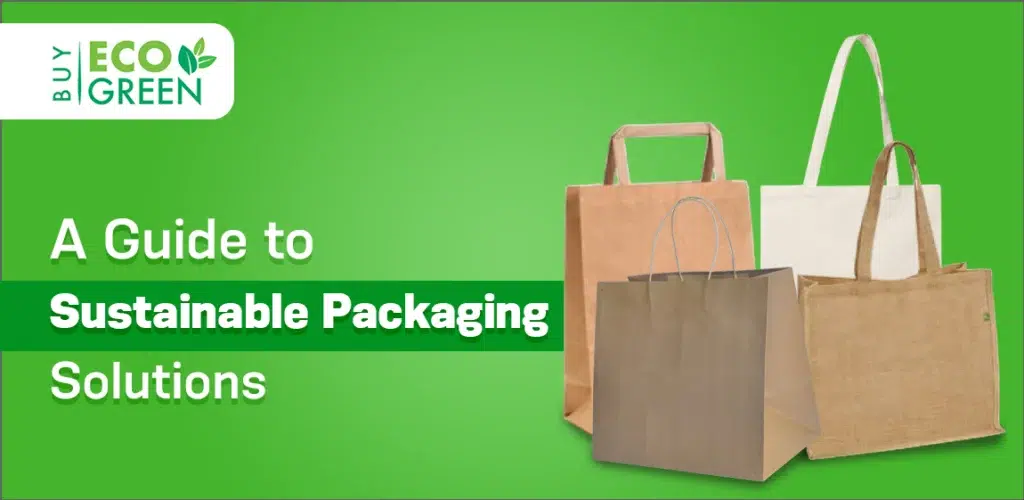
Sustainable packaging has become one of the most critical shifts in modern manufacturing, retail, and e-commerce. Australian businesses are moving quickly towards eco-friendly packaging options as consumer expectations, environmental regulations, and brand responsibility continue to evolve. This guide brings together practical insights, current solutions, and the latest sustainability trends shaping packaging in 2026.
What Is Sustainable Packaging?
Sustainable packaging is packaging designed to minimise environmental impact across its entire life cycle — from materials and production through to transport, use, and disposal. It aims to reduce waste, lower carbon emissions, and keep materials circulating in the economy for as long as possible. The idea is not just to replace plastics but to choose brighter, cleaner, and more efficient systems that protect products without harming the planet.
Sustainable packaging covers a wide range of options, including biodegradable packaging, compostable films, recycled cardboard, plant-based plastics, refillable formats, and fully plastic-free packaging solutions. The common thread across all these choices is reduced environmental burden and improved reusability or recoverability.
What Makes Packaging Sustainable?
Packaging is considered sustainable when it reduces resource use, avoids harmful materials, and can be reused, recycled, or returned safely to the environment. A sustainable solution also considers energy use, supply-chain efficiency, and the end-of-life pathway, ensuring minimal long-term waste.
To understand whether a packaging option is genuinely sustainable, look for:
1. Responsible Materials
- Recycled paper and cardboard
- FSC-certified fibre
- Compostable or biodegradable bioplastics
- Recycled-content plastics
- Natural plant-based alternatives (bamboo, bagasse, hemp)
2. Efficient Manufacturing
Sustainable packaging uses cleaner production technology, renewable energy where possible, and low-impact inks or adhesives. Reduced water consumption and responsible chemical management are also key markers of sustainable design.
3. Recyclability or Compostability
A strong sustainability profile requires an end-of-life path that keeps materials out of landfill. Packaging should be easy for consumers to dispose of properly, with clear labels supporting correct behaviour.
4. Lightweight and Low-Waste Design
Design efficiency matters. Thinner materials, compact forms, and reduced layers help cut transport emissions and lower overall environmental footprint.
5. Durability and Product Protection
Sustainable doesn’t mean fragile. Good eco-friendly packaging protects products effectively, prevents breakage, and reduces returns — all of which improve environmental performance.
Why We Need Sustainable Packaging?
The shift toward sustainable packaging is essential because traditional plastics and single-use materials generate long-lasting pollution, waste valuable resources, and contribute heavily to climate change. With plastic use rising globally and landfill capacity tightening, change is no longer optional for businesses or consumers.
The need for sustainable packaging is driven by:
1. Environmental Impact
Australia produces millions of tonnes of packaging waste each year, much of which ends up in oceans and ecosystems. Eco-friendly packaging can dramatically reduce pollution and conserve raw materials.
2. Consumer Expectations
Shoppers increasingly prefer brands that offer plastic-free packaging and transparent sustainability practices. This shift is decisive among younger consumers who make decisions based on environmental values.
3. Regulatory Pressure
The Australian Government and industry bodies are pushing for higher recycling rates, reduced virgin plastic use, and mandatory labelling. Businesses that adapt early are better positioned to comply.
4. Cost Efficiency Over Time
While some sustainable packaging options may cost more upfront, they can reduce logistics costs, improve brand loyalty, and support long-term savings through circular design.
5. Brand Differentiation
Firm sustainability commitments build trust, attract environmentally conscious customers, and create a competitive advantage in crowded markets.
Eco-Friendly Packaging Options for Australian Businesses
The Australian market now offers a diverse range of options for businesses looking to adopt sustainable product packaging. Key solutions include:
1. Biodegradable Packaging
Made from plant-based sources such as corn starch, PLA, or bagasse, biodegradable packaging breaks down naturally over time. It’s ideal for food service, meal delivery, and retail products where single-use items are necessary but need a lower impact.
2. Compostable Packaging
Certified home-compostable and commercially compostable packaging leaves no toxic residue when disposed of correctly. Compostable mailers and food containers have proliferated across e-commerce and hospitality.
3. Recycled Cardboard and Kraft Paper
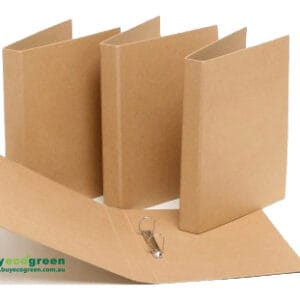
Recycled fibre packaging is one of the most accessible and eco-friendly packaging options. Strong, versatile, and widely recyclable, cardboard remains a core solution for shipping, retail display, and protective materials.
4. Plastic-Free Packaging Solutions
Plastic-free packaging prioritises renewable materials such as bamboo, sugarcane bagasse, hemp paper, and natural adhesives. These solutions help brands remove unnecessary plastics entirely.
5. Reusable and Refillable Systems
Refill pouches, reusable glass containers, and circular packaging models let customers return or reuse packaging multiple times. Growing interest in zero-waste lifestyle choices is strengthening demand for these systems.
Sustainable Packaging Trends in 2026
The most significant sustainable packaging trends in 2026 centre on circular design, advanced material innovation, improved recyclability, and stronger consumer demand for zero-waste solutions. Businesses are expected to adopt more innovative supply chain systems, reduce their reliance on virgin plastics, and invest in packaging transparency and traceability.
Emerging trends include:
1. Circular Packaging Systems
2026 will see more closed-loop systems where packaging is collected, reused, and reintroduced into production streams. Retailers and e-commerce brands are adopting take-back programs and refill initiatives.
2. Material Technology and Bio-Innovation
Biopolymers derived from algae, seaweed, and food waste will expand. These next-generation materials reduce emissions and break down more safely than traditional plastics.
3. Monomaterial Packaging
Easier recycling through single-material designs will gain traction. Monomaterial pouches, cartons, and containers reduce contamination and improve recycling outcomes.
4. Digital Labelling and Transparency
QR codes and traceability platforms will allow consumers to verify material origins and correct disposal instructions, improving recycling accuracy and brand accountability.
5. Energy-Efficient Manufacturing
Automation, renewable energy, and low-impact production lines will be adopted widely as businesses prioritise carbon-neutral packaging operations.
6. Minimalist Packaging Design
Brands are moving towards simpler, lighter, and more efficient designs to cut emissions and reduce waste without compromising product safety.
How Businesses Can Choose the Right Sustainable Packaging
A practical approach helps ensure packaging choices align with both sustainability and commercial needs.
1. Understand Your Product Requirements
Temperature sensitivity, moisture, weight, and fragility all influence the selection of the right eco-friendly packaging solution.
2. Consider End-of-Life Pathways
Choose materials that customers can realistically recycle or compost, given their local infrastructure.
3. Prioritise Material Transparency
Clear labelling and education help customers make the right disposal decisions.
4. Work With Trusted Suppliers
Partner with suppliers who offer certified sustainable materials and have clear environmental standards.
5. Test and Iterate
Trial different packaging formats, gather customer feedback, and track product safety and logistics efficiency.
Summary
Sustainable packaging is no longer a trend — it’s a fundamental shift towards cleaner, more responsible business practices. Whether through biodegradable or plastic-free packaging, recycled materials, or reusable systems, every step towards sustainability contributes to a healthier environment and more substantial brand confidence. With 2026 bringing rapid innovation and rising standards, Australian businesses that invest now will be better positioned to lead in a circular, low-waste future.
FAQs
1. What is the most sustainable type of packaging?
The most sustainable packaging is one that uses renewable, recycled, or compostable materials and can be easily reused or recycled by most households. Options such as recycled cardboard, FSC-certified paper, compostable mailers, and plant-based bioplastics generally offer the lowest environmental footprint. Their sustainability comes from reduced resource use, lower emissions, and cleaner end-of-life pathways that keep waste out of landfills.
2. Is biodegradable packaging better than traditional plastic?
Biodegradable packaging is typically better for the environment because it breaks down naturally, avoids long-term pollution, and reduces reliance on fossil fuels used to create conventional plastics. While they still need proper disposal, biodegradable materials create fewer microplastics and have a lower carbon footprint. Traditional plastics can take hundreds of years to decompose, making biodegradable alternatives a more responsible choice for many applications.
3. What are the benefits of plastic-free packaging solutions?
Plastic-free packaging solutions help reduce landfill waste, cut ocean pollution, and lower carbon emissions created by plastic production. Materials like bamboo, bagasse, and recycled paper are renewable, compostable, and safer for wildlife. Businesses also gain stronger consumer trust, as shoppers increasingly prefer brands that remove unnecessary plastics. For many sectors, plastic-free options also simplify recycling and support a cleaner circular economy.
4. How can businesses transition to sustainable packaging?
Businesses can transition by assessing their current materials, choosing eco-friendly alternatives, and testing new formats such as compostable packaging, recycled cardboard, or reusable systems. Clear labelling helps customers dispose of materials responsibly, while supplier partnerships ensure reliable access to certified sustainable options. Gradually replacing high-impact plastics with environmentally conscious materials allows companies to improve sustainability without disrupting operations.
5. Is sustainable packaging more expensive?
Some sustainable packaging options may cost slightly more upfront, but they often deliver long-term savings through reduced material use, lighter freight costs, and stronger customer loyalty. Prices continue to fall as demand grows and technology improves. When businesses adopt efficient designs, choose local suppliers, and minimise waste, sustainable packaging can be just as cost-effective as conventional materials — with far better environmental outcomes.