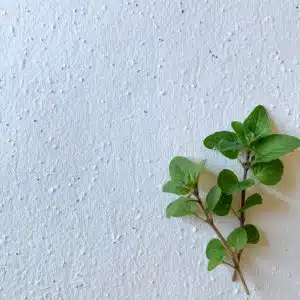
Raffia is a natural plant fibre stripped from the young leaves of the raffia palm, Raphia farinifera, a species native to Madagascar and tropical Africa. For Australian schools, councils, offices, retailers and community organisations choosing lower-impact packaging and display materials, raffia is one of the few plant-based fibres that deliver practical strength, a clean, natural finish, and a clear sustainability story in a single product.
Buyecogreen stocks both natural and coloured raffia in bulk-friendly quantities as part of its broader sustainable packaging and school art-and-craft range. This guide explains what raffia is, where it comes from, how it performs, and where it fits into institutional procurement.
What is raffia?
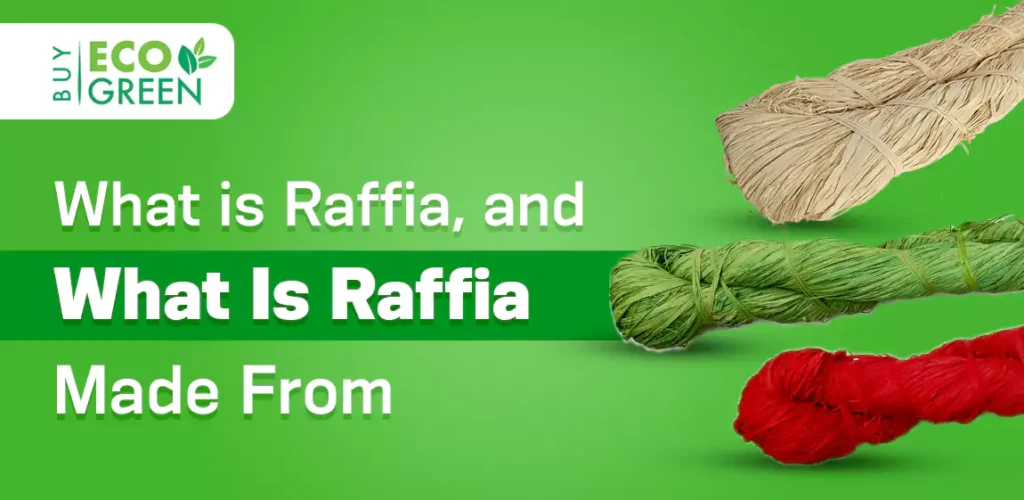
Raffia is a long, flexible natural fibre harvested from the leaves of the raffia palm. The fibre can be bundled, dyed, twisted, woven or tied, which is why it appears in packaging, display styling, classroom art programs, event presentation and decorative work.
Because raffia is plant-based rather than synthetic, it is widely chosen by organisations that want to reduce reliance on plastic ribbons, plastic twine and synthetic decorative strands. Natural raffia has an earthy, straw-like appearance and a soft, organic texture. Coloured raffia retains that texture while adding visual energy for campaigns, themed displays, gift packs and seasonal merchandising.
What is raffia made from in Australia?
Raffia sold in Australia is generally made from genuine raffia palm leaves, not from a synthetic plastic substitute. Australian suppliers source the natural fibre from raffia-producing regions and supply it locally for packaging, craft, floristry, display, and corporate gifting.
Buyecogreen’s natural raffia is a long, undyed fibre sourced from leaves grown in Madagascar and Africa. Its coloured raffia range begins as the same plant-based fibre, then takes dye to produce a spectrum of vibrant shades suitable for display and presentation work.
This distinction matters for procurement teams. Some buyers assume raffia is a paper ribbon or a synthetic decorative strand sold under the same name. True raffia is neither. It is a natural plant fibre with a clear botanical origin, which is one reason it remains the default choice for environmentally responsible packaging and display.
How raffia is made
Raffia production is a low-tech, low-impact process. The young leaves of the raffia palm are stripped from the leaf stem soon after they unfurl. The strands are then sun-dried, sorted by length and grade, and either left in their natural straw shade or dyed in batches for coloured ranges. Long fibres are bundled into hanks for institutional use, while dyed fibres are bundled in the same way once the colour has set.
Because the process relies on the natural plant cycle and minimal mechanical input, raffia has a lower embodied energy footprint than most synthetic ribbons and plastic twines. This is one reason it appears so often in sustainability-led procurement specifications.
Where does raffia come from?
Raffia comes from raffia palms, particularly species associated with Madagascar and parts of tropical Africa. Raphia farinifera is the species most commonly linked to commercial raffia supply, and Madagascar remains the dominant source region for high-grade fibre. Botanical references at Kew Gardens and other plant authorities document the species’ long use in cordage, weaving, packaging and handicrafts.
For Australian buyers, this means the locally stocked raffia is imported as a natural packaging and craft material and supplied to the domestic market. Buyecogreen’s own product information identifies its raffia as fibre from Madagascar and Africa.
Natural raffia vs coloured raffia
Both versions are made from the same plant fibre. The choice usually comes down to brand aesthetic and use case.
Feature
Natural raffia
Coloured raffia
Appearance
Earthy, straw-like, undyed
Dyed in a range of shades
Best suited to
Neutral packaging, brown kraft pairings, classroom craft, low-key sustainability messaging
Themed displays, seasonal campaigns, gift presentation, event styling, and school art programs
Low-waste, natural presentation across multiple campaigns
Branding, theming, school colour-coding
For procurement teams running multiple campaigns a year, stocking a small range of both is usually more efficient than choosing one and replacing it season by season.
Why raffia still matters in sustainable packaging
Raffia solves two procurement problems at once. It performs practical tasks such as tying, bundling, securing a wrap, or adding decorative fill, and it does so with a finish that supports environmentally responsible branding rather than working against it. A welcome pack tied with a plastic ribbon undercuts the recycled paper underneath it. The same pack tied with natural raffia reinforces the sustainability message.
That matters across categories. Schools use raffia in nature-based displays and art programs. Councils and not-for-profits use it in event packs, community campaigns and award presentations. Offices use it in gifting, conference packs and milestone packaging. Retailers use it in hampers, point-of-sale styling and seasonal windows. Eco-focused community groups use it in fundraising packs and stallholder presentations.
Benefits of raffia material for institutional buyers
Three benefits drive most procurement decisions.
First, material credibility. Raffia is plant-based, biodegradable and lightly processed. That stacks up well against sustainability targets and tender requirements that ask suppliers to disclose the origin of materials.
Second, visual flexibility. Natural raffia suits a restrained, neutral presentation. Coloured raffia carries themes, school colours and brand palettes. The same fibre serves both ends of the spectrum, which simplifies stock holding.
Third, practical performance. Raffia is strong enough to tie bundles and secure wraps, soft enough for delicate items, and easy to store in long hanks without degradation between campaigns. The same qualities that make raffia dependable in woven fashion accessories, namely texture, dye uptake and hand-shaping, are what make it reliable for packaging and display use.
When Australian organisations should choose raffia
Raffia is worth specifying when presentation materials need to look more natural than plastic alternatives while maintaining functionality. Useful applications include classroom craft, nature-based learning and school event displays, council community campaigns and award packs, eco-focused retail gift wrapping and hampers, office gifting and conference welcome packs, not-for-profit fundraising and stallholder presentation, and childcare centre craft programs.
For Australian organisations reviewing packaging, display and craft materials, raffia is a low-friction switch with a clear sustainability story. Natural raffia delivers an earthy, low-impact finish. Coloured raffia carries themes, colours and campaigns without losing the tactile quality of a plant-based fibre. Both sit comfortably within a wider procurement strategy built around recycled, biodegradable and responsibly sourced materials.
FAQs
Is raffia biodegradable?
Yes. Natural raffia is a plant fibre from the raffia palm and breaks down in suitable organic conditions, making it a lower-impact alternative to plastic ribbons and synthetic ties.
What is the difference between natural and coloured raffia?
Natural raffia is an undyed fibre with a straw-like finish. Coloured raffia is the same fibre dyed for display, gift or campaign use. Both retain raffia’s flexibility and strength.
Is raffia strong enough for packaging and tying
Yes. Long raffia strands hold bundles, secure wrap and shape decorative work, while staying soft enough to use on delicate items without marking them.
Why do Australian organisations choose raffia for eco-friendly packaging?
Raffia delivers a natural, low-impact finish that pairs well with recycled paper, kraft and tissue. It reinforces sustainability messaging without compromising presentation quality.
Can schools, councils and businesses buy raffia in bulk from Buyecogreen?
Yes. Buyecogreen supplies natural and coloured raffia in bulk-friendly quantities for schools, councils, offices, childcare centres and community groups. For bulk pricing or stock checks, call 1300 663 488 or email info@buyecogreen.com.au.