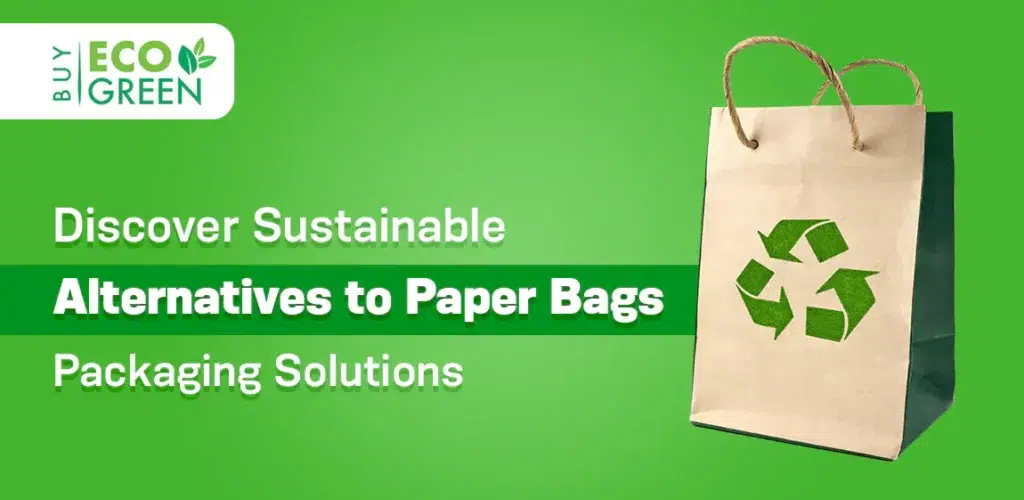
Paper bags are often seen as the safer choice, but they are not always the most practical or lowest-impact option for every business. For retailers, grocers, market stalls, food outlets and event brands, the better question is not paper versus plastic. It is determining which packaging format best suits the product, how often it will be reused, and what happens after the customer is done with it.
That shift in thinking is why more Australian businesses are now looking at eco-friendly packaging solutions that reduce waste without making day-to-day operations harder. Depending on the job, that might mean biodegradable plastic bags for short-life convenience, or jute and cotton bags for long-term reuse. It also means rethinking packaging as part of a broader circular-economy approach, where durability, recovery, recycling, and compostability all matter. Australia’s packaging direction is moving the same way, with national targets focused on packaging that is reusable, recyclable or compostable.
For businesses, the real opportunity is to choose packaging that works harder. The right option protects products, supports your brand, meets customer expectations, and helps reduce unnecessary waste.
The need for sustainable packaging solutions
Sustainable packaging solutions matter because businesses are under pressure from both customers and regulations to reduce waste and use materials more responsibly. In practical terms, good packaging now needs to do more than carry a product. It should use fewer resources, be well-suited to the product, and have a clear end-of-life path, such as reuse, recycling, or composting. In Australia, that shift is reinforced by national packaging targets and by growing circular-economy policies.
For many businesses, paper bags were once the obvious alternative to conventional plastic. They remain useful in plenty of settings, especially for light retail or takeaway. But paper is not automatically the best answer in every case. Heavier items, wet goods, repeat-use shopping, boutique retail, and branded promotional use often call for stronger, more sustainable packaging alternatives.
That is where businesses start exploring a broader mix of options, including biodegradable plastic bags, reusable packaging bags, and natural fibre carriers such as jute and cotton. The goal is not to chase trends. It is to match the packaging to the purpose.
Biodegradable plastic bags: an eco-friendly alternative
Biodegradable plastic bags are designed to break down more readily than conventional plastic when disposed of under the right conditions. Many are made from plant-based materials or formulated for compostability, making them a practical choice for businesses that need lightweight, flexible packaging but want a lower-impact option than standard single-use plastic. Not all biodegradable bags behave the same way, though, so checking certification and disposal requirements is essential.
For many businesses, biodegradable bags are attractive because they still feel familiar. They are lightweight, easy to store, quick to pack, and well-suited to high-volume environments. Think produce counters, takeaway service, event sampling, pharmacy retail, or any setting where speed matters.
They can also support a cleaner brand message when sourced from a credible supplier of biodegradable bags. Customers increasingly look for packaging that reflects a business’s values, and the bag itself is often one of the first things they notice.
That said, biodegradable does not mean careless disposal is fine. Performance depends on the material and the available waste stream. Some products are suited to industrial composting, while others may not break down properly in landfills or the natural environment. That is why businesses should choose certified products and provide simple disposal guidance where possible. In other words, biodegradable bags work best when they are part of a clear packaging system, not just a label.
Jute and cotton bags: a durable and reusable option
Jute and cotton bags are a strong choice for businesses that want packaging customers will use again and again. They are durable, easy to brand, and better suited to repeat shopping, gifting, promotions and premium retail than any short-life carry bag. For businesses focused on longevity and brand visibility, reusable shopping bags wholesale can often deliver more value over time than single-use formats. Reuse models are also gaining attention as part of the wider shift towards circular packaging systems.
Jute bags bring a sturdy, natural look that works well for groceries, wine, hampers and heavier retail items. They have a textured finish that feels substantial in the hand and often suits brands that want an earthy, premium or artisan presentation.
Cotton bags, by contrast, are versatile and familiar. They are popular for clothing stores, events, libraries, markets and promotional campaigns because they fold easily, print well and feel soft without being flimsy. For many businesses, cotton tote bags sit in the sweet spot between function and brand exposure.
The real strength of jute and cotton bags lies beyond sustainability. It is for repeated use. A well-made reusable bag can stay in circulation for months or years, which means your packaging keeps working long after the first transaction. That gives it a dual role as both a carry solution and low-key advertising.
Biodegradable plastic bags vs. jute and cotton bags
Biodegradable plastic bags are usually the better option when you need convenience, speed and a lower unit cost for short-term use. Jute and cotton bags are usually the better option when durability, repeat use and brand value matter more. The right choice depends on how your customers will use the packaging, what products you sell, and whether you need a one-off carry bag or a reusable asset.
Here is the practical difference.
When biodegradable plastic bags make more sense
Biodegradable bags suit fast-moving retail and food environments where customers need something light, functional and easy to carry home. They take up little storage space, pack efficiently, and can be a sensible step for businesses moving away from conventional plastic while keeping operations simple.
When jute and cotton bags make more sense
Jute and cotton bags suit brands that want a stronger visual impression and longer product life. They are ideal for repeat customers, premium retail, trade shows, gift packs and businesses that want reusable packaging bags to become part of the customer experience.
Cost and value
A biodegradable bag often has a lower upfront cost. A reusable natural fibre bag often has better long-term value, especially if it is branded and reused many times.
Customer perception
A biodegradable bag signals practical environmental improvement. A jute or cotton bag signals durability, intention and stronger brand positioning.
End-of-life considerations
Biodegradable bags need the right disposal stream to perform as intended. Jute and cotton bags generally work best when reused extensively first, then recycled, repurposed or disposed of responsibly at the end of their life.
How to choose the right packaging solution for your business
The right packaging solution for your business is the one that fits your product, customer behaviour, storage and fulfilment processes, and sustainability goals. Start with function first, then compare cost, reuse potential, brand impact and disposal pathway. Businesses that choose well usually avoid two common mistakes: selecting packaging based only on price, or selecting packaging based only on green claims.
A straightforward way to decide is to work through these questions:
1. What are you packing?
Heavy, bulky or awkward products often need stronger materials. Lightweight retail items may not.
2. Is the packaging meant for one trip or many?
If the customer is likely to reuse the bag, a durable jute or cotton option may outperform a single-use format.
3. What matters most to your customers?
For some customers, convenience wins. For others, reusability and appearance matter more.
4. What disposal option is realistic?
There is no point choosing a compostable or biodegradable item if your customers are unlikely to have access to the right disposal stream.
5. Does the packaging support your brand?
Packaging is often part of the product experience. A cheap bag can make a premium purchase feel ordinary. A well-designed reusable bag can add perceived value.
6. Can your supplier support consistency?
Reliable eco-friendly packaging suppliers do more than offer products. They help with sizing, availability, material guidance and wholesale ordering that fits your business model.
For Australian businesses, it also makes sense to keep one eye on the broader packaging landscape. National packaging targets and policy changes are pushing the market towards better-designed packaging systems, stronger recovery pathways and fewer problematic single-use items. Choosing smarter packaging now can save time and hassle later.
The future of packaging: innovations and trends
The future of packaging is moving towards systems that reduce waste at the design stage, keep materials in use longer, and make disposal clearer for customers. That includes better compostable materials, stronger reuse models, lighter packaging formats, smarter material selection, and circular design principles that reduce unnecessary packaging from the start. In Australia, this direction is being shaped by policy reforms and market demand.
Several trends are worth watching.
First, reusable packaging is becoming more commercially attractive. It is no longer just an environmental talking point. More brands are exploring returnable and repeat-use models because they can improve customer loyalty and reduce dependence on single-use materials.
Second, compostable and bio-based materials are improving. Better material science is helping create packaging that performs more like conventional plastic while offering additional end-of-life options. But certification and infrastructure will remain critical. A better material only works when the disposal system is clear.
Third, packaging design is becoming more intentional. Businesses are paying closer attention to right-sizing, material reduction, transport efficiency and clearer labelling. That is a major step forward because sustainability is not only about replacing one material with another. Often, the smartest move is using less material in the first place. APCO’s guidance reflects this broader design-led approach.
Choosing better packaging starts with choosing the right purpose
There is no one-size-fits-all answer in sustainable packaging. The best option depends on how your business operates and how your customers actually use the packaging.
If you need flexibility and convenience, biodegradable plastic bags can be a practical choice when used carefully. If you want durability, repeat use and stronger brand visibility, jute and cotton bags are often the better investment. For many businesses, the smartest strategy is not picking one over the other. It is using both in the right places.
For brands looking for sustainable alternatives to paper bags, that kind of practical mix often delivers the strongest results. It keeps packaging functional, improves customer perception, and supports a more responsible approach without making operations harder.
For Buyecogreen, that is where the real opportunity sits: helping businesses move beyond default packaging choices and towards packaging that is useful, reusable where possible, and better aligned with the way modern customers shop.
FAQ
What are the best sustainable alternatives to paper bags for businesses?
The best sustainable alternatives to paper bags include biodegradable plastic bags, reusable cotton tote bags, and durable jute shopping bags. Each option serves different business needs. Biodegradable bags work well for short-term use in food and retail environments, while jute and cotton bags are designed for repeated use and stronger branding opportunities. Businesses often combine multiple packaging types to balance sustainability, cost, and customer convenience.
Are biodegradable plastic bags better than regular plastic bags?
Biodegradable plastic bags break down faster than conventional plastic under the right conditions, making them a more responsible option for many businesses. While they still require proper disposal systems to perform effectively, they reduce long-term plastic persistence compared with traditional plastic bags. When sourced from a reliable biodegradable bags supplier, these bags can provide a practical step toward more sustainable packaging.
Why do businesses use jute and cotton bags for packaging?
Businesses use jute and cotton bags because they are durable, reusable, and well-suited for branding. These natural fibre bags can be reused many times by customers, reducing the need for single-use packaging. They are particularly popular with retailers, grocery stores, event organisers, and promotional campaigns because they combine sustainability with strong brand visibility.
Are reusable shopping bags better for the environment?
Reusable shopping bags can significantly reduce packaging waste when they are used repeatedly. Bags made from cotton or jute typically last much longer than single-use alternatives, reducing the overall number of bags needed. The environmental benefit increases each time the bag is reused, making durable reusable packaging bags a key part of sustainable packaging strategies.
How can businesses choose eco-friendly packaging suppliers?
Businesses should choose eco-friendly packaging suppliers that offer certified materials, transparent sourcing, consistent product quality, and scalable wholesale supply. A good supplier will also help businesses select the right packaging format for their product type, logistics and sustainability goals. Working with reliable suppliers helps ensure packaging decisions remain practical and environmentally responsible.