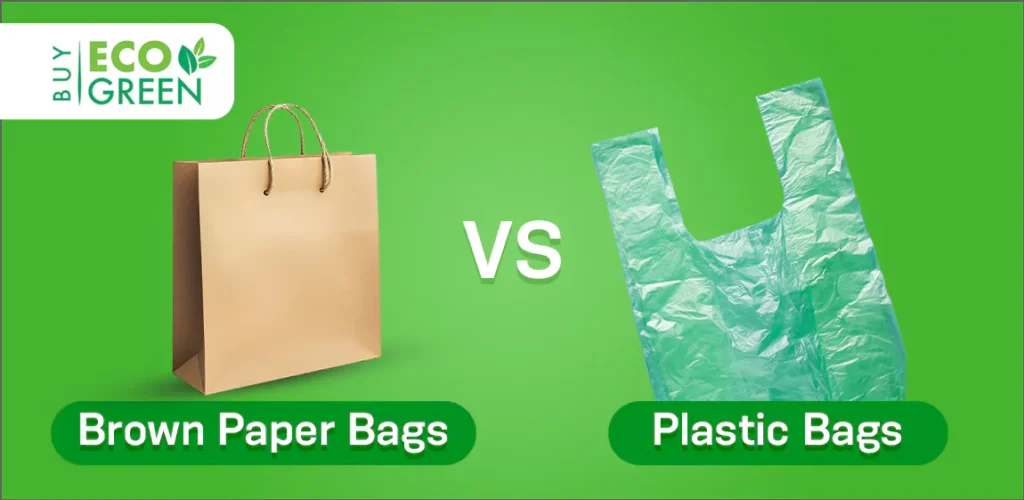
In the modern world, sustainability has become a significant focus, and the packaging industry is no exception. One of the most frequently debated topics is the choice between brown paper bags and plastic. Both options are widely used for packaging, but upon closer examination of their environmental impacts, durability, and practicality, the differences become clear. This article explores the pros and cons of brown paper bags versus plastic, and why opting for eco-friendly packaging is more important than ever in Australia.
Understanding Brown Paper Bags and Plastic: What You Need to Know
What Are Brown Paper Bags?
Brown paper bags are made from unbleached, recycled, or new paper pulp. Their simple, natural look makes them a popular choice for packaging in both retail and food industries. As more people become aware of environmental issues, the demand for brown paper bags has grown, thanks to their ability to biodegrade and be recycled.
What Are Plastic Bags?
Plastic bags, made from polymers like polyethylene, are one of the most ubiquitous forms of packaging worldwide. They’re lightweight, durable, and cost-effective, making them the go-to choice for many businesses. However, their environmental impact has been heavily criticised due to their non-biodegradable nature & harmful effects on wildlife and ecosystems.
Pros and Cons of Brown Paper Bags
Pros of Brown Paper Bags:
- Biodegradable and Compostable: One of the most essential advantages of brown paper bags is their ability to break down naturally over time. Unlike plastic bags, they do not persist in landfills for centuries.
- Recyclable: Paper bags can be recycled multiple times, reducing the overall waste.
- Sustainable Materials: Brown paper bags are made from renewable resources like trees, and many brands use recycled paper in their production, enhancing their eco-friendly profile.
- Customizable for Branding: Businesses can print on brown paper bags, making them an effective and sustainable marketing tool.
Cons of Brown Paper Bags:
- Higher Carbon Footprint in Production: The process of manufacturing paper bags can have a high carbon footprint due to the energy required to process wood pulp into paper.
- Less Durable than Plastic: Brown paper bags are susceptible to tearing and may not handle heavy or wet items as well as plastic bags.
- More Expensive: Generally, brown paper bags are more expensive to produce than plastic, which can be a disadvantage for businesses trying to cut costs.
- Deforestation Concerns: Though many paper bags are made from recycled material, some are still sourced from trees, leading to concerns over deforestation.
Pros and Cons of Plastic Bags
Pros of Plastic Bags:
- Durable and Lightweight: Plastic bags are durable and can carry heavy loads without breaking. They are also much lighter than paper bags.
- Cost-Effective: Plastic bags are cheaper to produce and buy, making them a popular option for businesses.
- Waterproof: Unlike paper bags, plastic bags are resistant to water, making them suitable for packaging items like liquids and food.
- Reusable: Many people reuse plastic bags for various purposes, such as lining bins or carrying items.
Cons of Plastic Bags:
- Non-Biodegradable: Plastic bags can persist in landfills for up to 1,000 years, significantly contributing to lasting environmental pollution.
- Harmful to Wildlife: When plastic bags end up in the ocean, they pose a danger to marine life, as animals may ingest or become entangled in them.
- Resource-Intensive to Produce: Despite being cheap to purchase, plastic bags require non-renewable fossil fuels to produce, contributing to greenhouse gas emissions.
- Recycling Challenges: Although technically recyclable, plastic bags are often not recycled properly and can end up contaminating other recycling streams.
Sustainable Packaging in Australia: Making the Right Choice
As more consumers and businesses in Australia adopt sustainable alternatives, the demand for eco-friendly packaging options, such as biodegradable paper bags, is on the rise. By investing in products like biodegradable paper bags and sustainable packaging in Australia, businesses can reduce their environmental footprint, improve their brand reputation, and meet regulatory standards on plastic waste reduction.
Which Option is Better for Your Business?
When choosing between brown paper bags and plastic, it’s essential to consider the type of business you operate and your commitment to sustainability. Brown paper bags are a fantastic option if you’re looking to promote an environmentally-conscious image and support the reduction of single-use plastics. They are ideal for businesses in the food, retail, and packaging industries that can handle the higher production cost and need a more sustainable packaging option.
On the other hand, if cost-effectiveness, durability, and functionality are your primary concerns, plastic may still have a place in your business. However, exploring eco-friendly plastic alternatives, such as biodegradable plastic bags or incorporating reusable packaging solutions, could be beneficial in the long run.
Conclusion
While both brown paper bags and plastic bags have their pros & cons, the choice ultimately comes down to the specific needs of your business and your commitment to sustainability. As more companies opt for eco-friendly packaging options, switching to biodegradable paper bags could be an effective way to enhance your brand image, reduce your environmental footprint, and align with Australian values of sustainability.
FAQs on Brown Paper Bags vs. Plastic
Are brown paper bags biodegradable?
Yes, brown paper bags are biodegradable and break down naturally, unlike plastic bags, which can take hundreds of years to decompose.
What are the advantages of using brown paper bags for packaging?
Brown paper bags are eco-friendly, recyclable, and can be made from sustainable resources, making them a great choice for businesses aiming for sustainability.
Can brown paper bags carry heavy items?
Brown paper bags are generally suitable for lighter items, but they may not be as durable as plastic bags for heavy or wet goods.
Are there eco-friendly alternatives to plastic bags?
Yes, biodegradable paper bags, reusable fabric bags, and biodegradable plastic bags are all viable alternatives to traditional plastic bags.
How does the environmental impact of plastic bags compare to paper bags?
Plastic bags take much longer to degrade, leading to greater long-term environmental pollution, whereas paper bags decompose more quickly and are made from renewable resources.
What is the cost difference between brown paper bags and plastic bags?
Brown paper bags are generally more expensive to produce than plastic bags, which makes them less cost-effective for businesses with tight budgets.
Where can I buy eco-friendly paper bags wholesale in Australia?
Businesses looking to purchase eco-friendly packaging options, including paper bags, can source them through Australian wholesale suppliers like Buyecogreen.