Cellophane Bags
Find More Products
Eco Friendly Cellophane Bags

$352.00 (incl. tax)
$320.00 (excl. tax)

$16.28 (incl. tax)
$14.80 (excl. tax)

$20.02 (incl. tax)
$18.20 (excl. tax)
$128.57 (incl. tax)
$116.88 (excl. tax)

$46.20 (incl. tax)
$42.00 (excl. tax)
Cellophane Bags Australian
Most bags sold in Australia as cellophane are not cellophane at all. They are BOPP, which stands for biaxially oriented polypropylene, a petroleum-based plastic film that looks almost identical to genuine cellulose cellophane but does not biodegrade. BOPP bags go to landfill. They are not accepted in kerbside recycling and they do not break down in soil or compost.
Buyecogreen stocks real cellulose cellophane bags made from plant-based materials including wood pulp, cotton and hemp. Genuine cellulose cellophane is biodegradable. It breaks down in soil and compost and does not leave the microplastic residue that petroleum-based films produce. For schools, councils, government organisations, retailers and community groups that want packaging to match their environmental values, the distinction between real cellophane and BOPP plastic matters and it is worth knowing before placing an order.
A straightforward way to check what you have is the tear test. Genuine cellulose cellophane tears cleanly, like paper. BOPP plastic stretches before it tears. If a bag stretches rather than tears, it is plastic, not plant-based cellophane.
What cellulose cellophane bags are used for
Cellophane bags serve a wide range of packaging and presentation needs across institutional, retail and community settings. The combination of clarity, lightness and biodegradability makes them a practical choice for organisations that need professional-looking packaging without plastic.
Gift and hamper packaging. Clear cellophane bags are the standard format for presenting individual gifts, hamper components, seasonal products and fundraising items. The contents are fully visible through the bag, and the bag can be sealed with a twist tie, ribbon, hemp cord or heat sealer depending on the level of closure needed.
Event and market materials. Community organisations, councils and not-for-profit groups running markets, fairs, school fetes and environmental events use cellophane bags to package homemade goods, seedlings, produce, craft items and event merchandise. Biodegradable bags keep the packaging consistent with the event’s environmental messaging.
School art and classroom supplies. Teachers and art room coordinators use cellophane bags to sort and distribute craft materials, store completed artwork, package take-home activity kits and present end-of-term gifts. The coloured cellophane sheets in the Buyecogreen range are used alongside flat bags for colour theory, stained glass art and light-based craft projects.
Retail and eco-focused product presentation. Small businesses, market stallholders and eco-focused retailers use biodegradable cellophane bags as a plastic-free alternative to the OPP and BOPP bags that are standard in most packaging supply ranges. Paired with a recycled swing tag and hemp cord, they deliver a clean, natural presentation that photographs well and communicates the brand’s environmental position clearly.
Greeting card and print protection. Flat cellophane bags in the right dimensions are the standard format for sleeving greeting cards, art prints, postcards and stationery before display or dispatch. Buyecogreen’s flat bag range includes sizes suited to standard card formats.
Understanding the difference between cellulose cellophane and BOPP
This distinction matters for any organisation that is making procurement decisions based on environmental credentials, because the two materials have very different environmental profiles despite looking similar.
Cellulose cellophane is derived from plant fibres, most commonly wood pulp but also cotton and hemp. It is the original cellophane material, developed in the early twentieth century before petroleum-based plastics became dominant. It is biodegradable, compostable in the right conditions and does not release microplastics as it breaks down.
BOPP (biaxially oriented polypropylene) is a petroleum-derived plastic that is manufactured to be optically clear and strong. It is cheaper to produce than cellulose cellophane and has taken over the majority of the market. Most suppliers who use the word “cellophane” or “cello” are selling BOPP. Koch and Co, one of the largest packaging suppliers in Australia, explicitly states on their website that their cello bags are made from BOPP, not genuine cellophane. BOPP cannot be kerbside recycled and does not biodegrade.
Buyecogreen stocks genuine cellulose cellophane bags. If environmental credentials are important to your organisation’s packaging decisions, this is the product to choose.
Bag formats available
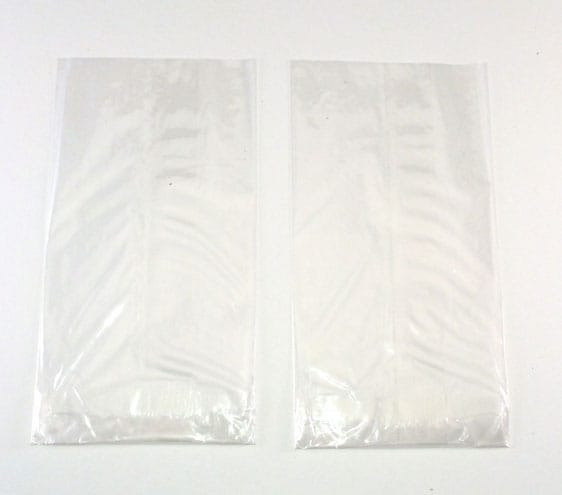
Flat cellophane bags are the standard format for card sleeving, small gift packaging and lightweight product presentation. They have a simple open top that can be folded, tied or sealed. Suitable for greeting cards, art prints, small craft items and light food products.
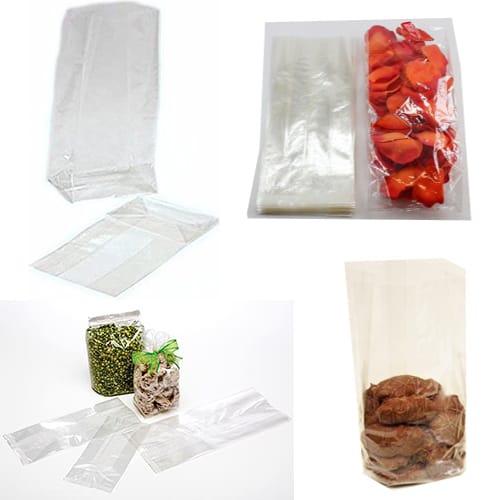
Gusseted cellophane bags have an expandable base that allows the bag to stand upright and hold items with height or irregular shapes. They are suited to gift presentation, potted plants and seedlings, baked goods, bottles and products that need to sit without toppling. The gusset expands to accommodate the contents without the bag looking overfull or stretched.
Coloured cellophane sheets and bags are used in classrooms and craft settings for art projects, stained glass window effects, colour theory activities and decorative displays. The assorted coloured cellophane sheets pack gives teachers and craft coordinators a range of colours ready to use without sourcing multiple individual products.
Sealing options
Cellulose cellophane bags can be finished and closed in several ways depending on the application and the level of security needed:
Twist ties and ribbon are the most common closure method for gift presentation and community event packaging. They are quick to apply, easy to remove and allow the bag to be reused if the contents are intact.
Hemp cord and natural twine give a more textured, natural finish that suits eco-branded packaging and market stall presentation. Buyecogreen stocks coloured hemp cord in a range of Azo-free dyed options that pair well with clear cellophane bags for a consistent natural look.
Heat sealing provides a tamper-evident, airtight closure suited to food products, baked goods and any application where the seal needs to hold securely in transit or on display. Standard heat sealers used for plastic bags will also work on cellulose cellophane.
Self-adhesive closure is available on some bag formats and allows the bag to be sealed by folding and pressing without any additional materials. Useful for high-volume packaging tasks where speed matters.
Who orders from this category
Schools and education departments use cellophane bags for student take-home kits, classroom craft projects, art room supply distribution and end-of-year or end-of-term gift presentation. The flat bag range suits card and print sleeving; gusseted bags suit plant and seedling packaging for school sustainability programs.
Councils and government organisations running community events, sustainability programs and local markets use cellophane bags to package seedlings, handmade goods, information packs and event merchandise in a format that is consistent with environmental programs and communication.
Not-for-profit organisations and community groups use biodegradable cellophane bags for fundraising product packaging, gift drives, market stall presentation and community celebration materials. Having a plastic-free bag option that is also visually professional matters when the organisation’s credibility is built on environmental responsibility.
Eco-focused retailers and gift businesses use genuine cellulose cellophane as a BOPP plastic replacement across their product packaging. Businesses that communicate a plastic-free or low-waste position to their customers need packaging materials that actually back that claim. BOPP is not an appropriate choice for those businesses regardless of how it is labelled by the supplier.
Childcare centres and early learning providers use cellophane bags in art and craft programs, particularly alongside the coloured cellophane sheet range for sensory and light-based activities.
Build a complete eco packaging setup
Cellophane bags work as part of a wider set of plastic-free packaging and presentation materials. Buyecogreen stocks everything needed to build a consistent eco gift and product packaging setup from a single supplier:
- Cellophane Bags and Sheets for the full range of flat, gusseted and sheet formats across all available sizes
- Coloured Cellophane Sheets (Pack of 25) for classroom art projects and colour-specific presentation uses
- Cords and Twines for hemp cord in Azo-free colours to tie and finish cellophane-wrapped gifts
- Twine, Raffia and Swing Tags for natural finishing materials and recycled swing tags to label packaged items
- Tissue Paper for layering inside bags before items go in, adding padding and a clean presentation base
- Cotton and Jute Gift Bags as a reusable alternative to cellophane bags for gift applications where the bag itself is part of the present
- Recycled Gift Boxes for a structured box presentation rather than a bag format
- Jute or Burlap Ribbon for a wider natural ribbon to tie and bow around cellophane-wrapped gifts
- Biodegradable Sticky Tape to seal wrapped items without introducing plastic tape into an otherwise plastic-free setup
Frequently asked questions
Are these bags actually biodegradable?
Yes. Buyecogreen’s cellophane bags are made from genuine cellulose cellophane derived from plant-based materials. They are biodegradable and compostable. They are not BOPP plastic, which is the petroleum-based film that most suppliers in Australia refer to as cellophane despite it not being genuinely plant-based or biodegradable.
How can I tell the difference between real cellophane and BOPP plastic? The tear test is the simplest method. Genuine cellulose cellophane tears cleanly like paper. BOPP plastic stretches before it tears. If a bag you have stretches significantly before tearing, it is a plastic film, not genuine cellophane. Many suppliers label BOPP bags as cellophane or cello bags. Always check the material specification before ordering if biodegradability matters for your procurement.
Can these bags be heat sealed? Yes. Cellulose cellophane bags can be heat sealed using a standard heat sealer. This provides a tamper-evident, airtight closure suitable for food products, baked goods and any application requiring a secure seal.
Are they food safe?
Yes. Cellulose cellophane is food safe and has been used in food packaging for over a century. It is appropriate for baked goods, confectionery, dry food products and similar applications.
What sizes are available?
Buyecogreen stocks cellophane bags in a range of flat and gusseted formats across multiple sizes. Visit the Cellophane Bags and Sheets category to see the full range with dimensions listed on each product page.
Can we order in bulk for an organisation or event?
Yes. Buyecogreen supplies schools, councils, government organisations, retailers and community groups across Australia. Contact the team to discuss volume requirements for large events, ongoing supply or institutional procurement.