Introduction
Gift-giving is one of life’s joys—a heartfelt expression of love, appreciation, and celebration. However, a hidden cost often gets overlooked: the environmental impact of gift wrap. While wrapping paper adds beauty to a gift, it can also add significant waste to our planet. The good news? Not all wrapping paper is destined for the landfill. In this comprehensive guide, BuyEcoGreen breaks down everything you need to know about wrapping paper, recycling, and making more sustainable choices.
Why Wrapping Paper is a Problem?
Let’s start with the basics. Wrapping paper is typically used once and then discarded. In the holiday season alone, millions of tonnes of wrapping paper are thrown away globally. Some of it is recyclable, but much of it is not.
Here’s why:
- Coated papers: Many wrapping papers contain plastic or foil coatings that standard recycling facilities can’t process.
- Additives: Glitter, metallic inks, plastic tapes, and bows often make wrapping paper unrecyclable.
- Low-quality fibres: Some gift wraps are made with low-grade fibres that aren’t strong enough to be recycled.
The result? Beautiful, decorative paper that clogs up recycling systems or ends up in a landfill.
How do you tell if wrapping paper is recyclable?
One easy way to tell if your wrapping paper is recyclable is to perform the “scrunch test.” Crumple a piece of paper into a ball.
- If it stays crumpled, it’s likely recyclable.
- If it springs back into shape, it’s probably coated in plastic and should be kept out of the recycling bin.
Other signs that wrapping paper is not recyclable include:
- A shiny or metallic finish
- The presence of glitter or embossing
- A waxy or laminated texture
Always remove sticky tape, ribbons, and other non-paper decorations before recycling, as these materials contaminate the recycling process.
Sustainable Alternatives to Conventional Wrapping Paper
BuyEcoGreen encourages the use of earth-friendly alternatives to traditional wrapping paper. Here are some great options:
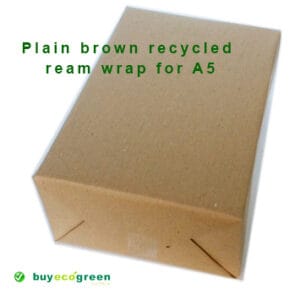
A plain brown paper roll may seem simple, but it’s fully recyclable, reusable, and compostable. For a personal touch, decorate it with natural twine, dried flowers, or stamps.
Repurposing old newspapers or magazines is a great zero-waste approach. They’re readily available and give gifts a vintage, artistic flair.
This Japanese tradition uses reusable fabric to wrap gifts. Scarves, tea towels, or cloth napkins can all be used in stylish and sustainable ways.
Fabric gift bags or sturdy gift boxes can be reused for years, reducing the need for new wrapping materials.
Seeded paper wraps look beautiful and can be planted after use, turning into herbs, flowers, or native plants—literally a gift that keeps giving.
Why It Matters: The Environmental Impact
Every bit of waste we reduce adds up. Consider the resources that go into manufacturing traditional wrapping paper:
- Water and energy: Producing virgin paper takes significant water and energy.
- Chemical usage: Bleaches, dyes, and coatings contribute to pollution.
- Deforestation: Wrapping paper that doesn’t come from recycled or responsibly managed sources contributes to the loss of natural forests.
When multiplied across millions of gifts, the environmental toll becomes alarming. Sustainable gift wrap is not just about aesthetics—it’s a commitment to protecting our planet.
How to Start Wrapping Sustainably?
Start by saving gift wrap, tissue paper, and ribbons from past holidays or birthdays. Even crumpled paper can be smoothed out and reused creatively.
Choose wrapping supplies made from recycled or FSC-certified paper. Avoid anything with foil, glitter, or plastic elements.
Opt for biodegradable tape or use string instead of plastic tape. Pair it with paper tags or even leaves as name tags.
Designate a drawer or box at home for reusable ribbons, paper, fabric squares, and boxes. This way, you’ll always have eco-friendly wrapping options ready to go.
Gift wrapping can be a conversation starter. Let your friends and family know you’ve chosen sustainable wrapping—and why it matters.
The Role of Businesses in Reducing Waste
Businesses play a critical role in the shift toward sustainable packaging. BuyEcoGreen leads by example, offering a wide range of eco-conscious products including recycled paper, biodegradable packaging, and seed paper gift tags.
Here’s how other businesses can help:
- Switch to recyclable or compostable packaging
- Educate customers about disposal and recycling.
- Use minimal packaging without sacrificing aesthetics.
- Support local and sustainable suppliers.
When businesses act responsibly, it creates a ripple effect that influences customers and other companies.
What to Avoid When Wrapping Gifts
Not all wrapping is created equal. Here are some common materials to avoid if you’re aiming for sustainability:
- Mylar or foil wrapping paper
- Glittery or laminated paper
- Plastic gift wrap
- Synthetic ribbons and bows
- Cellophane that isn’t marked as compostable
These materials are either non-recyclable or difficult to process in standard recycling systems, meaning they’re likely to end up as waste.
How to Recycle Wrapping Paper Properly?
Even when using recyclable paper, proper disposal is essential:
- Remove all tape, ribbons, and embellishments.
- Flatten the paper to save space in the recycling bin.
- Check your local council’s recycling guidelines—rules can vary by location.
- Compost plain kraft or tissue paper if it’s free from dye or glitter.
Switching to sustainable gift wrap may seem small, but the environmental benefits are enormous when thousands of people make the change. At BuyEcoGreen, we believe in conscious consumer choices that help build a healthier planet.
Whether you’re wrapping a birthday present, a holiday gift, or a simple “thinking of you” token, remember: your wrapping matters. Choose recyclable, reusable, or compostable options—and encourage others to do the same. A beautifully wrapped gift can still be kind to the Earth.
FAQ
1. Can all wrapping paper be recycled?
No. Only wrapping paper made from paper (without plastic, foil, or glitter) is recyclable. If it passes the “scrunch test” and doesn’t bounce back, it’s likely recyclable.
2. What is the scrunch test for wrapping paper?
Crumple the paper into a ball. If it stays scrunched, it can likely be recycled. If it unfolds or feels plastic-coated, it should be kept out of recycling.
3. Is glittery or foil wrapping paper recyclable?
No. Most recycling facilities cannot process glitter, foil, and metallic finishes and should be avoided or reused.
4. Can I compost wrapping paper?
Plain kraft paper, newspaper, and unbleached, undyed wrapping paper can usually be composted, but anything with ink, plastic, or coating should not go in the compost bin.
5. What’s the best eco-friendly wrapping option?
Some of the most sustainable choices are reusable fabric wraps (like furoshiki), recycled kraft paper, and seed paper from BuyEcoGreen.
6. Can I recycle wrapping paper with sticky tape on it?
Tape must be removed before recycling. Sticky tape is made from plastic and can contaminate the recycling process if left on the paper.
7. What should I do with non-recyclable gift wrap?
Reuse it for future gifts or crafts. If it’s coated, glittery, or metallic and can’t be reused, it must go in general waste.
8. Does tissue paper go in the recycling bin?
Usually, no. Tissue paper is often made from low-quality fibres that are not recyclable. If it’s clean and uncoated, however, it can be composted.
9. How can I wrap gifts sustainably without buying new materials?
Use what you already have—magazines, newspapers, brown paper bags, fabric, or old maps. Decorate with natural twine, leaves, or dried flowers.
10. Where can I find sustainable wrapping products in Australia?
BuyEcoGreen offers a wide range of recycled, compostable, and reusable wrapping options for conscious gift-givers and businesses.
11. How to gift wrap sustainably?
To gift wrap sustainably, use recycled kraft paper, newspaper, or fabric wrap like Furoshiki cloth. Avoid glossy or plastic-coated wraps. Choose materials that can be reused or composted to reduce waste.
12. What is an alternative to gift wrapping?
Creative alternatives include reusable fabric bags, mason jars, baskets, or scarves. These options eliminate single-use paper and add a unique personal touch to your gift.
13. What is an eco-friendly alternative to ribbons?
Swap plastic ribbons with biodegradable twine, jute, raffia, or fabric strips. These natural materials are compostable and pair beautifully with recycled paper for a rustic, sustainable finish.
14. What is the most eco-friendly wrapping paper?
The most eco-friendly wrapping paper is made from 100% recycled materials, is unbleached, and contains no plastic coatings or metallic finishes. Brown kraft paper is a popular and sustainable choice.
15. Can wrapping paper be recycled?
Most commercial wrapping papers cannot be recycled due to glitter, plastic, or foil coatings. However, plain kraft paper or uncoated recycled wrapping paper is fully recyclable and compostable.
16. How can I decorate a gift sustainably?
Use natural materials like dried orange slices, pine sprigs, cinnamon sticks, or recycled paper tags. These add charm and are compostable, unlike synthetic decorations.
17. Is brown kraft paper good for wrapping gifts?
Yes, brown kraft paper is durable, versatile, and eco-friendly. It offers a rustic, minimalist look and can be customized with stamps, drawings, or eco-twine for a beautiful sustainable gift wrap.
18. What is Furoshiki gift wrapping?
Furoshiki is a traditional Japanese wrapping technique using cloth instead of paper. It’s reusable, stylish, and eliminates waste — making it an ideal sustainable gift-wrapping method.