Sustainable wrapping paper and greeting cards offer a simple way to cut waste without losing the joy of gift-giving. Australians are shifting towards eco-friendly wrapping paper, recyclable wrapping paper, recycled greeting cards and sustainable stationery because they want thoughtful gifting that also respects the environment. This guide brings together practical ideas, material insights and precise answers to common questions people search for when choosing better paper products.
Why sustainable gift wrap matters
Traditional wrapping paper often contains coatings, plastics, glitter and dyes that make it difficult to recycle. Greeting cards face similar issues. When these materials are thrown out, they end up in landfills and increase demand for new paper production. Sustainable options solve this by using recycled fibres, clean inks, compostable materials and reusable formats. For everyday shoppers, these alternatives are easier than ever to find and create a meaningful reduction in environmental impact.
How much waste is created from wrapping paper and greeting cards?
A large amount of waste comes from wrapping paper and greeting cards each year, especially during holidays. The core issue is that much of this paper can’t be recycled because it includes laminates, foils or glitter. In simple terms, millions of tonnes of festive waste end up in landfill globally because the majority of commercial gift wrap isn’t recyclable. While numbers vary by country and season, the pattern is consistent—high consumption, low recyclability, and large volumes discarded within days. Choosing eco-friendly wrapping paper and recycled greeting cards significantly reduces this waste, as these products are designed to return safely to the recycling stream.
What makes wrapping paper sustainable?
Sustainable wrapping paper is defined by the materials it uses and how it behaves at the end of its life. Key features include:
- Recycled content— paper made from post-consumer waste uses fewer resources.
- Compostable or recyclable fibres— no glitter, plastic coatings or metallic films.
- Non-toxic inks— soy-based or water-based inks avoid harmful chemicals.
- Minimal or no added finishes— simple textures and natural colours keep it recyclable.
- Durability for reuse— strong kraft paper or fabric wraps can be used multiple times.
BuyEcoGreen’s range follows these principles by using responsible fibres and clean production methods, supporting a full circular lifecycle.
Is wrapping paper recyclable?
Wrapping paper is recyclable only when it contains plain paper fibres without plastic films, foil details or glitter. Most supermarket gift wrap includes at least one of these non-recyclable additives, so it must be thrown out. Recyclable wrapping paper is usually matte, uncoated and tears easily without stretching. If the paper has a texture similar to newspaper or kraft, it’s generally suitable for the recycling bin. Eco-friendly wrapping paper is made from pure fibres, so it can be recycled or composted, making it a more responsible choice for regular gifting.
Eco-friendly greeting cards and why they matter
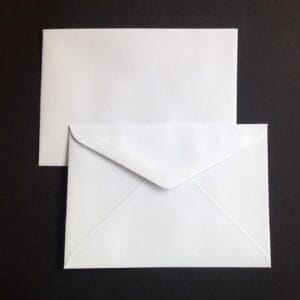
Greeting cards made from recycled materials or FSC-certified fibres offer a better environmental profile and still carry the warmth of a handwritten message. Simple, uncoated cards can be recycled with standard paper streams. Cards with glitter, plastic decorations, metallic ink, or glued-on embellishments cannot. Sustainable cards also use natural dyes and may include envelopes from recycled sources. Choosing eco-friendly greeting cards ensures both the message and the material align with your values.
What are the benefits of eco-friendly wrapping paper and reusable gift wrap?
Eco-friendly wrapping paper and reusable gift wrap offer clear benefits: they reduce landfill waste, conserve resources, and support circular material flows while still looking creative and thoughtful. These products use recycled fibres, natural inks and reusable fabrics that maintain quality across multiple uses. By avoiding plastics and coatings, they simplify disposal and encourage better recycling behaviour. Beyond environmental gains, they also inspire more mindful gifting and often offer a more unique, natural look than commercial glossy wraps.
Reusable wrapping options
Reusable wrapping is growing quickly in Australia thanks to its practicality and beauty. Popular choices include:
- Fabric wrapsinspired by Japanese furoshiki.
- Scarves, tea towels or cloth napkinsthat double as a bonus gift.
- Reusable kraft bagsthat can be personalised each year.
- Old maps, calendars and newspapersrepurposed into creative wrap.
These options reduce waste, cost less over time and allow the giver to create memorable presentations.
Styles of sustainable wrapping
Creating attractive gifts without damaging the environment is simple. Try:
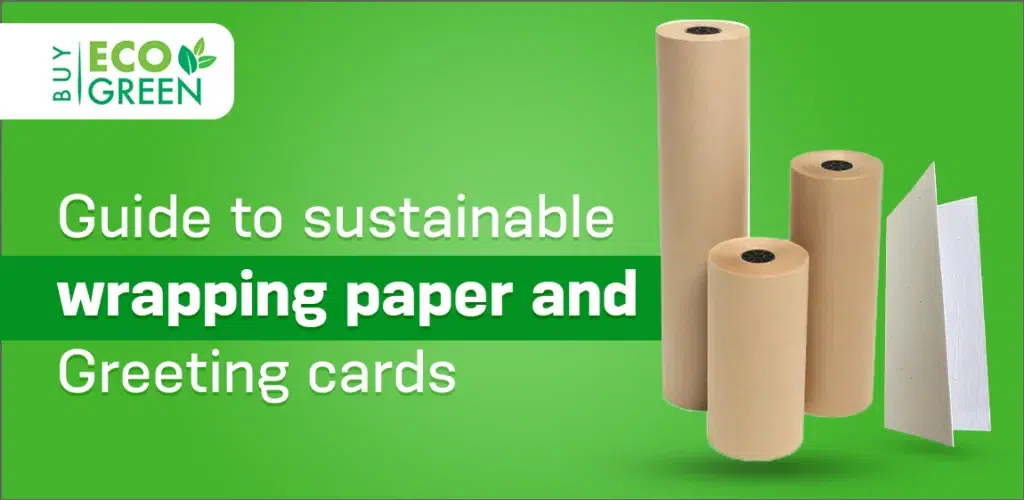
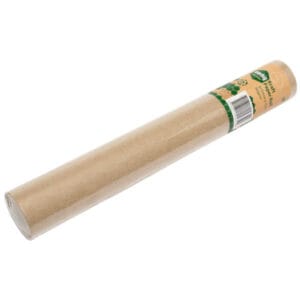
- Kraft paper rollwith natural twine and a sprig of rosemary.
- Recycled brown paperdecorated with stamps or hand-drawn patterns.
- Two-tone paper foldsfor layered effects without coatings.
- Cut-outs from recycled greeting cardsare used as tags.
Because sustainable paper is often stronger than lightweight commercial wrap, it folds neatly and reduces tearing during wrapping.
Sustainable greeting card ideas
You can enhance your eco-friendly stationery choices with:
- Cards printed on post-consumer recycled stock.
- Seed paper cardsthat grow herbs or flowers.
- Simple designs that avoid heavy inks and shiny finishes.
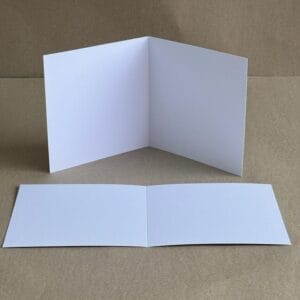
- Cards with blank interiorsthat encourage genuine messages over pre-printed lines.
The best part is that sustainable cards often feel more personal and tactile, adding warmth to the gesture.
Tips for reducing waste during celebrations
A few small changes make a big difference:
- Keep a box for reusable ribbons, bags and paper.
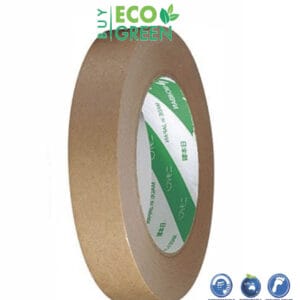
- Choose recyclable tape alternatives, such as paper tape.
- Reduce the number of single-use gift embellishments.
- Encourage family members to recycle or reuse wrapping paper after unwrapping.
- Select sustainable stationeryfor cards, tags and notes.
Bringing it all together
Choosing eco-friendly paper products simplifies waste reduction across birthdays, Christmas and everyday gifting. These materials are designed with a complete lifecycle in mind, from responsible sourcing to minimal-impact disposal. With more recyclable wrapping paper, reusable options and recycled greeting cards available in Australia, shifting to sustainable habits is easier than ever.
FAQ
1. What makes wrapping paper eco-friendly?
Eco-friendly wrapping paper is made from recyclable or recycled fibres without plastic coatings, glitter or metallic finishes. These clean materials allow the paper to return to the recycling stream or break down naturally. Most sustainable wrapping papers also use water-based or soy inks, avoid lamination and are packaged with minimal waste, making them a responsible choice for everyday and seasonal gifting.
2. Can greeting cards with glitter be recycled?
Greeting cards with glitter cannot be recycled because the small plastic particles contaminate the paper stream. Recycling facilities require clean fibres free from foil, glitter, adhesive embellishments and synthetic coatings. If you want a recyclable option, choose simple cards printed on plain or recycled stock. Eco-friendly greeting cards often highlight their recyclability on the packaging or back panel.
3. What is the best alternative to traditional gift wrap?
The best alternative to traditional gift wrap is reusable fabric or uncoated kraft paper. Fabric wraps can be used repeatedly, while kraft paper is durable, recyclable and easy to decorate with twine or natural items. Other creative options include old maps, newspapers, calendar pages or reusable gift bags, which reduce waste while still creating a thoughtful presentation.
4. Are recycled greeting cards as durable as new ones?
Recycled greeting cards are just as durable as cards made from new paper because modern recycling processes produce strong, clean fibres. Many recycled cards feel thicker and more textured, giving them a handmade quality. They also use fewer resources during production, making them an environmentally sound alternative without compromising appearance or durability.
5. How do I know if wrapping paper can be recycled?
You can tell wrapping paper is recyclable if it tears easily and doesn’t contain glitter, foil or plastic coatings. A quick tear test helps: if the paper stretches instead of tearing cleanly, there’s usually plastic in the material. Recyclable wrapping paper is typically matte, uncoated and similar in texture to newspaper or kraft. When in doubt, remove the sticky tape and reuse the paper.