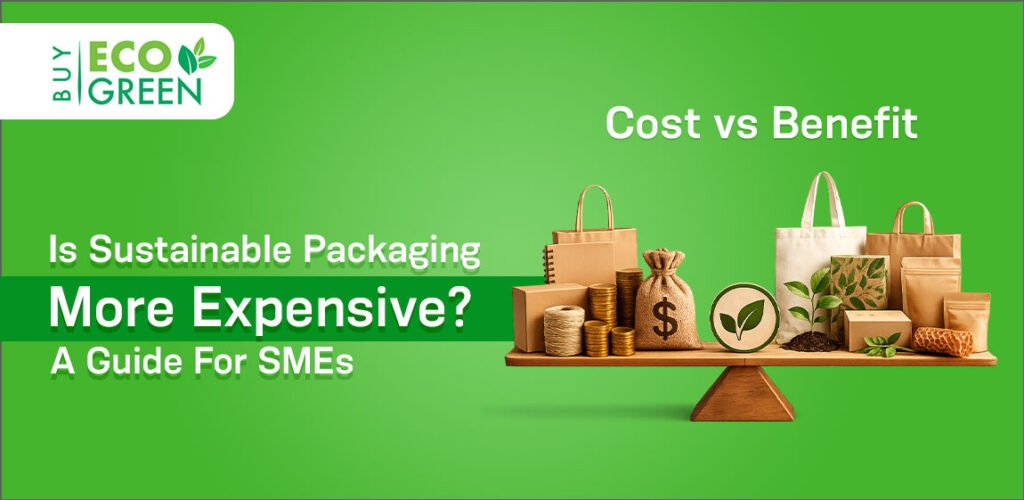
For Australian small and medium enterprises, the move to eco-friendly packaging often starts with a simple question: Will it cost more? It is a fair concern. Margins are tight, customer expectations are rising, and procurement decisions need to stack up commercially and environmentally. The honest answer involves more than a single price tag. Sustainable packaging carries a different cost structure to conventional plastic, and once the full picture is on the table, many SMEs find the gap is smaller than expected. In some cases, the long-term savings actually tip the balance the other way.
This guide walks through the real cost question, the hidden expenses many businesses overlook, and how Australian SMEs can build affordable, sustainable packaging into their operations without straining the bottom line.
Why Cost Sits at the Centre of the Decision
Packaging is rarely a small line item. For retailers, e-commerce sellers, food service operators, and product-based SMEs, packaging directly affects shipping costs, brand presentation, and customer experience. Adding sustainability to the mix can feel like a complication, especially when traditional plastics still appear cheaper at face value.
The reality on the ground has shifted, though. Australian state governments have rolled out single-use plastic bans across hospitality, retail, and events. Customers now actively check packaging materials before buying. Wholesalers, larger suppliers, and supermarket chains are tightening their environmental procurement standards. For SMEs, the question is no longer whether to switch, but how to do it without hurting profitability.
The Honest Answer on Sustainable Packaging Cost
At face value, environmentally friendly packaging for SMEs sometimes carries a higher unit price than petroleum-based alternatives. The difference depends on the product, volume, and material. Recycled kraft mailers, compostable food containers, and biodegradable wrap can cost slightly more than their plastic equivalents per unit, particularly at lower order volumes.
That said, the gap has narrowed significantly over the past few years. Increased manufacturer competition, better recycling infrastructure, and rising plastic input costs have all pushed the numbers closer together. Bulk procurement further closes the remaining gap, which is why most SMEs are advised to plan annual or quarterly orders rather than ad hoc purchases.
The Hidden Costs of Conventional Packaging
Looking only at the unit price misses where conventional packaging actually costs SMEs money. Some of the costs that rarely make it onto a procurement spreadsheet:
Waste disposal and landfill levies. Most Australian states charge landfill levies that are reflected in commercial waste collection invoices. The more conventional packaging a business consumes, the more it pays out the back door.
Compliance risk. Single-use plastic bans, mandatory product stewardship requirements, and labelling rules are all tightening. SMEs that delay the switch often end up paying rushed prices to comply once enforcement dates arrive.
Customer churn. A growing share of Australian consumers say they will switch brands over packaging choices. Lost repeat purchases are a real cost, even though they rarely show up directly in the books.
Reputational drag. For B2B sellers, especially those supplying schools, councils, government departments, or larger corporates, visibly unsustainable packaging can quietly disqualify a business from preferred-supplier lists.
Once these costs are added back in, the comparison between eco-friendly packaging and plastic looks very different.
Where Sustainable Packaging Actually Saves Money
Beyond avoiding hidden costs, eco-friendly packaging often delivers active savings when chosen well:
- Lighter recycled paper and kraft materials reduce shipping weight, lowering freight costs year-round.
- Right-sized packaging cuts both material use and dimensional weight charges from couriers.
- Recycled and biodegradable options often qualify for green procurement programs and supplier panels that conventional packaging does not.
- Certified compostable and recyclable formats can reduce contamination fees on commercial waste streams.
- Strong eco-credentials open doors to tenders and contracts that increasingly require evidence of sustainable sourcing.
For an SME shipping a few thousand units a month, even small per-unit savings in freight and waste add up quickly over the year.
Affordable Sustainable Packaging Categories for SMEs
The good news is that affordable, sustainable packaging has matured into a wide range of practical formats suited to small and medium businesses.
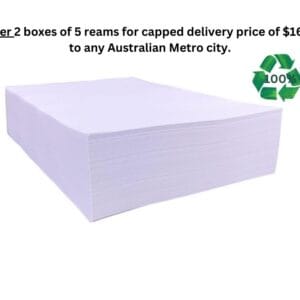
Recycled kraft paper rolls and sheets. A flexible, low-cost option for protective wrapping, void fill, and presentation packaging. Works for retail, e-commerce, and gift packaging.
Tissue paper made from recycled content. Adds a premium feel to retail and online orders without the environmental cost of virgin paper.
Recycled paper carriers and bags. Strong, brandable, and recyclable. Suit retail, food service, and event applications.
Biodegradable and compostable wrap. Useful for fresh produce, hampers, and gift packaging where conventional plastic film would otherwise be the default choice.
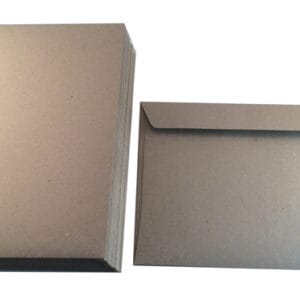
Recycled cardboard mailers and shipping boxes. A practical pick for online sellers wanting to align packaging with their broader sustainability story.
Eco-friendly tape, labels, and fillers. Often overlooked, but critical for keeping the entire package genuinely recyclable rather than partly contaminated by mixed materials.
Matching these formats to the actual product, channel, and customer expectation is what unlocks the cost benefit.
Eco-Friendly Packaging Benefits vs Cost: The Wider View
The eco-friendly packaging benefits-versus-cost conversation rarely lands in conventional packaging’s favour once SMEs look beyond the unit price. Sustainable packaging carries:
- Stronger brand alignment with customer values
- Better fit with rising regulatory expectations
- Reduced exposure to plastic price volatility tied to oil markets
- A clearer story for marketing, retail listings, and B2B tenders
- Real environmental outcomes that staff, suppliers, and customers can see
These are commercial benefits, not just feel-good additions. They protect revenue, support growth, and reduce risk in ways conventional packaging simply cannot.
Practical Steps SMEs Can Take Now
A staged transition is usually more affordable than a full overnight switch. A simple roadmap:
- Audit current packaging. List every format, supplier, and approximate annual spend.
- Identify quick wins. Items like tissue paper, kraft wrap, and paper carriers often switch easily without re-engineering products.
- Plan for bulk orders. Annual or quarterly buying significantly reduces per-unit cost on recycled and biodegradable products.
- Talk to your supplier. A specialist sustainable packaging partner can recommend formats sized correctly for your products and channel.
- Communicate the change. Customers reward businesses that openly share their sustainability progress.
This phased approach keeps cash flow steady while building real environmental credentials.
Backing the Transition with the Right Supply Partner
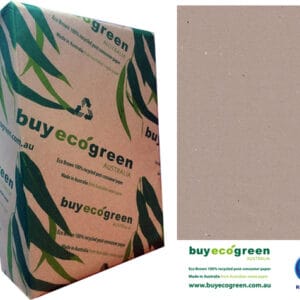
Buyecogreen supports Australian SMEs, schools, councils, and community groups with a curated range of recycled, biodegradable, and compostable packaging products built for everyday business use. Bulk ordering, reliable lead times, and a focus on genuinely sustainable materials make it simpler for procurement teams to adopt eco-friendly packaging without unpredictable cost shocks.
The honest answer to the headline question is this: sustainable packaging can carry a slightly higher upfront cost in some categories, but once hidden expenses, freight efficiencies, customer expectations, and regulatory direction are factored in, it is rarely the more expensive option for SMEs that plan well. Treated as a long-term commercial decision rather than a short-term spend, it stacks up across both the balance sheet and the brand.
Frequently Asked Questions
Is sustainable packaging really more expensive for SMEs than plastic alternatives?
At face value, some recycled and compostable formats carry a slightly higher unit price than petroleum-based plastic. Once landfill levies, freight efficiencies, compliance costs, and customer retention are factored in, the gap usually narrows or disappears. Bulk ordering closes most of the remaining difference for small and medium businesses.
What is the most affordable sustainable packaging option for an SME just starting out
Recycled kraft paper rolls and tissue paper made from recycled content are among the easiest entry points. They suit retail, e-commerce, and gift packaging without requiring product redesign. Combined with recycled paper carriers, they cover most everyday business packaging needs at a manageable cost.
How can SMEs reduce the cost of switching to eco-friendly packaging?
Plan annual or quarterly bulk orders rather than buying ad-hoc. Audit current packaging to identify quick-win swaps and avoid over-specifying materials for the job. Working with a specialist sustainable packaging supplier helps right-size formats and lock in reliable pricing across the year.
Does eco-friendly packaging affect shipping and freight costs?
Yes, often in a positive way. Lighter recycled paper and right-sized cardboard mailers reduce shipping weight and dimensional weight charges. Across thousands of units a year, those savings can offset or exceed any higher unit cost on the packaging itself.
Will switching to sustainable packaging help SMEs win more business?
Increasingly, yes. Many councils, schools, government departments, and larger corporates now require evidence of sustainable sourcing from their suppliers. SMEs using recycled and biodegradable packaging are better placed for tenders, preferred-supplier panels, and customers who actively choose brands with credible environmental practices.