Selecting the correct small envelopes matters whether you’re posting invites, mailing documents, or organising letters. The right envelope protects contents, looks professional, and keeps postage costs in check. At Buyecogreen, we know that efficient stationery solutions save time, add polish, and support your eco‑friendly values.
This guide outlines key factors when choosing small envelopes—size, style, material, and sustainability. Drawing on top‑ranking competitors’ advice—covering matching inserts, postal rules, aesthetic vs function, and eco‑options—we offer practical steps to help you buy small envelopes online that suit your home or office needs.
Understanding Envelope Basics & Sizes
Before choosing, it’s worth understanding what envelopes are—beyond just paper sleeves.
What is the meaning of envelope?
An envelope is a flat, folded paper cover used to enclose letters, documents, or small items for mailing or storing. Envelopes can vary in size, material, and closure type, depending on the purpose they serve.
Envelopes are categorised by size and purpose. Common types of small envelopes include:
- C6 envelopes – suitable for A6 cards or folded A5 paper
- DL envelopes – fit an A4 sheet folded into thirds; widely used for office correspondence
- C7 and C8 – smaller sizes used for gift cards, RSVP notes, or labelling
The choice of envelope depends on what you’re enclosing, whether it’s a personal message or official paperwork. For stationery for home office use, sticking to standard formats like DL and C6 ensures compatibility with most printers and mailing systems.
Choosing Small Envelopes Based on Use – Home vs Office
The way you use envelopes at home differs from how they’re used in the office. At home, small envelopes often support personal tasks—sending greeting cards, labelling items, storing receipts, or organising bills. Look for envelopes that match standard card sizes or that suit multipurpose use.
In the workplace, envelopes are often needed for invoices, appointment letters, internal memos, or marketing materials. For small envelopes for office use, choose formats compatible with folding machines, address labels, and postage standards. DL envelopes with windows are ideal for invoices and statements, while C6 envelopes are better for appointment reminders or promotional offers.
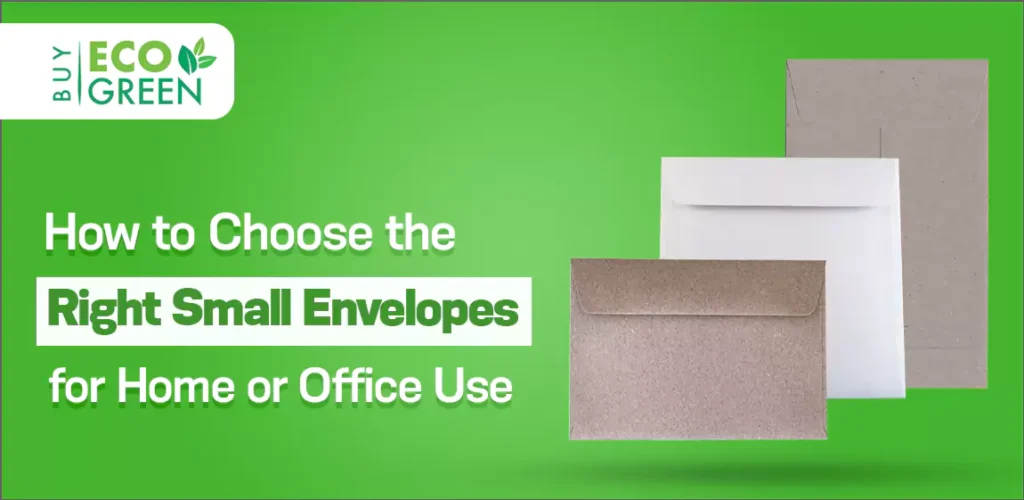
Material and colour also matter. White or kraft brown envelopes signal professionalism, while coloured or textured paper adds personality—great for branding or creative offices.
Does it matter what kind of envelope I use?
Yes, envelope type affects presentation, fit, postage, and even first impressions. Choosing the right envelope ensures your mail arrives undamaged, looks appropriate, and reflects the purpose—whether personal or professional.
How to Choose the Right Envelope for Every Occasion
Whether you’re sending a wedding invite or issuing a tax notice, matching your envelope to the occasion enhances both function and appearance.
How to choose the right envelope for every occasion?
Start by considering the contents—size, thickness, and sensitivity. Then choose an envelope that fits comfortably, aligns with the formality of the occasion, and meets postage requirements.
For personal use, such as birthdays or thank-you notes, coloured or textured envelopes in C6 or C7 sizes add charm. For professional mail, stick to neutral-toned DL envelopes for a clean, formal look. Business documents may benefit from envelopes with security tint or internal glue seals to protect privacy.
Weddings or event invitations often use square or foil-lined envelopes for visual impact, while daily office tasks call for standardised sizes compatible with folding and addressing tools.
Avoid forcing materials into envelopes that are too tight—it can lead to tears, bulging, or extra postage costs. Choosing the right fit creates a neater presentation and better delivery outcomes.
Eco-Friendly Envelope Options That Don’t Compromise Quality
At Buyecogreen, sustainability is central to every product we offer—including envelopes. We source and supply a wide range of eco-friendly small envelopes designed for both home and office use. These are made using post-consumer recycled content, chlorine-free paper, and biodegradable adhesives.
Are there eco-friendly envelope options?
Yes, many envelopes are now made from recycled materials or paper certified by sustainable forestry practices. These options reduce waste, support cleaner production, and still meet everyday mailing needs.
Eco-friendly envelopes perform just as well as conventional options. They’re suitable for printers, have strong adhesive seals, and come in various sizes, including DL, C6, and C7. Kraft paper envelopes are especially popular due to their natural look and compostable qualities.
Whether you’re running a sustainable home office or trying to minimise waste in business correspondence, there’s no reason to compromise. Buying from responsible suppliers like Buyecogreen helps reduce your carbon footprint while maintaining practical function and professional appearance.
Buy Small Envelopes Online – What to Look For
Shopping for envelopes online offers convenience, but it also requires knowing what to look for. Always check product dimensions, paper thickness (GSM), seal type, and intended usage before buying.
At Buyecogreen, our range of small envelopes is categorised by size, material, and purpose—making it easy to choose what suits your needs, whether for office supplies or home storage. DL and C6 are the most versatile options, while mini sizes like C7 are better for cards and tags.
Prioritise envelopes that list their environmental credentials—look for terms like “100% recycled,” “FSC certified,” or “acid-free.” Also, consider how the envelopes are packaged; many of our products come in plastic-free, recyclable boxes to align with home or office sustainability efforts.
Best envelopes for home use
Choose versatile sizes like C6 or C7 in recycled paper for tasks like cards, receipts, or filing. These are compact, eco-friendly, and compatible with household printers and labels.
Conclusion: A Better Envelope Means Better Organisation
Whether you’re mailing invoices, organising your workspace, or sending personal notes, choosing the right envelope simplifies the task. From standard DL sizes for business to C7S for gift cards, each type has a clear purpose.
At Buyecogreen, we help Australians make wise, eco-conscious stationery choices without sacrificing performance. Our small envelopes suit a wide range of home and office needs, and all come with precise product details, eco-certifications, and fast delivery across the country.
Buying better envelopes isn’t complicated—just practical. Choose your size, check your material, and shop with sustainability in mind.
Frequently Asked Questions
What is the meaning of envelope?
An envelope is a folded paper cover used to enclose documents or small items for mailing or storage.
What are the most common small envelope sizes?
The most common small envelope sizes include C6 (114 x 162 mm), ideal for A6 cards or folded A5 paper; DL (110 x 220 mm) for standard tri-fold A4 documents; and C7 (81 x 114 mm), which fits gift cards or small notes. These sizes suit both home and office needs, balancing convenience, appearance, and compatibility with printers and postal systems.
Can small envelopes go through regular postage?
Yes, most small envelopes, such as DL and C6 sizes, are suitable for standard postage in Australia. However, envelopes that are unusually small or square may require additional postage or handling. Always check Australia Post’s guidelines on minimum and non-standard sizes to ensure your mail can be delivered without delays or extra charges.
What’s the difference between window and plain envelopes?
Window envelopes have a transparent panel that displays the recipient’s address printed on the document inside—ideal for invoices or formal correspondence. Plain envelopes have no window and offer more flexibility for handwritten or printed addresses. Businesses often use windowed DL envelopes to save time, while home users may prefer plain envelopes for cards or invitations.
How should I store small envelopes at home or in the office?
Store small envelopes in a dry, flat, and dust-free area, away from direct sunlight or humidity. Use a filing tray or stationery drawer to keep sizes separated and ready for use. For office use, label different types (e.g., DL window, C6 plain) for quick access. Proper storage prevents curling, fading, or adhesive deterioration over time.
What is the best envelope size for wedding invitations?
The most popular envelope size for wedding invitations is C5 (162 x 229 mm), which fits A5 cards or multiple enclosures. For square invites, sizes like 160 x 160 mm offer a formal look but may require extra postage. Choose an envelope with a premium finish—like textured or recycled white—to elevate presentation while keeping your invitation protected and elegant.
Can I use a square envelope for a business letter?
While you can use a square envelope for a business letter, it’s not recommended. Square envelopes often require non-standard postage and may appear informal. For professional use, DL envelopes are the industry standard, accommodating A4 sheets folded into thirds. This format fits most windowed designs and is compatible with folding machines, making it ideal for invoices or formal correspondence.
What envelope material is best for formal invitations?
For formal invitations, opt for envelopes made from 120–150 GSM uncoated or textured paper. Materials like linen, recycled kraft, or laid finishes add tactile quality and visual appeal. These are available in popular sizes such as C6, C5, and square formats. High-quality envelope materials also pair well with calligraphy, wax seals, and inserts—ideal for weddings, galas, and corporate events.
What colour envelope should I choose for holiday cards?
Holiday cards pair well with rich, festive envelope colours such as red, deep green, gold, or silver. If you prefer a subtle look, natural kraft or soft white gives a warm, seasonal feel while maintaining postal readability. Choose envelopes that match or complement your card design. Just ensure the colour doesn’t interfere with address legibility or postal barcode placement.