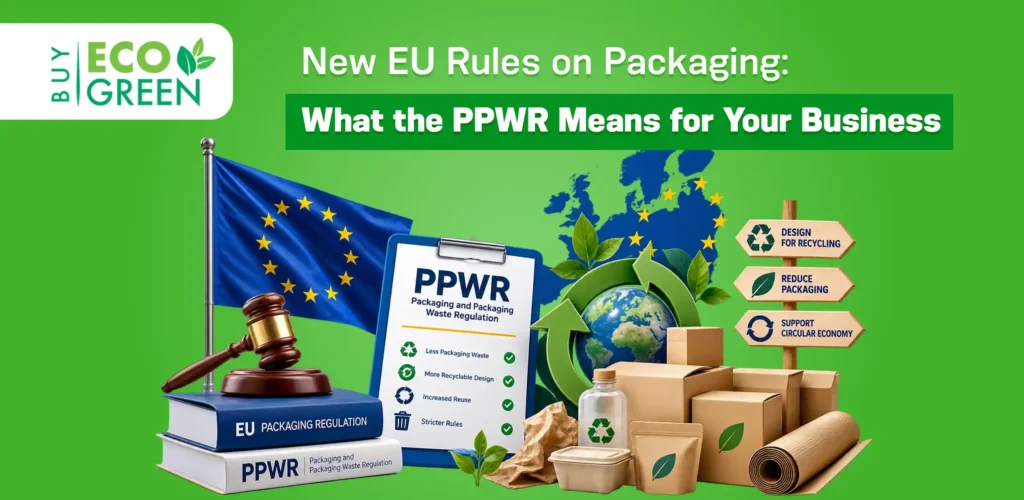
A significant change to packaging law has landed in Europe, and it reaches further than many Australian organisations expect. The PPWR regulation sets one shared rulebook for how packaging is designed, sourced, and recycled across all 27 EU member states, and it applies to any business that places packaging on the EU market, no matter where that business is based.
If your organisation ships products into Europe, or you supply others who do, these rules now shape what your packaging can be made of. Even for businesses that never trade with the EU, the PPWR is a clear signal of where responsible packaging standards are heading, including here in Australia. This guide breaks down what the regulation is, who it affects, and the packaging choices worth making now.
What is the PPWR regulation?
The PPWR is the EU Packaging and Packaging Waste Regulation, officially Regulation (EU) 2025/40. It is a single, EU-wide law that governs the full life of packaging, from the materials it is made of through to how it is labelled, reused, and recycled.
It replaces the older Packaging and Packaging Waste Directive from 1994. The important difference is how each one works. A directive lets every member state interpret the rules in its own way, which meant 27 slightly different systems. The EU packaging and packaging waste regulation applies directly and identically across every member state, so there is one consistent standard instead of many. Its purpose is to cut packaging waste and move the EU towards a circular economy, where packaging is designed to be recycled or reused rather than sent to landfill.
When does the EU packaging regulation start?
The regulation entered into force on 11 February 2025, but the date that matters for most businesses is 12 August 2026, when the bulk of its obligations begin to apply.
The rules roll out in stages rather than all at once. Core obligations start from August 2026, while other requirements phase in over the following years, running through to 2040. From the 2026 start, packaging must be designed to be recyclable, certain substances of concern are restricted, and businesses need supporting documentation. Later stages bring harmonised recycling labels, minimum recycled content targets for plastic packaging, recyclability grading, and limits on empty space in delivery boxes.
Does the PPWR apply to Australian businesses?
Yes, it can. The EU PPWR applies to all packaging placed on the EU market, regardless of where the business sits, so an exporter in Sydney is caught by the same rules as a company in Berlin if its packaging reaches European shelves.
Where the responsibility falls depends on how you sell. Businesses selling direct to EU customers are often treated as the party responsible for that packaging and may need to appoint a local representative in the countries they serve. Businesses selling through an EU-based importer may pass some of that responsibility across. For Australian eco-focused retailers, product makers, and exporters, the practical takeaway is the same. Your packaging materials now need to stand up to a defined standard, so the sooner your supply is aligned, the smoother trade stays.
What the PPWR means for your packaging
This is where the packaging and packaging waste regulation becomes practical, because it changes what your packaging can be and how it is designed. The main themes are:
Recyclability. All packaging placed on the EU market must be designed to be recyclable, with the bar rising over time. Paper-based and recycled-fibre formats are well placed here, which is why many Australian organisations are already reviewing their sustainable packaging solutions against this direction.
Substance restrictions. There are limits on substances of concern, including PFAS in food-contact packaging and heavy metals such as lead and cadmium. Clean, certified materials matter, and compostable formats like certified cellophane bags are a straightforward way to move away from problematic plastics.
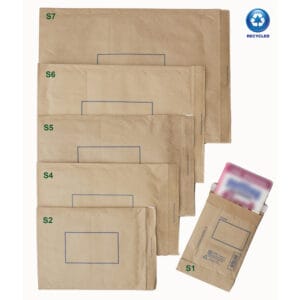
Minimisation. Packaging must be kept to what is genuinely needed, which rules out oversized boxes, false bottoms, and excess empty space. Right-sized protective options such as padded mailers and Greenwrap paper cushioning help protect goods without adding unnecessary material.
Recycled content. Plastic packaging will need to contain minimum levels of recycled material, with targets rising towards 2030 and 2040. Choosing recycled and paper-first formats now, such as recyclable paper bags, reduces how much you will need to rework later.
Labelling. Harmonised labels will show what packaging is made of and how to sort it, applying the same symbols right across the EU.
How Buyecogreen helps you get ahead of the rules
The businesses that find this transition easiest are the ones already sourcing recyclable, recycled-content, and low-impact packaging. That is the core of what Buyecogreen supplies. Our wholesale eco-friendly packaging range is built for institutional and business use, from recycled paper bags and genuine cellophane through to kraft wrap, recycled tissue paper, and padded mailers, all supplied in bulk pack and box quantities.
For procurement and sustainability teams, the value is consistency. You can consolidate ordering with one Australian supplier, keep verifiable material credentials on file for reporting, and switch high-volume lines to responsibly sourced alternatives without adding complexity to your ordering. That groundwork pays off whether you are meeting a European standard or an internal sustainability target.
Why the PPWR matters even if you don’t export
Most Australian schools, councils, and community groups will never place packaging on the EU market, so the letter of the law may not apply to them. The direction of travel, though, is very relevant. Single-use plastic bans are already in place across Australian states, and procurement policies increasingly ask for recycled content and verifiable sourcing.
The PPWR is a preview of where packaging expectations are heading everywhere. Everyday event and fundraising lines are an easy place to start, and switching to formats like recycled gift boxes now means your procurement is future-proofed rather than reworked under pressure later.
Source sustainable packaging built for what’s next
Getting ahead of tightening packaging standards starts with the materials you order. Buyecogreen supplies Australian schools, councils, government departments, not-for-profits, offices, and eco-focused retailers with recyclable and low-impact packaging in the quantities institutional buyers need.
To review your packaging range or set up ongoing wholesale supply, call our team on 1300 663 488 or email info@buyecogreen.com.au. We will help you build an order that keeps your organisation ready for what comes next.
Frequently Asked Questions
What does PPWR stand for?
PPWR stands for the Packaging and Packaging Waste Regulation, officially Regulation (EU) 2025/40. It sets shared rules across all 27 EU member states for how packaging is designed, labelled, and recycled, with most requirements applying from 12 August 2026.
Does the PPWR regulation apply to Australian businesses?
It can. The rules apply to any packaging placed on the EU market, regardless of where the business is based. If your organisation ships products into Europe, your packaging needs to meet the standard, and you may need a local representative in the countries you serve.
When does the EU packaging and packaging waste regulation take effect?
It entered into force on 11 February 2025, with the bulk of obligations applying from 12 August 2026. Further requirements, such as recycled content targets and labelling, phase in over the following years through to 2040.
How is the PPWR different from the old EU packaging directive?
The old directive let each member state interpret the rules its own way, creating 27 variations. The PPWR is a regulation, so it applies directly and identically across all EU countries, with stricter requirements on recyclability, materials, and waste reduction.
How can Buyecogreen help my organisation prepare?
Buyecogreen supplies recyclable, recycled-content, and low-impact packaging in wholesale quantities, suited to institutional and business use. Switching high-volume lines to responsibly sourced formats now helps you meet tightening standards and sustainability targets with one Australian supplier.