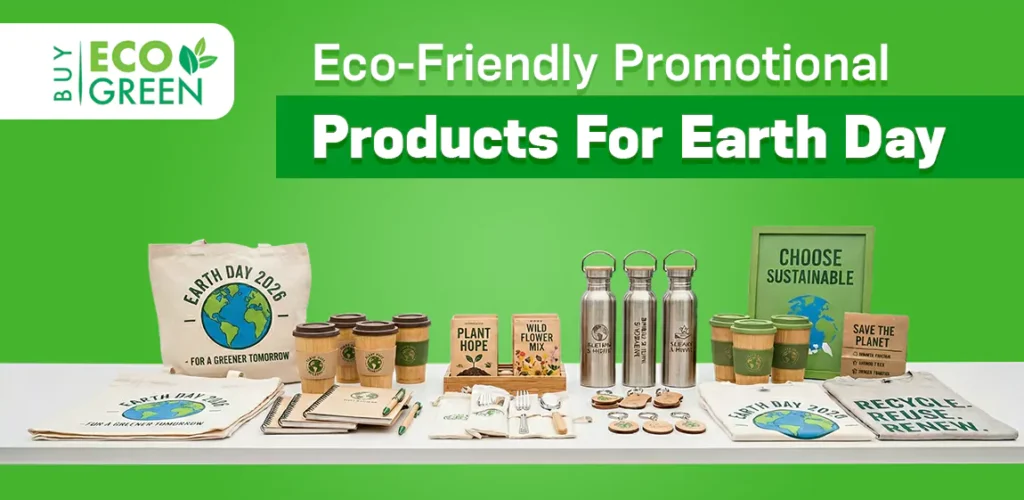
Eco-Friendly Promotional Products for Earth Day
Earth Day falls on 22 April every year, and for Australian schools, councils, government departments, businesses, not-for-profit organisations, and community groups, it represents one of the most meaningful opportunities on the annual calendar to put sustainability values into visible, practical action.
The challenge for many organisations is moving beyond a social media post or a staff email and finding ways to mark Earth Day that genuinely reflect the work being done to reduce environmental impact. Eco-friendly promotional products offer exactly that opportunity. Chosen thoughtfully and sourced responsibly, they carry your organisation’s environmental commitment into the hands of staff, students, community members, clients, and partners in a tangible, lasting way.
This guide covers the best eco-friendly promotional products for Earth Day in an Australian institutional context, explains what makes each option genuinely sustainable rather than just green-labelled, and helps procurement teams and sustainability officers choose products that reinforce rather than undermine their organisation’s environmental values.
Why Earth Day Promotional Products Matter for Australian Organisations
Earth Day began in 1970 and now mobilises more than one billion people across 193 countries each year. In Australia, the date is observed by schools incorporating environmental education into their curriculum, councils running community clean-up and awareness events, businesses launching sustainability initiatives, and not-for-profit organisations marking their year-round conservation work with public-facing programs.
For organisations that participate in Earth Day activities, promotional products serve several distinct purposes:
They make abstract commitments concrete. A sustainability policy document or a staff memo about reducing waste is important, but a physical product made from recycled or biodegradable materials communicates the same commitment in a way that people can hold, use, and experience every day.
They extend the reach of Earth Day beyond 22 April. A reusable tote bag, a recycled notebook, or a set of eco stationery continues to represent your organisation’s values every time it’s used, long after Earth Day itself has passed.
They support procurement policy compliance. Many Australian government departments, councils, and educational institutions operate under green procurement frameworks that actively encourage or require the purchase of sustainable products. Earth Day provides a natural focal point for reviewing and refreshing those procurement choices.
They create genuine community engagement. When schools distribute eco-friendly activity packs on Earth Day, or councils hand out reusable bags at community events, they invite participants to be part of an environmental action rather than passive observers of it.
The key distinction between promotional products that genuinely support Earth Day and those that simply capitalise on it lies in the materials, supply chain, and end-of-life credentials of the product itself. A promotional item made from virgin plastic with a green leaf printed on it does not contribute to sustainability. An item made from recycled, biodegradable, or responsibly sourced materials does.
Buyecogreen supplies genuinely eco-friendly promotional products to Australian schools, councils, businesses, childcare centres, not-for-profit organisations, and community groups. Every product in our range meets at least two of our environmental criteria: recycled content, biodegradability, compostability, reusability, responsible sourcing, or measurably reduced environmental impact.
What Makes an Earth Day Promotional Product Genuinely Eco-Friendly?
Before exploring specific product options, it’s worth establishing a clear framework for evaluating whether a promotional item is genuinely eco-friendly or simply marketed as such.
The promotional products industry, like many others, has seen a significant rise in greenwashing: the practice of using environmental language and imagery to give a product an eco-friendly appearance without the underlying credentials to support it. For organisations that have made public sustainability commitments, distributing greenwashed promotional products on Earth Day carries reputational risk.
When evaluating any promotional product for Earth Day use, apply these questions:
What is it made from? Products made from post-consumer recycled materials, certified sustainable fibres, natural biodegradable materials, or responsibly managed forest products have verifiable environmental credentials. Products described as “natural-looking” or “eco-styled” without specific material information do not.
Is there third-party certification? Responsible forestry certification for paper and wood products, recognised textile standards for fabric items, and recycled content verification from credible certification bodies provide independent confirmation of environmental claims.
What happens to it at end of life? A product that is destined for landfill after use, regardless of what it is made from, has a limited environmental benefit. Products that are recyclable, compostable, biodegradable, or designed for long-term reuse deliver genuine value across their full lifecycle.
Will it actually be used? The most sustainable promotional product is one that displaces single-use alternatives through regular use over an extended period. A cheap item that ends up in a drawer or bin within weeks provides minimal environmental benefit regardless of its material composition.
With that framework in place, the following product categories represent the strongest genuine options for Australian organisations planning Earth Day promotions.
1. Recycled Notebooks and Writing Pads
A recycled notebook is one of the most universally practical and credibly sustainable promotional products available for Earth Day. It is used in virtually every organisational setting, from school classrooms and council offices to corporate workplaces and community centre programs, and it carries clear environmental credentials when made from post-consumer recycled paper.
Recycled notebooks manufactured from post-consumer waste paper reduce the demand for newly harvested timber, divert recovered paper from landfill during production, and deliver a product that performs identically to a conventional notebook in everyday use. For organisations with formal sustainability reporting, the recycled content of a notebook order is a documentable, trackable procurement metric.
For Earth Day specifically, recycled notebooks work well as:
- Student activity and environmental education journals distributed at school Earth Day events
- Staff sustainability awareness packs handed to employees across an organisation
- Conference and workshop materials at Earth Day seminars, community forums, or council sustainability events
- Donor and volunteer thank-you gifts from not-for-profit organisations marking the occasion
- Corporate client gifts from businesses wanting to mark their environmental commitments in a practical way
When sourcing recycled notebooks for Earth Day distribution, look for products that specify the percentage of recycled content clearly, use water-based or soy-based inks in their printing, and are themselves packaged without unnecessary plastic wrapping.
Buyecogreen stocks recycled notebooks and writing pads suited to institutional and business use, available in quantities appropriate for Earth Day bulk distribution programs.
2. Eco-Friendly Tote Bags
A reusable tote bag made from natural or recycled materials is one of the most enduring and practically impactful eco-friendly promotional products available. Every time a recipient uses it for shopping, commuting, carrying library books, or transporting everyday items, it displaces a single-use plastic bag and carries your organisation’s name or message into a new context.
For Earth Day, the symbolism of a reusable bag is particularly well aligned. Plastic bag waste is one of the most visible and widely understood environmental issues in Australia, and plastic bag bans have been progressively introduced across states and territories over recent years. Distributing a quality reusable tote on Earth Day positions your organisation directly within that narrative in a way that resonates with recipients across age groups and backgrounds.
Natural material options for eco-friendly tote bags include:
Cotton canvas: Durable, washable, and long-lasting. Cotton canvas totes handle regular use well and maintain their appearance over an extended service life, which maximises their environmental value relative to their production footprint.
Calico: A lightweight natural cotton fabric that is cost-effective for bulk ordering and well suited to event distribution programs where large quantities are required. Calico totes are popular with schools and community organisations running Earth Day events at scale.
Recycled materials: Tote bags made from recycled fabric or post-consumer materials offer strong environmental credentials by giving recovered material a second useful life.
For Earth Day distribution, tote bags serve effectively as:
- Event giveaway bags at school Earth Day fairs, council clean-up days, and community environmental markets
- Reusable shopping bag alternatives distributed to community members through council sustainability programs
- Staff Earth Day gifts from businesses marking their commitment to reducing plastic use
- Prize bags for school environmental competitions and sustainability challenges
- Community welcome pack carriers for councils distributing household sustainability information
Buyecogreen stocks tote bags in natural and recycled materials across a range of sizes suited to different distribution contexts, from compact event bags to larger general-purpose shopping totes.
3. Recycled Paper Products: Kraft Paper, Notepads, and Rolls
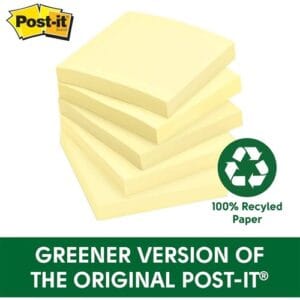
Recycled paper products as a promotional category covers a broad range of items that serve both practical and communicative purposes in Earth Day contexts. This includes recycled kraft paper rolls, recycled notepads, recycled sticky notes, and recycled copy paper distributed as part of organisational sustainability campaigns.
For schools, the distribution of recycled paper products on Earth Day serves a dual educational purpose: students receive a product that performs the same function as conventional paper while learning about the environmental benefits of recycled content. For councils and government departments, distributing recycled paper products to staff as part of Earth Day awareness activities reinforces procurement policy by putting the product directly into use.
Recycled paper products are particularly well suited to:
- Classroom Earth Day activity packs that include recycled notepads for student journaling and environmental reflection exercises
- Office Earth Day supply switches that replace conventional paper products with recycled alternatives across the organisation
- Community event distribution where participants receive recycled paper goods as practical, everyday sustainable alternatives
- School fair stalls and environmental market booths where recycled paper products are displayed and explained alongside sustainability education
The kraft paper roll format is particularly versatile for Earth Day events. It can be used as eco-friendly wrapping for Earth Day prizes and gifts, as a table covering for event displays, as a craft material for students making environmental art, and as signage material for event decoration. Its natural brown appearance immediately communicates environmental credentials without any additional messaging required.
4. Compostable and Biodegradable Packaging for Earth Day Gift Packs
For organisations assembling Earth Day gift packs, hampers, or awareness kits for distribution to students, staff, community members, or event participants, the packaging materials used to present those kits are as much a part of the environmental message as the contents.
Distributing an Earth Day kit in a plastic bag or non-recyclable box contradicts the sustainability narrative of the contents. Compostable and biodegradable packaging, including kraft paper bags, recycled gift boxes, tissue paper, and natural raffia, creates a coherent, credible presentation where every element of the package reflects the values being promoted.
For Earth Day kit packaging, consider:
Recycled kraft paper bags: The most practical and cost-effective outer packaging for Earth Day distribution bags. Fully recyclable and biodegradable, they carry the environmental message from the outside in before a recipient has even opened the pack.
Recycled gift boxes: For Earth Day gift packs that include multiple items or require a more structured presentation, recycled cardboard gift boxes made from post-consumer waste provide a professional appearance with fully traceable recycled material credentials.
Kraft tissue paper: Used to line Earth Day gift packs and bags, unbleached kraft tissue adds presentation without adding environmental cost. It is biodegradable and, in an uncoated form, compostable.
Natural raffia and cotton twine: Used to close or tie Earth Day gift packs in place of synthetic ribbon or plastic ties, natural fibre finishing materials are compostable and biodegradable, and they carry an aesthetic that reinforces the natural, earth-connected theme of the occasion.
Buyecogreen supplies compostable and biodegradable packaging across all these categories, giving organisations the ability to assemble Earth Day gift packs that are genuinely sustainable from the outermost packaging layer through to every product inside.
5. Recycled Stationery Sets as Earth Day Awareness Packs
A curated recycled stationery set is one of the most cohesive and practically valuable Earth Day promotional products available, particularly for schools, councils, and businesses distributing Earth Day awareness kits to large groups.
A thoughtfully assembled Earth Day stationery pack might include:
- A recycled paper notebook or writing pad
- Recycled pencils made from reclaimed timber or recycled newspaper
- A recycled or biodegradable pen
- A small recycled notepad or sticky note pad
- A recycled envelope with a seed paper card or nature-based learning information sheet
Each item in the pack carries its own environmental story, and the combination creates a complete, useful everyday toolkit that the recipient will reach for repeatedly after Earth Day itself has passed. For schools, this format also allows environmental education to be woven into the pack: a small information card explaining what post-consumer recycled paper is, how many trees are saved by using recycled stationery, or what the organisation is doing to reduce its environmental footprint adds depth to the distribution.
For not-for-profit organisations, Earth Day stationery packs offer a tangible donor acknowledgement that communicates organisational values without the environmental cost of conventional gifting. For councils running community sustainability programs, a practical recycled stationery set reinforces the message that sustainable alternatives are available, affordable, and functionally equivalent to conventional products.
6. Recycled Envelopes and Earth Day Communication Materials
Earth Day often involves significant outbound communication: letters to parents from schools explaining Earth Day activities, notices to residents from councils about community clean-up events, newsletters from not-for-profit organisations to donors and supporters, and internal communications from businesses to staff about environmental initiatives.
The materials used to send those communications are themselves an opportunity to demonstrate environmental commitment. Recycled envelopes made from post-consumer waste paper are an immediately visible signal that the organisation’s environmental messaging extends to its operational choices, not just its public statements.
For organisations sending large-scale Earth Day communications, choosing recycled envelope stock for the full mailing run is a practical, documentable procurement decision that supports sustainability reporting and reinforces brand credibility with every envelope that arrives in a recipient’s letterbox.
Buyecogreen stocks recycled envelopes in DL, C4, C5, C6, and square formats in eco brown kraft, covering the full range of sizes needed for Earth Day correspondence across school, council, business, and not-for-profit settings.
7. Nature-Based Learning Materials for School Earth Day Programs
For schools and childcare centres running Earth Day education programs, nature-based learning materials represent a category of promotional and educational product that connects directly to the spirit of the occasion. These are products that encourage students to engage with the natural environment as part of their learning, making Earth Day a hands-on experience rather than a passive one.
Nature-based Earth Day learning materials that work well in school and childcare settings include:
Seed paper cards and activity sheets: Cards or activity sheets made from seed-embedded paper that can be planted after the activity to grow flowers, herbs, or native plants. Students plant the paper directly in soil, which biodegrades as the seeds germinate. The act of planting creates a direct, lasting connection between the student and the environmental theme of the day.
Recycled art materials for environmental projects: Recycled paper rolls, tissue paper, and card stock distributed to students for Earth Day art projects support environmental awareness through creative expression. Student-created environmental artwork displayed in classrooms and corridors extends the impact of Earth Day across the school year.
Recycled activity books and worksheets: Printed on recycled paper with soy-based inks, Earth Day activity books covering topics such as waste reduction, biodiversity, water conservation, and renewable energy give students structured educational content that connects curriculum learning to real-world environmental action.
Nature journals: Recycled paper notebooks used as field journals for outdoor observation activities on Earth Day, where students record what they see, hear, and experience in their local natural environment.
For schools planning structured Earth Day programs, a combination of these materials supports both the educational outcomes of the day and the broader goal of building environmental awareness and stewardship habits in students over time.
8. Eco-Friendly Gift Wrapping for Earth Day Prizes and Recognition Gifts
Earth Day events at schools, councils, and community organisations frequently include prizes for environmental competitions, recognition gifts for student or community environmental champions, and thank-you gifts for volunteers and event supporters. The wrapping and presentation of those gifts contributes to the overall message of the event.
Using conventional glossy wrapping paper with plastic laminate or synthetic ribbon on Earth Day gifts undermines the environmental credibility of the occasion. Eco-friendly gift wrapping options that are fully aligned with an Earth Day theme include:
Kraft paper wrapping: Plain uncoated kraft paper in roll format is fully recyclable and biodegradable. Wrapped with cotton twine or natural raffia and finished with a recycled paper gift tag, it creates a presentation that communicates environmental values clearly and attractively.
Recycled tissue paper lining: For prizes presented in gift bags or boxes, recycled tissue paper lining adds presentation without environmental cost. Unbleached kraft tissue is compostable and makes a strong visual and tactile impression on the recipient.
Natural raffia and cotton twine closures: Replacing synthetic ribbon and plastic bows with natural fibre alternatives on all Earth Day prizes and gifts removes non-recyclable elements from the packaging and reinforces the sustainability narrative of the event.
Recycled gift bags: Paper gift bags made from recycled kraft stock with paper handles eliminate the need for wrapping entirely while providing a clean, professional presentation for Earth Day prizes across all size ranges.
For organisations running Earth Day events with significant prize or gift distribution, having eco-friendly wrapping materials organised in advance as a dedicated Earth Day packaging kit streamlines the preparation process and ensures that every gift presented on the day is packaged consistently and credibly.
9. Recycled Folders and Presentation Materials for Earth Day Events
Earth Day conferences, workshops, forums, and community information events typically involve the distribution of printed information: agendas, environmental fact sheets, action plans, pledge cards, and resource guides. The folders and presentation materials used to collate and distribute that information are a visible, practical expression of the event’s environmental values.
Recycled presentation folders made from post-consumer recycled card stock offer an immediate and visible sustainability credential at Earth Day events. Every participant who receives a folder sees that the organisation has matched its materials to its message, and takes away a folder that can be reused for future document storage rather than discarded after the event.
For councils running Earth Day community forums, businesses hosting Earth Day staff workshops, schools distributing Earth Day parent information packs, or not-for-profit organisations presenting Earth Day awareness materials to supporters, recycled folders and presentation wallets provide a professional, functional, and genuinely sustainable solution.
10. Green Cleaning Supplies as Earth Day Workplace Initiatives
For businesses and government organisations using Earth Day as a focal point for launching new workplace sustainability initiatives, green cleaning supplies represent a highly practical category of eco-friendly product that delivers ongoing environmental benefit rather than a single-use promotional moment.
Switching a workplace from conventional cleaning products to biodegradable, non-toxic, or concentrated cleaning alternatives on Earth Day creates a documented, trackable procurement change with measurable ongoing impact. Unlike a single promotional giveaway item, a cleaning supply switch affects every cleaning cycle in the workplace for as long as the sustainable alternative is maintained.
For organisations wanting Earth Day to mark the beginning of a broader sustainable procurement transition rather than a standalone event, green cleaning supplies sit alongside recycled stationery, eco packaging, and reusable office supplies as practical, everyday categories where the switch from conventional to sustainable alternatives requires no compromise in performance.
Buyecogreen stocks green cleaning supplies suited to office, school, council, and institutional settings, supporting organisations in implementing Earth Day commitments that extend well beyond 22 April.
Planning Your Earth Day Promotional Product Program
For organisations preparing Earth Day promotional product distributions, the following planning considerations help ensure the program runs smoothly and delivers maximum environmental and communicative value:
Define your distribution clearly before ordering. Know exactly who will receive products, in what quantities, and in what context, whether it is a school-wide student distribution, a staff event, a community market, or a council awareness campaign. This clarity prevents both over-ordering and under-ordering.
Order with adequate lead time. Earth Day falls on 22 April each year. For organisations planning significant distributions, placing product orders six to eight weeks in advance allows for standard delivery schedules without requiring express freight, which adds unnecessary carbon to the supply chain.
Communicate the environmental story of each product. The full value of an eco-friendly promotional product is only realised when recipients understand what it is made from and why that matters. A small information card, a printed insert, or a brief verbal explanation at the point of distribution turns a product into an educational moment.
Extend Earth Day commitments beyond the date itself. The strongest organisational Earth Day programs use the date as a launch point for ongoing procurement and operational changes rather than a single-day event. Products ordered for Earth Day, such as recycled stationery, eco packaging, and reusable bags, can become the standard supply choice going forward rather than a one-off purchase.
Document purchases for sustainability reporting. For organisations with formal reporting obligations, keeping clear records of eco-friendly promotional product purchases made for Earth Day, including material specifications and quantities, supports transparent and credible environmental reporting.
A Quick Reference: Earth Day Promotional Products by Organisation Type
| Organisation Type | Recommended Products |
| Schools and childcare centres | Recycled notebooks, seed paper activity cards, art materials, recycled stationery packs, tote bags |
| Councils and government departments | Reusable tote bags, recycled envelopes, recycled notebooks, eco gift packs, green cleaning supplies |
| Businesses and corporate offices | Recycled stationery sets, tote bags, recycled folders, eco-wrapped staff recognition gifts |
| Not-for-profit organisations | Recycled stationery, eco packaging for donor gifts, tote bags for community events |
| Community groups | Tote bags, kraft paper activity materials, seed paper cards, recycled gift bags |
| Eco-focused retailers | Kraft paper rolls, recycled tissue paper, natural raffia, recycled gift bags and boxes |
Why Buyecogreen for Your Earth Day Promotional Products
Buyecogreen has been supplying eco-friendly, recycled, and sustainably sourced products to Australian schools, councils, businesses, childcare centres, and community organisations for over a decade. Our product range is built specifically for the procurement needs of institutions and organisations that are working toward genuine sustainability outcomes, not just green optics.
Every product we supply meets at least two of our environmental criteria: recycled content, biodegradability, compostability, reusability, responsible sourcing, or reduced environmental impact. That commitment ensures that when your organisation distributes Buyecogreen products on Earth Day, the environmental story behind each item is credible, verifiable, and genuinely aligned with the values you are communicating.
Our range covers recycled stationery, eco-friendly office supplies, sustainable gift wrapping and packaging, tote bags, tissue paper, kraft paper rolls, recycled envelopes, classroom and arts materials, recycled notebooks and paper products, green cleaning supplies, and nature-based learning materials. Whether you are planning a school Earth Day program, a council community event, a corporate staff initiative, or a not-for-profit awareness campaign, we can help you identify the right products, quantities, and formats for your specific context.
Frequently Asked Questions
Q1. How far in advance should our organisation order eco-friendly promotional products for Earth Day?
Earth Day falls on 22 April each year, which gives most organisations a fixed annual planning point. For standard in-stock eco-friendly products such as recycled notebooks, tote bags, kraft paper rolls, and recycled envelopes, ordering four to six weeks in advance is generally sufficient to receive stock via standard freight without any urgency. For bulk orders involving very large quantities, for organisations in regional or remote areas where freight times are longer, or for any products that require custom printing or assembly, allowing eight to ten weeks is a safer planning margin. The most common mistake organisations make with Earth Day procurement is treating it as a last-minute decision. Sustainable products ordered reactively at short notice often require express freight, which adds unnecessary carbon emissions to a purchase meant to demonstrate environmental responsibility. Building Earth Day product procurement into your annual planning calendar, alongside other fixed-date operational preparations, is the most practical and consistent approach.
Q2. How do we avoid greenwashing when selecting eco-friendly promotional products for Earth Day?
Avoiding greenwashing starts with asking specific, direct questions about the materials, certifications, and end-of-life credentials of any product before purchasing it. Vague descriptors such as “eco-inspired,” “nature-friendly,” or “green” without supporting detail are not sufficient. For paper and wood products, look for certification from responsible forestry programs that verifies sustainable sourcing. For recycled content claims, ask for the specific percentage of post-consumer recycled material and whether that claim is independently verified. For biodegradability and compostability claims, ask whether the product meets recognised Australian or international standards for those properties and under what conditions it will break down. At Buyecogreen, every product in our range is selected against specific environmental criteria, and we can provide material and certification information to support your procurement documentation and reporting requirements. If a supplier cannot answer specific questions about a product’s environmental credentials with clear, verifiable information, that is a strong signal that the eco-friendly claim may not hold up to scrutiny.
Q3. What eco-friendly Earth Day products are most suitable for primary school students?
For primary school students, the most effective Earth Day promotional products combine practical use with educational value and physical engagement. Recycled notebooks and writing pads suit middle and upper primary students who can use them for Earth Day journaling activities, environmental observation exercises, and sustainability project work. Seed paper activity cards are particularly well suited to primary school Earth Day programs because they connect environmental learning to a direct, hands-on action: students plant the paper and observe the seeds germinating over the weeks following Earth Day, which creates a lasting connection to the occasion. Recycled art materials including paper rolls, tissue paper, and card stock support Earth Day creative projects across all primary year levels. Reusable tote bags in calico or natural cotton are practical for students of all ages and go home with families, extending the reach of your school’s Earth Day message beyond the classroom. Buyecogreen’s team can advise on age-appropriate product selections and quantities suited to your school’s specific cohort and Earth Day program format.
Q4. Can eco-friendly promotional products from Buyecogreen be included in our organisation’s sustainability reporting for Earth Day?
Yes. Purchasing eco-friendly promotional products through Buyecogreen is a documentable procurement action that can be recorded as part of your organisation’s sustainability reporting, particularly for schools operating under environmental education frameworks, councils reporting against climate action plans, businesses with corporate environmental commitments, or government departments operating under green procurement policies. To make Earth Day product purchases reportable, maintain purchase records that specify the environmental credentials of each product purchased, including recycled content percentages, material type, biodegradability or compostability status, and relevant certifications where applicable. Buyecogreen can provide product information documentation to support your reporting cycle. Over multiple years, consistent Earth Day eco-product procurement becomes a trackable trend within your sustainability reporting that demonstrates ongoing commitment rather than a single-year initiative. If your organisation is working toward specific waste diversion, recycled content, or plastic elimination targets, our team can help you align your Earth Day product selections with those specific goals.
Q5. How can our organisation use Earth Day promotional products to extend environmental awareness beyond 22 April?
The most effective Earth Day promotional products are those that continue delivering environmental value and communicating sustainability messages long after the date itself. Products designed for daily use, such as recycled notebooks, reusable tote bags, recycled stationery sets, and green cleaning supplies, naturally extend the reach of Earth Day commitments into everyday routines. To maximise this ongoing impact, treat Earth Day as a program launch rather than a standalone event. Use the date to introduce new sustainable products as the standard procurement choice across your organisation going forward, so that the recycled notebooks distributed on Earth Day become the default notebook ordered for the rest of the year, and the reusable tote bags handed out at an Earth Day community event become the standard bag offered at all subsequent council events. Pair product distribution with clear communication about why specific eco-friendly products were chosen and what environmental benefit they deliver, so that recipients understand the purpose behind the selection rather than simply receiving another event giveaway. For schools, extending Earth Day learning into term-long environmental projects using the recycled materials distributed on the day creates a curriculum connection that keeps sustainability thinking active well beyond April.
Buyecogreen supplies eco-friendly, recycled, and sustainably sourced promotional products, stationery, packaging, and office supplies to schools, councils, government organisations, businesses, childcare centres, and community groups across Australia. Explore our full range of Earth Day and sustainable procurement products at buyecogreen.com.au
Top Products
-
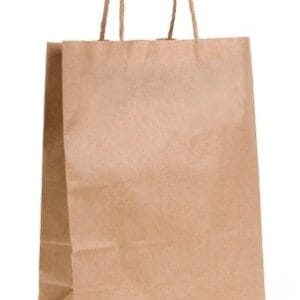
Recycled Brown Paper Medium Carry Bag with twisted paper handles (Pack of 50)
$33.39 (incl. tax)
$30.35 (excl. tax) Add to cart -

Eco White Recycled A4 Paper 100gsm (pack of 100 sheets)
$11.00 (incl. tax)
$10.00 (excl. tax) Add to cart -
Eco White 300gsm Recycled Card 12” x 12” (Pack of 50)
$24.20 (incl. tax)
$22.00 (excl. tax) Add to cart -
Cellophane Gusseted Bag (230x125x50mm) Box of 1000
$181.50 (incl. tax)
$165.00 (excl. tax) Add to cart -
-

Eco Brown 230gsm Duplex Recycled DL Card 210mm x 99mm (Pack of 100)
$9.90 (incl. tax)
$9.00 (excl. tax) Add to cart -
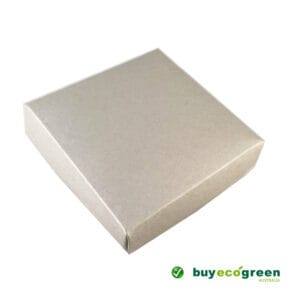
Recycled Gift Box (105mm square) – Silver and Natural Kraft (Pack of 5)
$14.90 (incl. tax)
$13.55 (excl. tax) Add to cart -