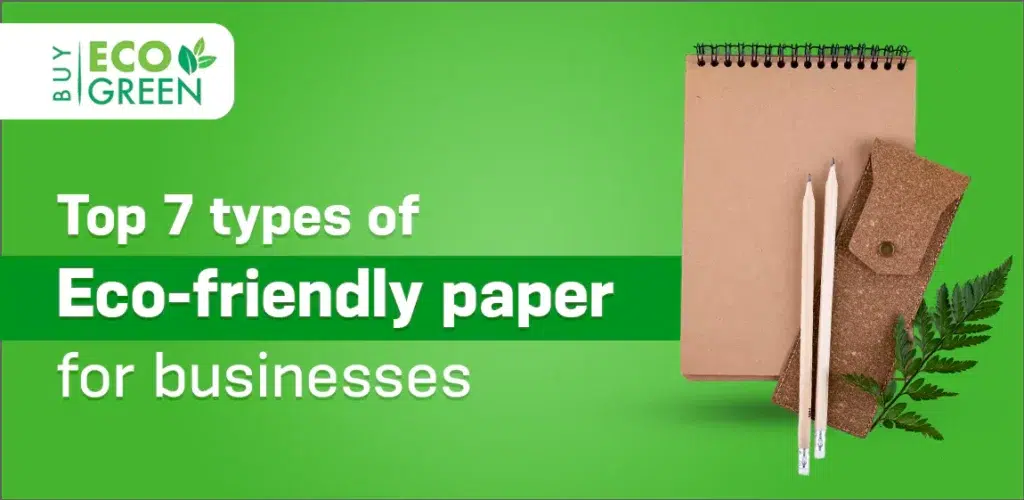
The most environmentally friendly paper depends on how it is made, what it is made from, and how it is used. Papers produced from recycled fibres, agricultural waste, or rapidly renewable plants consistently offer lower environmental impact than conventional wood pulp paper, while still meeting commercial performance needs.
This guide is written for Australian businesses looking to adopt eco-friendly paper in a practical, commercially sensible way.
What Is the Most Environmentally Friendly Paper?
There is no single answer that applies to every business. The most environmentally friendly paper is the one that achieves the lowest overall environmental impact for its intended use.
Generally, eco-friendly paper performs well when it:
Uses recycled or waste-based fibres
Comes from rapidly renewable sources
Requires less water and energy to produce
Avoids harmful chemicals and bleaching
Can be recycled or biodegraded after use
For many Australian businesses, the most sustainable option is often recycled paper or paper made from agricultural by-products, rather than virgin tree-based pulp.
Why Eco-Friendly Paper Matters for Businesses Today
Paper remains essential across offices, retail, packaging, marketing, and logistics. Despite digital transformation, businesses still rely heavily on printed materials and paper-based packaging.
Eco-friendly paper matters because it:
Reduces pressure on forests
Lowers carbon and water footprints
Aligns with ESG and CSR commitments
Meets customer expectations around sustainability
Supports regulatory and procurement requirements
Sustainable paper choices are no longer just a branding decision. They are part of risk management, supplier compliance, and long-term business strategy.
Market Insights and Business Benefits of Eco-Friendly Paper
Australian consumers and B2B buyers are increasingly aware of how products are sourced and produced. Paper is one of the most visible materials in this conversation.
Key business benefits include:
Stronger brand trust and credibility
Improved appeal to eco-conscious customers
Competitive differentiation in crowded markets
Better alignment with sustainability reporting
Reduced reputational risk
From packaging to printed materials, paper is often the first physical interaction a customer has with a brand.
Overview Table of Different Types of Eco-Friendly Paper
Type of Eco-Friendly Paper
Primary Source
Key Environmental Benefit
Common Business Uses
Recycled cotton paper
Textile waste
Reduces landfill and water use
Stationery, premium print
Sugarcane paper
Agricultural waste
No trees required
Office paper, packaging
Bamboo paper
Rapidly renewable plant
Fast regrowth, low chemicals
Tissue, packaging
Hemp paper
Industrial hemp
High yield, low water
Specialty printing
Seed paper
Recycled fibres with seeds
Zero waste end-of-life
Marketing, promotions
Straw paper
Crop residue
Uses farming waste
Packaging, labels
Stone paper
Calcium carbonate
No water or trees used
Waterproof printing
This overview highlights why no single paper type suits every application. Each serves a specific role.
The Top 7 Types of Eco-Friendly Paper Explained
1. Recycled Cotton Paper
Recycled cotton paper is made from cotton textile waste rather than trees. It is often sourced from offcuts from the garment and textile industry.
Why businesses choose it:
Exceptionally durable
Naturally bright without heavy bleaching
High-end look and feel
Long lifespan
Common uses include:
Premium stationery
Certificates
Art and design printing
Brand collateral
Recycled cotton paper reduces landfill waste while delivering a luxury finish that suits high-value branding.
2. Sugarcane Paper
Sugarcane paper is produced from bagasse, the fibrous residue left after sugar extraction. Instead of being discarded or burned, this agricultural waste is repurposed into paper.
Key benefits:
Does not require additional trees
Uses waste from existing agriculture
Lower water consumption than wood pulp
Strong and versatile
Common business uses:
Office paper
Packaging
Food service paper products
Marketing materials
Sugarcane paper is one of the most balanced options for businesses seeking sustainability without sacrificing performance.
3. Bamboo Paper
Bamboo is one of the fastest-growing plants in the world, making it a highly renewable resource. It regenerates quickly without replanting and requires fewer chemicals to process.
Advantages include:
Rapid renewability
Strong fibre structure
Reduced reliance on forests
Natural resistance to pests
Bamboo paper is commonly used for:
Tissue products
Packaging
Disposable paper goods
Its growth cycle makes it a strong alternative to traditional tree-based paper.
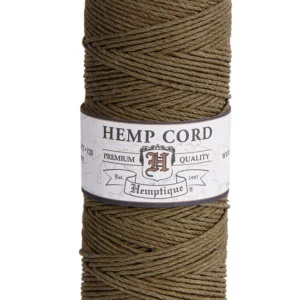
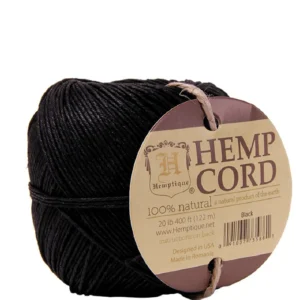
4. Hemp Paper
Hemp paper is produced from industrial hemp, a plant known for high fibre yield and low environmental impact.
Why hemp stands out:
Requires less water than trees
Grows quickly
Produces more fibre per hectare
Naturally resistant to pests
Typical applications include:
Specialty printing
Archival documents
High-strength paper products
Hemp paper is not yet mainstream due to cost and availability, but it represents a highly sustainable option where feasible.
5. Seed Paper
Seed paper is made from recycled paper fibres embedded with seeds. After use, it can be planted in soil, where it decomposes, allowing seeds to germinate.
Environmental benefits:
Zero-waste end-of-life
Encourages reuse and engagement
Made from recycled materials
Common business uses:
Promotional flyers
Event invitations
Direct mail campaigns
Brand storytelling materials
Seed paper turns paper waste into a positive environmental outcome, making it ideal for purpose-driven marketing.
6. Straw Paper
Straw paper is made from leftover agricultural straw after crops are harvested. This material would otherwise be burned or discarded.
Key benefits:
Uses existing farming waste
Reduces air pollution from crop burning
Requires fewer trees
Straw paper works well for:
Packaging
Labels
Office and commercial printing
It supports circular economy principles by turning waste into a valuable resource.
7. Stone Paper
Stone paper is made primarily from calcium carbonate, a natural mineral, rather than plant fibres. It uses a small amount of non-toxic resin to bind the material.
Environmental advantages include:
No trees used
No water required during production
Strong and tear-resistant
Naturally waterproof
Business applications include:
Maps
Menus
Outdoor signage
Durable packaging inserts
Stone paper is not biodegradable in the traditional sense, but it offers a very low-impact production process.
Benefits of Sustainable Paper Sourcing
Choosing sustainable paper goes beyond the material itself. It involves responsible sourcing, production, and supply chain decisions.
Key benefits include:
Reduced deforestation
Lower greenhouse gas emissions
Improved supply chain transparency
Compliance with sustainability frameworks
Long-term cost efficiency
Sustainable paper sourcing also helps businesses meet procurement standards set by large retailers and corporate clients.
Key Principles for Adopting Eco-Friendly Paper
When adopting eco-friendly paper, businesses should focus on a few guiding principles.
Choose based on use, not trends
The most sustainable paper is the one that performs well for its purpose without excess waste.
Prioritise recycled and waste-based fibres
Using existing materials almost always reduces environmental impact.
Avoid unnecessary coatings and treatments
Simple paper structures improve recyclability and biodegradability.
Consider local availability
Locally sourced or widely available materials reduce transport emissions.
Best Eco-Friendly Paper Products for Your Business
Different business functions benefit from various paper types.
Packaging and shipping: sugarcane paper, straw paper, recycled paper
Office and printing: recycled cotton paper, sugarcane paper
Marketing and promotions: seed paper, recycled cotton paper
Food service: bamboo paper, sugarcane paper
Durable print needs: stone paper
Matching paper type to application ensures sustainability gains are genuine and measurable.
How to Integrate Sustainability Into Your Business Strategy
Eco-friendly paper works best as part of a broader sustainability approach.
Practical steps include:
Auditing current paper usage
Switching high-volume items first
Educating staff and suppliers
Communicating changes transparently
Measuring impact over time
Gradual transitions reduce risk and help maintain consistency across operations.
Why Buy Eco-Friendly Paper from Buyecogreen
Buyecogreen supports Australian businesses seeking practical, genuinely sustainable paper solutions.
Buyecogreen focuses on:
Eco-friendly paper sourced responsibly
Clear material information
Products suited to real business needs
Supporting long-term sustainability goals
Choosing the right supplier is as important as choosing the right paper type.
Final Thoughts on Eco-Friendly Paper
Eco-friendly paper is not a single product, but a category of smarter choices. By understanding materials, sourcing, and application, businesses can reduce environmental impact while maintaining performance and professionalism.
The most effective approach balances sustainability with practicality, cost, and customer expectations.
FAQs
What is the most environmentally friendly paper?
Paper made from recycled fibres or agricultural waste, such as sugarcane and straw, is often the most environmentally friendly.
Is recycled paper always better than virgin paper?
In most cases, yes, because it reduces demand for new raw materials and lowers energy use.
Can eco-friendly paper be used for packaging?
Yes, many eco-friendly papers are suitable for packaging, including sugarcane, straw, and recycled papers.
What is stone paper made from?
Stone paper is made primarily from calcium carbonate and uses no trees or water during production.
How can businesses switch to eco-friendly paper?
By auditing current usage, selecting appropriate alternatives, and transitioning in stages.