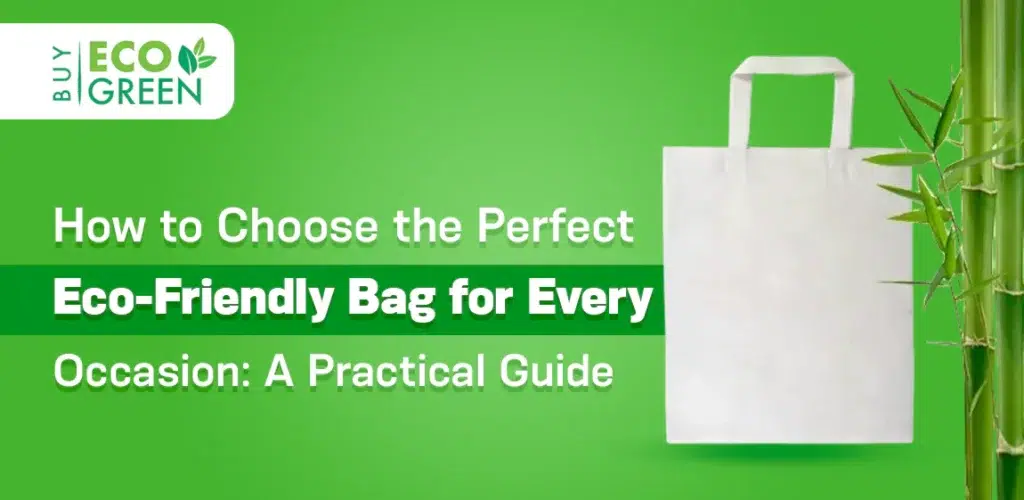
The right eco-friendly bag depends on how it will be used, how often it will be reused, and what message you want it to send. From everyday shopping to corporate gifting, choosing the correct material and design makes a real difference to sustainability, cost, and brand perception.
This guide is written for Australian consumers and businesses looking to make smarter choices with reusable and sustainable bags.
What Are Eco-Friendly Bags?
Eco-friendly bags are bags designed to reduce environmental impact compared to single-use plastic alternatives. They are typically made from renewable, recycled, or biodegradable materials and are intended for repeated use or responsible disposal.
Eco-friendly bags aim to:
- Reduce plastic waste
- Lower reliance on fossil fuels
- Support reuse rather than disposal
- Break down safely at the end of life where possible
In Australia, eco-friendly bags are increasingly used across retail, events, corporate promotions, gifting, and everyday shopping.
Why Eco-Friendly Bags Are Important
Plastic bags remain one of the most common sources of environmental pollution. While plastic bag bans have reduced usage, the need for durable, sustainable alternatives has only grown.
Eco-friendly bags matter because they:
- Reduce landfill and marine waste
- Lower carbon footprint when reused properly
- Encourage conscious consumer behaviour
- Support businesses aligning with sustainability values
For brands, eco-friendly bags are no longer just practical items; they are a key part of their identity. They are visible statements about responsibility and long-term thinking.
Benefits of Using Eco-Friendly Bags
Environmental benefits
The most obvious benefit is reduced environmental harm. Reusable and biodegradable materials help limit waste accumulation and resource extraction.
Long-term cost savings
Although eco-friendly bags can cost more upfront, they last significantly longer than disposable options. Over time, fewer replacements are needed, making them more cost-effective.
Brand and reputation value
For businesses, eco-friendly bags reinforce positive brand values. Customers increasingly associate sustainable products with trust and quality.
Versatility and durability
Many eco-friendly bags are stronger than traditional plastic bags and are suitable for a wide range of uses, from groceries to events and gifting.
Types of Eco-Friendly Bags
Understanding material differences helps you choose the option that best suits your needs.
Recycled Paper Bags
Recycled paper bags are made from post-consumer or post-industrial paper waste.
Key features:
- Fully recyclable
- Biodegradable
- Suitable for light to medium-weight items
- Easy to customise with printing
Best uses:
- Retail packaging
- Takeaway food
- Event giveaways
- Gift bags
They work well where presentation matters and moisture exposure is limited.
Sustainable Bamboo Bags
Bamboo is a fast-growing, renewable resource that requires minimal water and no pesticides.
Key features:
- Strong natural fibres
- Renewable and low-impact
- Distinct natural appearance
Best uses:
- Premium gifting
- Lifestyle and wellness products
- Reusable shopping bags
Sustainable bamboo bags appeal to eco-conscious customers seeking natural alternatives.
Organic Cotton Bags
Organic cotton bags are made without synthetic pesticides or fertilisers.
Key features:
- Soft and durable
- Washable and reusable
- Long lifespan
- Natural look and feel
Best uses:
- Everyday shopping
- Promotional events
- Corporate branding
- Conference bags
Organic cotton bags are among the most popular eco-friendly promotional products due to their versatility.
Recycled PET Bags
Recycled PET bags are made from recycled plastic bottles.
Key features:
- Diverts plastic waste from landfill
- Lightweight yet strong
- Water resistant
- Durable for repeated use
Best uses:
- Shopping bags
- Promotional bags
- Sports and outdoor use
Although made from plastic, recycled PET bags reduce demand for virgin plastic and extend the material’s lifecycle.
Jute Bags
Jute bags are made from natural plant fibres and are known for their strength.
Key features:
- Highly durable
- Biodegradable
- Rustic appearance
- Excellent load capacity
Best uses:
- Grocery shopping
- Farmers markets
- Gift hampers
- Corporate gifting
Jute bags are often chosen for their durability and strong environmental message.
Biodegradable Cellophane Bags
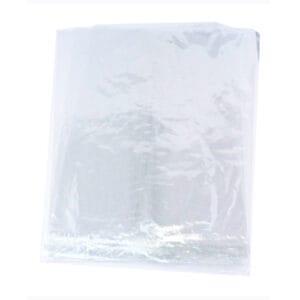
Biodegradable cellophane bags are made from plant-based cellulose rather than petroleum plastics.
Key features:
- Transparent
- Compostable under the right conditions
- Food-safe options available
Best uses:
- Food packaging
- Gift wrapping
- Product presentation
They offer a sustainable alternative to traditional plastic wrap where visibility is essential.
Cost-Effectiveness Comparison
Choosing eco-friendly bags is not just about purchase price. Cost effectiveness depends on lifespan, reuse rate, and brand value.
General comparison:
- Paper bags have a lower upfront cost but limited reuse
- Cotton and jute bags cost more initially, but last much longer
- Recycled PET bags balance durability and price
- Bamboo bags sit in the premium category
For businesses, the cost per use is often lower with durable, eco-friendly bags than with single-use alternatives.
Uses of Eco-Friendly Bags in Everyday Life
Eco-friendly bags fit into many daily activities.
Common uses include:
- Grocery and retail shopping
- Gym and sports gear
- School and work essentials
- Travel organisation
- Market and produce shopping
Having multiple bag types allows people to match the bag to the task rather than relying on disposable options.
Eco-Friendly Bags for Gifting
Eco-friendly bags are increasingly used as part of the gift itself.
Why they work for gifting:
- They add value beyond the gift
- They reduce wrapping waste
- They are reusable by the recipient
- They enhance presentation
Popular gifting options include:
- Jute bags for hampers
- Organic cotton bags for events
- Recycled paper bags for retail gifts
- Bamboo bags for premium occasions
A reusable bag often becomes part of the gift experience rather than packaging to be discarded.
Eco-Friendly Bags in Corporate and Branding
Eco-friendly bags are widely used as eco-friendly promotional products because they combine practicality with brand visibility.
Benefits for businesses:
- Repeated brand exposure
- Positive sustainability association
- Useful items that are kept rather than discarded
- Alignment with ESG and CSR goals
Common corporate uses include:
- Conference and event bags
- Staff welcome packs
- Client gifts
- Retail and promotional campaigns
Well-designed eco-friendly bags often have a longer brand lifespan than many traditional promotional items.
How to Choose the Right Eco-Friendly Bag
Choosing the right eco-friendly bag depends on a few key considerations.
Intended use
Ask:
- How much weight will the bag carry?
- How often will it be reused?
- Will it be exposed to moisture?
Audience and context
Consider:
- Is it for personal use, gifting, or promotion?
- Does the audience value premium or practical items?
- Will branding be applied?
Sustainability goals
Decide whether the priority is:
- Recyclability
- Reusability
- Biodegradability
- Use of recycled materials
No single bag type excels in every category, so balance matters.
Budget and volume
Higher-quality, eco-friendly bags often become more cost-effective at scale. Long-term value should guide decisions rather than the lowest unit cost.
Common Misconceptions About Eco-Friendly Bags
All eco-friendly bags are biodegradable
Not all are. Many focus on reuse and recyclability rather than biodegradability.
Recycled materials are of lower quality
Recycled PET and paper can be just as strong as virgin materials when produced correctly.
Eco-friendly bags are only for green brands
They are now used across mainstream retail, corporate, and lifestyle markets.
Future of Eco-Friendly Bags
The future of eco-friendly bags is shaped by innovation, regulation, and consumer demand.
Key trends include:
- Increased use of recycled and renewable materials
- Stronger focus on durability and reuse
- More explicit labelling and material transparency
- Integration into circular economy models
- Growth in eco-friendly promotional products
As sustainability expectations rise, eco-friendly bags will continue to replace single-use packaging across industries.
Why Buy Eco-Friendly Bags from Buyecogreen
Buyecogreen focuses on providing practical, genuinely sustainable bag solutions suited to Australian conditions and expectations.
Buyecogreen supports customers by:
- Offering a wide range of eco-friendly bag materials
- Prioritising reusable and responsibly sourced products
- Supporting personal, gifting, and business use cases
- Aligning sustainability with everyday practicality
Choosing the right supplier is just as important as choosing the right bag.
Final Thoughts
Eco-friendly bags are one of the simplest ways to reduce waste while adding long-term value. Whether used for shopping, gifting, or branding, the right bag supports sustainability without sacrificing function or style.
By understanding materials, costs, and real-world use, individuals and businesses can make choices that are better for the environment and more practical over time.
FAQs
What are eco-friendly bags?
Eco-friendly bags are bags made from recycled, renewable, or biodegradable materials designed to reduce environmental impact.
Which eco-friendly bag is best for everyday shopping?
Organic cotton, jute, and recycled PET bags are popular for everyday use due to their durability.
Are eco-friendly bags cost-effective?
Yes. While some cost more upfront, their long lifespan makes them cheaper per use than disposable bags.
Can eco-friendly bags be used for corporate branding?
Yes. They are widely used as eco-friendly promotional products because they offer long-term brand exposure.
What is the future of eco-friendly bags?
The future includes more recycled materials, improved durability, clearer sustainability messaging, and broader adoption across industries.