Best Uses of Custom Tissue Paper: A Comprehensive Guide
There is a moment in every gift opening, every retail unboxing, and every carefully assembled hamper where tissue paper does something that no other packaging material quite manages. It creates anticipation. The recipient moves through a layer of something soft and considered before reaching what’s inside, and that small experience changes how the gift itself is received.
For Australian schools, councils, businesses, childcare centres, not-for-profit organisations, and eco-focused retailers, tissue paper is one of the most versatile and cost-effective packaging materials available. It serves practical functions across gift presentation, product protection, classroom activities, event preparation, and branded organisational communications, often without receiving much deliberate thought in procurement decisions.
This guide covers every meaningful use of tissue paper in an institutional and business context, explains which tissue types suit which applications, and helps procurement teams and administrators understand how to get maximum value from this product across their organisation’s full range of needs.
What Custom Tissue Paper Actually Is
Before exploring the applications, it helps to be clear about what separates custom tissue paper from standard tissue paper and why the distinction matters in a B2B context.
Standard tissue paper is a plain, unprinted product available in white, kraft brown, or a range of solid colours. It is used across gift presentation, product wrapping, and arts and craft work without any specific organisational branding or design.
Custom tissue paper takes the same base material and adds a printed design, which may include an organisation’s logo, a seasonal pattern, an event theme, a colour scheme, or a combination of these elements. The print is typically applied using water-based inks in a repeating pattern across the sheet, so that regardless of how the tissue is folded or layered, the design remains visible and consistent.
For organisations, the distinction between standard and custom tissue paper comes down to presentation goals. Where the goal is functional, standard white or kraft tissue paper is entirely appropriate. Where the goal is to communicate an organisation’s identity, reinforce a brand, or elevate a gifting or retail experience, custom tissue paper does that work without requiring any additional packaging element.
Buyecogreen supplies tissue paper to Australian schools, councils, businesses, childcare centres, not-for-profit organisations, and community groups. Whether your organisation’s need is functional, presentational, or both, the right tissue paper choice starts with understanding the full range of applications available.
1. Lining Gift Bags and Gift Boxes
The single most widespread use of tissue paper in an institutional setting is lining the inside of gift bags and gift boxes. This is where tissue paper earns its place in almost every organisation’s packaging supply.
When a gift is placed into a bag or box without any interior lining, the recipient sees the item sitting in an empty container. The presentation is flat, the opening experience is unremarkable, and the sense of care and thoughtfulness that gift-giving is meant to convey is partially lost. Tissue paper changes that.
Layered inside a gift bag or arranged around an item in a gift box, tissue paper creates volume and texture. It gives the recipient something to move through, and it frames the gift in a way that signals the giver paid attention to presentation. This matters in an organisational context, where the gifts being presented often reflect on the institution itself: a council thank-you hamper, a school end-of-year teacher gift, a corporate recognition present, or a not-for-profit donor acknowledgement.
For organisations that use custom tissue paper in this application, the added benefit is that every gift opening becomes a small, branded moment. The recipient sees your organisation’s logo, colours, or pattern as they open the bag, reinforcing the connection between the gift and the organisation presenting it.
Practical considerations for this use:
- White tissue paper suits most gift colours and is the most versatile choice for general-purpose lining across varied gift types
- Kraft tissue paper gives a natural, eco-conscious look that pairs well with brown paper gift bags and recycled gift boxes
- Coloured tissue paper allows organisations to match seasonal themes, event colours, or branding palettes
- Custom printed tissue adds organisational identity without any additional labelling or stickers
For schools running end-of-year celebrations, councils preparing community recognition gifts, or businesses wrapping staff presents at scale, bulk tissue paper for gift lining is one of the most frequently restocked packaging items across the year.
2. Wrapping Individual Products at Retail and Market Stalls
For eco-focused retailers, market stallholders, and community organisations selling handmade or curated products, tissue paper provides a wrapping layer around individual items before they are placed into a bag or box.
This application serves two purposes simultaneously. The first is protective: tissue paper creates a soft barrier around the product, preventing scuffing, scratching, and contact with other items during handling and transport. The second is presentational: an item wrapped in tissue paper inside a bag or box elevates the product’s perceived value and creates a more considered unboxing experience for the buyer.
Common products wrapped individually in tissue paper in this context include:
- Handmade ceramics, glass items, and fragile decorative goods are sold at community markets
- Candles, skincare products, and artisan goods at eco-retail outlets
- Stationery sets, notebooks, and gift stationery products
- Clothing items, scarves, and accessories at boutique retail outlets
- Art prints and illustrations are sold at school fundraiser markets or community events
- Small gift items and nature-based learning materials are supplied to school programs
For organisations that operate market stalls, pop-up retail events, or fundraiser sales, individually wrapping products in tissue paper is a simple, low-cost way to distinguish their presentation from other stallholders and to communicate that care and quality are priorities.
Custom printed tissue paper in this application carries the organisation’s branding from the point of sale through to the moment of opening, creating a cohesive, professional impression at every stage of the recipient’s experience.
3. Hamper and Gift Basket Presentation
Hampers and gift baskets are a staple of Australian institutional gift-giving. End-of-year staff gifts, council community acknowledgements, school fundraiser auction prizes, not-for-profit donor appreciation packs, and corporate client gifts frequently take the form of assembled baskets or boxes filled with curated products.
Tissue paper plays a central role in making a hamper look complete and considered rather than simply a collection of items placed in a container. It is used in two distinct ways in this context:
As a base and nest layer: Sheets or strips of tissue paper are placed at the bottom and sides of the hamper basket or box, creating a soft, visually textured bed for the products to sit in. This prevents items from shifting during transport, fills any gaps between products, and gives the assembled hamper a full, generous appearance even when the product selection is modest.
As individual product wraps: Specific items within the hamper may be wrapped individually in tissue before being placed in the container, adding additional layers of presentation and protecting products from contact with each other.
For schools assembling fundraiser auction hampers, councils preparing community event prizes, or not-for-profit organisations putting together donor gift packs, tissue paper is the material that transforms a box of products into a coherent, gift-ready presentation.
The choice of tissue colour and type for hamper presentation should reflect the occasion and the organisation’s visual identity. Kraft tissue paper works well in natural, eco-themed hampers and pairs strongly with recycled gift boxes. White tissue provides a clean, neutral base that suits any product combination. Custom-printed tissue in this application creates a consistent, branded presentation visible both when the hamper is displayed and when it is opened.
4. Corporate and Staff Recognition Gifting
Every organisation, regardless of sector, has moments in the year that call for formal gift presentations: staff milestone recognitions, volunteer appreciation events, farewell gifts, seasonal thank-you packages, and community partner acknowledgements. In each of these situations, the presentation of the gift communicates respect and appreciation as much as the gift itself.
Tissue paper in staff and corporate gifting contexts elevates the perceived value and care of a gift without significantly increasing packaging costs. A gift that might arrive in a plain box with no interior presentation is transformed by a layer of thoughtfully chosen tissue into something that feels considered, personal, and reflective of the effort the organisation has put into the recognition.
For government departments, councils, and corporate businesses with formal gift-giving programs, custom-printed tissue paper creates immediate brand consistency across all gifting occasions. The organisation’s logo or design appears at the moment of unwrapping, reinforcing the connection between the recognition and the institution offering it.
Key applications in this space include:
- Service awards and milestone recognition gifts for long-serving staff or volunteers
- Seasonal gift boxes are distributed to staff across multiple departments or locations
- Welcome kits for new staff members joining an organisation
- Client and stakeholder appreciation gifts for businesses
- Sponsor and partner recognition packs for not-for-profit organisations and community groups
- Council community leader acknowledgement gifts
For organisations running recognition programs at scale across multiple sites, having custom-printed tissue paper produced in advance and held in stock ensures that every gift across the program is presented consistently and professionally, regardless of who assembles it or where it is prepared.
5. School and Childcare Event Presentation
Schools and childcare centres have frequent occasions involving gift presentation and packaging: end-of-year teacher gifts, school fair prizes and raffle items, student achievement awards, class activity packs, parent welcome packs, and seasonal celebration distributions.
Tissue paper in school and childcare contexts is used for both presentation and arts-and-crafts activities, making it a particularly cost-effective procurement item for education-based organisations. A single bulk order covers both needs without requiring separate purchasing decisions.
For presentation purposes in schools and childcare centres, tissue paper is used to:
- Line gift bags and boxes for teacher appreciation gifts assembled by parent groups or student councils
- Add presentation to student achievement prizes and award packages
- Wrap books, stationery kits, and end-of-year student gift packs
- Present class activity packs and nature-based learning resource bundles
- Add a festive element to seasonal celebration bags for students at events and end-of-term distributions
For not-for-profit organisations and school communities running fundraising events, the presentation quality of prizes and auction items directly affects their perceived value and the amounts raised. Tissue paper is one of the simplest and most affordable ways to improve the presentation of prizes across a fundraising event without increasing the underlying cost of each item.
6. Arts, Crafts, and Classroom Activities
In schools and childcare centres, tissue paper has a well-established role as a versatile arts-and-crafts material. This dual-purpose nature makes it one of the most useful items to have consistently in stock across an educational setting.
Classroom uses for tissue paper include:
Paper maché projects: Tissue paper layered with adhesive paste is a standard technique for three-dimensional art projects in primary school classrooms. It builds sculptures, papier-maché bowls, masks, and model-making projects across multiple year levels.
Collage and mixed media artwork: Tissue paper’s translucent quality and wide colour range make it a favoured material for layered collage work. When overlapped, different-coloured tissue sheets create new colours and visual depth, making them a useful teaching material for colour theory and visual arts programs.
Decoupage: Applying coloured tissue paper to surfaces using adhesive creates decorative effects on boxes, frames, and other objects. This technique is used in primary and secondary art programs and in community craft workshops.
Stained glass effect artwork: Tissue paper stuck to clear contact film or glass creates a stained glass window effect, a popular activity in primary schools for seasonal displays and classroom decoration.
Sensory and fine motor activities: For younger students in childcare and early learning settings, scrunching, tearing, and manipulating tissue paper supports fine motor skill development and sensory exploration.
Nature-based learning presentation: Tissue paper is used in nature-based learning programs to wrap, present, and display collected natural materials, seed packs, and seasonal project work.
For schools and childcare centres ordering tissue paper in bulk for classroom use, plain white and a range of solid colours cover the broadest range of activities. Kraft tissue paper also works well in nature-based learning contexts.
7. Seasonal Event and Fundraising Preparation
Australian schools, councils, not-for-profit organisations, and community groups run significant seasonal events throughout the year: Christmas fairs, Easter markets, NAIDOC Week celebrations, school fetes, end-of-year awards nights, Harmony Week events, and community fundraising drives. Each of these occasions involves some form of product or gift presentation where tissue paper plays a supporting role.
For seasonal event preparation, tissue paper is most commonly used to:
- Line the gift bags and hampers assembled as event prizes and raffle items
- Wrap individual items being sold at market and fair stalls
- Create visual displays and table decorations at events
- Add festive colour to seasonal gift packs distributed at school events or community days
- Present handmade items, food packs, and community-made products at fundraising events
For organisations preparing for multiple events throughout the year, maintaining a consistent stock of white tissue paper and two or three seasonal colours reduces the need for last-minute purchases and ensures that event presentation is consistently well-resourced.
Custom-printed tissue paper is particularly well-suited to marquee events such as annual awards nights, major fundraisers, or community celebrations, where the organisation wants presentation materials that carry its visual identity.
8. Product Protection and Dust Prevention
While tissue paper is primarily associated with presentation, it also serves a legitimate protective function for certain product types. It is important to clearly understand the scope of this protection, as tissue paper is not a structural cushioning material and should not be used as a substitute for bubble wrap or void fill when protecting fragile items from impact.
Tissue paper is well suited to:
Dust and surface protection: Products that are stored or displayed for extended periods benefit from a tissue wrap that prevents dust accumulation and surface contact. Ceramics, glassware, printed materials, and art prints are commonly wrapped in tissue between uses for this reason.
Scuff and scratch prevention: Smooth-surfaced products, including lacquered wood items, glossy packaging, and polished materials, can be scuffed when handled or when they come into contact with other surfaces. Tissue paper provides a soft barrier that prevents this.
Preventing colour transfer: Some products with dark or vivid finishes can transfer colour onto packaging or adjacent items during storage. Tissue paper provides a separating layer that prevents this without adding significant bulk.
Garment presentation: Clothing items, scarves, and accessories are often wrapped in tissue paper inside packaging to maintain their folded appearance and prevent fabric from contacting the box or bag.
For schools storing art materials, community organisations keeping gift items in stock between events, or businesses holding seasonal promotional materials, tissue paper wrapping is a practical protection method that also prepares items for immediate gift presentation when needed.
9. Eco-Retail and Sustainable Brand Presentation
For eco-focused retailers, market stallholders, and organisations that position sustainability as a core part of their brand identity, the packaging materials used to present products must be consistent with that commitment. Standard glossy or laminated packaging undermines a sustainability claim in a way that is immediately visible to customers. Tissue paper, particularly recycled tissue paper or unbleached kraft tissue, reinforces it.
Recycled tissue paper made from post-consumer waste fibre reduces the demand for virgin paper and diverts material from landfill during production. It performs identically to standard tissue paper in most presentation applications and communicates responsible sourcing at every point of customer contact.
For retailers stocking Buyecogreen products or for community organisations operating eco-focused market stalls, using recycled tissue paper as the standard wrapping and presentation material for all products creates a consistent and credible environmental statement that customers notice and respond to positively.
In an era where Australian consumers are increasingly attentive to packaging choices, particularly in the post-2025 National Packaging Targets context, choosing recycled tissue paper is both an environmental responsibility and a sound business decision for organisations that want their packaging to reflect their values.
10. Welcome Kits, Orientation Packs, and Community Distribution Programs
Councils, government departments, not-for-profit organisations, and schools regularly distribute welcome kits, orientation packs, and community resource packages to new residents, new students, new members, or community program participants. These distributions are often the first tangible interaction between an organisation and its recipient, which makes the quality of presentation a meaningful consideration.
Tissue paper used to line, wrap, or layer items in a welcome kit transforms what might otherwise feel like a standard information pack into something assembled with care. For councils welcoming new residents, childcare centres sending home first-day family packs, or not-for-profit organisations distributing program resources to participants, this distinction in presentation communicates organisational values effectively without high additional cost.
Custom-printed tissue paper is particularly well-suited to this use. A council welcome kit that opens to reveal tissue printed with the council’s logo and colours creates an immediate, positive brand impression. A childcare centre that wraps a child’s first-day resource pack in tissue with the centre’s name and colours sets a tone of warmth and professionalism from the very first interaction.
Choosing the Right Tissue Paper for Your Organisation
With such a broad range of applications, the right tissue paper for your organisation depends on the specific contexts you need to address. Here is a practical summary to guide the selection:
| Application | Best Tissue Type | Key Consideration |
| Gift bag and box lining | White or coloured tissue | Layer generously for a full appearance |
| Hamper and basket presentation | Kraft or white tissue | Order in bulk across the colour range |
| Product wrapping at retail | White or Kraft | Reinforces brand at point of unboxing |
| Corporate and staff gifting | White or custom printed | Consistent branding across the program |
| School arts and craft | Solid colours, white | White, Kraft, or custom printed |
| Seasonal event preparation | Seasonal colours, white | Stock in advance for busy periods |
| Eco retail presentation | Recycled or kraft tissue | Reinforces sustainability positioning |
| Surface and dust protection | White or kraft | Wrap individual items before storage |
| Community welcome kits | White or custom printed | Elevates first-impression presentation |
Tissue Paper and Sustainability: What to Look For
For organisations with environmental commitments, procurement policies, or sustainability reporting obligations, the environmental credentials of tissue paper matter alongside its functional performance.
When evaluating tissue paper for sustainable procurement, consider:
Recycled content: Tissue paper manufactured from post-consumer recycled fibre reduces the environmental impact associated with virgin paper production. Look for products that clearly specify the percentage of recycled content.
Recyclability and compostability: Plain, unbleached tissue paper without heavy dye loading is generally compostable and can be recycled in paper streams where fibre length permits. Heavily dyed or coated tissue offers more variable end-of-life options. For organisations running food organics and composting programs, plain unbleached tissue is the most suitable choice.
Water-based inks for custom printing: Custom tissue paper printed with water-based inks rather than solvent-based inks has a significantly lower chemical footprint and is more likely to remain recyclable after printing.
Responsible forestry certification: For tissue paper produced from virgin fibre, certification from responsible forestry programs provides assurance that the raw material has been sourced without contributing to destructive logging or habitat loss.
Acid-free properties: Acid-free tissue paper does not yellow or degrade over time, making it suitable for products that require longer-term storage between purchase and use.
Buyecogreen’s tissue paper range is selected with these criteria in mind, supporting Australian organisations in meeting both their presentation goals and their sustainability commitments without compromise.
Ordering Tissue Paper in Bulk: Planning Considerations
For schools, councils, businesses, and community organisations ordering tissue paper in bulk, a little planning can prevent common procurement errors.
Estimate seasonal peaks accurately. Tissue paper consumption in most organisations concentrates around key events: end-of-year school celebrations, council community days, Christmas corporate gifting, and seasonal fundraising events. Ordering in advance of these periods rather than reactively ensures adequate stock without paying for express delivery at short notice.
Standardise your core colours. Most organisations can cover the majority of their tissue paper needs with two or three standard colours, typically white, kraft, and one or two seasonal or brand colours. Standardising reduces procurement complexity and makes bulk ordering more cost-effective.
Store correctly to maintain quality. Tissue paper should be stored flat in dry conditions away from direct sunlight and moisture. Improper storage causes yellowing, damp damage, and sheet sticking, all of which compromise the product before use.
Consider custom printing lead times. Custom-printed tissue paper requires production time beyond that of standard stock items. For organisations planning to use custom tissue at a specific event or for a seasonal gifting program, placing the order with adequate lead time prevents last-minute substitutions with unbranded alternatives.
Request samples before committing to volume. For any significant bulk order, particularly for custom-printed tissue, confirming the print quality, colour accuracy, and paper weight against a physical sample before the full production run helps avoid costly reprints.
Why Buyecogreen for Your Tissue Paper Supply
Buyecogreen supplies tissue paper and sustainable packaging products to Australian schools, councils, government organisations, businesses, childcare centres, not-for-profit organisations, and community groups. Our tissue paper range is selected to serve the full spectrum of institutional needs, from standard gift lining and product wrapping through to arts and craft materials and seasonal event preparation.
Every product we supply is chosen to satisfy our environmental criteria: recycled content, biodegradability, responsible sourcing, or reduced environmental impact compared to conventional alternatives. That commitment means organisations sourcing through Buyecogreen can be confident that their tissue paper procurement aligns with their sustainability values and reporting requirements.
Whether your organisation needs standard white or kraft tissue paper in bulk for everyday use, seasonal coloured tissue for event preparation, or custom printed tissue to carry your brand through every gift opening and product presentation, the Buyecogreen team is ready to help you identify the right product and quantity for your specific context.
Frequently Asked Questions
Can our organisation use tissue paper from Buyecogreen for both packaging and classroom arts activities, or do we need to order different products for each use?
In most cases, the same tissue paper product is appropriate for both packaging and classroom arts and craft use, making tissue paper one of the most cost-effective dual-purpose supplies available to schools and childcare centres. Plain white tissue paper is the most versatile across both applications: it suits gift bag lining, hamper presentation, and product wrapping in a packaging context, and it works in collage, papier-mache, decoupage, and mixed-media art activities in a classroom context. Solid-coloured tissue paper is similarly useful in both settings, providing colour options for seasonal packaging themes and for art programs that use colour as a core teaching element. Ordering a single bulk supply that covers both areas of need reduces procurement complexity and typically delivers better value per unit than purchasing separate products for each use case. Buyecogreen’s team can advise on quantities and colour selections suited to your school’s or childcare centre’s full-year program requirements.
What is the difference between standard white tissue paper and recycled tissue paper, and is there any difference in performance for gift presentation?
Standard white tissue paper may be produced from either virgin pulp or recycled fibre, depending on the specific product. Recycled tissue paper is manufactured from post-consumer waste fibre, diverting recovered paper from landfill and reducing demand for newly harvested timber in production. In terms of performance for gift presentation, quality recycled tissue paper behaves identically to standard tissue in virtually every application: it folds and layers well, provides the same visual volume inside a gift bag or box, and delivers the same soft, considered presentation. The key difference lies in the product’s environmental footprint rather than its functional performance. For organisations with sustainability reporting obligations, formal green procurement policies, or a public commitment to reducing their environmental impact, choosing recycled tissue paper is an easy, low-disruption improvement to existing packaging practices. Buyecogreen can confirm the recycled-content credentials of the tissue products in our range to support your documentation requirements.
Is tissue paper recyclable or compostable, and how should our organisation advise recipients on disposal?
The recyclability and compostability of tissue paper depend on the specific product and any treatments or printing applied to it. Plain, unbleached white or kraft tissue paper without heavy dye loading is generally compostable in both home and industrial composting environments, as it is a natural cellulose-based material. Kerbside paper recycling of tissue paper is more variable: the short fibre length of tissue paper makes it less suitable for recycling in some standard paper-processing systems, and contamination with food or grease disqualifies it from recycling regardless of the material. Heavily coloured tissue paper with synthetic dyes is more complex to recycle and compost. The most accurate approach is to check the specific product’s labelling or ask your supplier for end-of-life guidance. For organisations advising event participants or gift recipients on disposal, the clearest guidance is to compost plain unbleached tissue paper with food scraps where a composting program is available, and to place it in general waste if neither recycling nor composting is accessible. Buyecogreen can provide product-specific disposal information to support your staff communications and event sustainability messaging.
How far in advance should our organisation order custom-printed tissue paper for a seasonal event or gifting program?
Custom-printed tissue paper requires more production time than standard stock items, as the artwork must be prepared, approved, and printed before the order is dispatched. As a general planning guide, allow four to six weeks between placing a custom tissue paper order and the date you need the product on hand. During peak periods such as the lead-up to Christmas and the end-of-year gifting season, which is the busiest time for custom packaging production across Australia, we recommend extending the lead time to 8 weeks or more to account for higher demand on production schedules. For organisations running annual events with predictable timing, placing the custom tissue order at the same time as other event supply procurement, rather than as a last-minute addition, prevents the common scenario of arriving at an event with unbranded packaging because the custom product didn’t arrive in time. Buyecogreen’s team can advise on current lead times and help you plan your order schedule around your key event dates.
How much tissue paper does our organisation actually need for a bulk order, and how should we calculate the right quantity?
Calculating the right quantity for a bulk tissue paper order involves working through a few straightforward considerations. Start by identifying every use case your organisation has for tissue paper across a planning period, typically a school term, a financial year, or a calendar year. For each use, estimate how many sheets or how much paper is consumed per unit: gift bag lining typically uses two to three sheets per bag, hamper preparation uses more depending on the basket size and number of products, and arts and crafts use is best estimated from previous term consumption if records are available. Add up the total estimated sheets across all uses, factor in a buffer of ten to fifteen per cent for waste and unexpected demand, and you have a working quantity. For organisations without historical data to draw on, trialling a smaller initial order, tracking actual consumption over a term or event cycle, and then placing a larger, informed bulk order for the following period is more reliable than estimating from scratch. Buyecogreen stocks tissue paper in quantities suited to institutional use, and our team is happy to work through consumption estimates with you before you place your first bulk order.
Buyecogreen supplies eco-friendly, recycled, and sustainably sourced tissue paper, gift wrap, packaging, and stationery to schools, councils, government organisations, businesses, childcare centres, and community groups across Australia.
Top Products
-
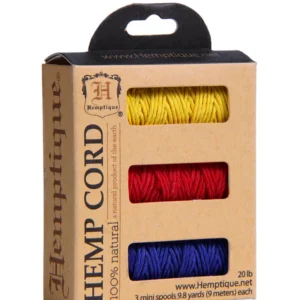
Hemp Twine/Cord – 3 pack spool in box – Rio
$14.96 (incl. tax)
$13.60 (excl. tax) Add to cartOur Spool Box sets are great for smaller projects. Each includes 3 color coordinated colors. Perfect for Macrame Jewellery Making, Scrapbooking, Greeting Cards, Gift Tags and crafting. Material: 100% Hemp Thickness: #20 = approx. 1mm Finish: Polished Length: 3×9 m. (~3×9.8 yd.) Eco-Friendly, Biodegradable, AZO-Free Dye, & Oil-Free hemp cord is polished to eliminate stray fibers, maintain strand consistency, and enhance the brilliant colors of the product. Eco-Friendly and multipurpose Hemp Cord can be used in many exciting ways.
-
-
-
-
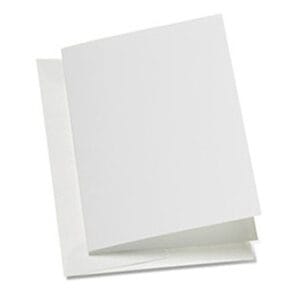
Eco White Greeting Card 240mm x 175mm creased for folding to 120mm x 175mm (Pack of 50)
$26.85 (incl. tax)
$24.41 (excl. tax) Add to cart -
-
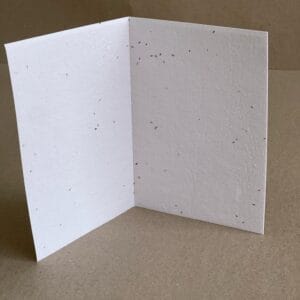
Seeded Recycled Paper Cards – Greeting Card (swan river daisies) (Pack of 20)
$66.00 (incl. tax)
$60.00 (excl. tax) Add to cart