Cellophane wrap is a thin, transparent sheet made from regenerated cellulose. Developed in the early 20th century, it is derived from plant‑based cellulose rather than fossil‑fuel plastics. Because the film resists air, oils, grease and bacteria, yet allows vapour to escape, it is widely used for packaging. Unlike petroleum‑based plastic wrap, cellophane is compostable and biodegradable —a key reason Australian stationery and craft suppliers like Buyecogreen choose it for eco‑friendly packaging.
How Cellophane Wrap Is Made?
Cellophane production begins with cellulose extracted from sustainable raw materials such as wood pulp, cotton or hemp. The cellulose is dissolved in an alkaline solution and extruded through a slit into a bath of dilute sulphuric acid, which regenerates it as a transparent film. After washing, bleaching and the addition of softeners, the film is dried and rolled. Coatings (often nitrocellulose) can be applied to improve its moisture barrier. Because the base polymer is plant‑derived and breaks down through composting, genuine cellophane wrap is a sustainable alternative to conventional plastic film.
Uses of Cellophane Wrap in the Stationery Industry
Cellophane wrap’s clarity and flexibility make it versatile across many industries. In a stationery wholesale context, typical uses include:
- Presenting gift sets – The transparency of cellophane allows customers to see a curated set of pens, notebooks, or art supplies without removing them from the package. This clear display enhances perceived value and protects the items from dust and dirt.
- Bundling promotional packs – Stationery wholesalers often assemble back‑to‑school bundles or artist starter kits. Wrapping the bundle in cellophane keeps everything together while showcasing each component.
- Securing unusual shapes – Because cellophane wrap comes on a roll, it can be cut and moulded around irregularly shaped items like deluxe compendiums or pen cylinders, then tied with ribbon for a professional finish.
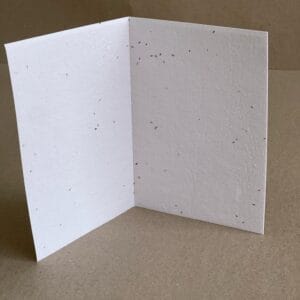
- Protecting handmade cards and crafts – The film acts as a barrier against oil, grease and bacteria, preserving delicate cards, scrapbooks or DIY craft kits in transit.
- Organising small parts – Cellophane bags (sometimes called cello bags) are ideal for small stationery items such as paper clips, drawing pins, erasers or spare ink cartridges. The bags’ transparency helps customers identify contents, while resistance to dust and dirt keeps the pieces together.
Benefits of Using Cellophane Wrap
Cellophane wrap and cello bags offer numerous advantages over conventional packaging:
- Sustainability – Cellophane is plant‑based and biodegradable. The Relis & Roth packaging guide notes that cellophane bags are recyclable and compostable, and the cellulose used is derived from sustainable forests. Compostable cellophane bags made from FSC‑certified wood fibres contain 97 % renewable content and meet standards such as ASTM D6400 and EN 13432.
- Clarity & presentation – High transparency allows customers to see the product clearly. For stationery sets, this means your colourful markers, journals or art papers are fully visible while remaining protected.
- Resistance to air, moisture & oils – Cellophane offers excellent resistance to air and water and has low permeability to oil and bacteria. Relis & Roth also note that these bags are moisture‑resistant and oil‑resistant, making them suitable for items that should remain dry and clean (such as sketchbooks or gift cards).
- Heat‑sealability & shelf‑life – According to the same guide, cellophane is heat‑sealable and can keep food items fresh for a long time. For stationery supplies, heat sealing provides tamper‑evident packaging and increases shelf life by keeping dust and dirt out.
- Lightweight & space‑saving – Cellophane bags are lightweight, occupy minimal space and are easy to store —an advantage for wholesalers needing to pack and ship large volumes of goods.
- Affordable & widely approved – Cellophane offers a low‑cost alternative to plastic bags. The material is approved by both USDA and FDA for food contact, highlighting its safety and quality.
- Compostable & biodegradable – Cellophane is compostable and biodegradable. Relis & Roth emphasise that cellulose film will break down naturally and can be composted without needing industrial facilities.
Differences Between Cellophane Wrap and Cello Bags
Although the terms cellophane wrap and cello bags are sometimes used interchangeably, they refer to different packaging formats:
- Roll versus pre‑formed bag – Cellophane wrap comes on a roll. Users cut the film to size and wrap it around items, sealing with tape or ribbon. This flexibility suits irregularly shaped stationery gift sets or bulk packs. Cello bags, by contrast, are pre‑formed pouches with an open end. They are designed for quick packing of uniform items such as greeting cards, invitations or packs of pens.
- Material variations – True cellophane wrap and compostable cello bags are made from plant‑based cellulose, whereas some products marketed as “cello bags” may actually be polypropylene or other plastics. Polypropylene bags have similar clarity but are not biodegradable. Buyers should check product descriptions or look for compostability certifications.
- Closure options – Cellophane wrap usually requires tape, ribbon or heat sealing. Cello bags may include self‑adhesive strips, zip closures or can be heat‑sealed. Resealable bags allow customers to remove and return items (valuable for sets of artist pencils or craft embellishments).
- Presentation & convenience – Wrap gives a custom‑fitted appearance and allows decorative finishing touches like bows. Bags provide faster packing for large numbers of items, which is ideal for wholesalers preparing stock for retail displays.
Why Choose Buyecogreen for Stationery Packaging?
Buyecogreen is an Australian stationery wholesaler committed to supplying environmentally responsible products. By offering compostable cellophane wrap and cello bags, the company supports schools, offices and creative businesses in reducing plastic waste. Buyecogreen’s range includes:
- Cellophane rolls in clear or tinted finishes for wrapping hampers, journals or custom stationery kits.
- Compostable cello bags in various sizes to package greeting cards, pens or small art supplies.
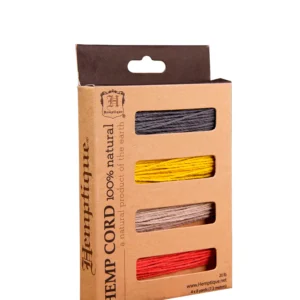
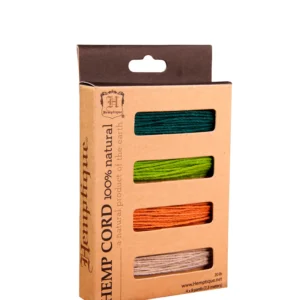
- Biodegradable ribbons and twine to complement cellophane packaging.
Partnering with Buyecogreen helps stationery retailers align their packaging choices with sustainable values while maintaining professional presentation.
Frequently Asked Questions (FAQs)
What is cellophane wrap made from?
Cellophane wrap is made from regenerated cellulose extracted from wood pulp, cotton or hemp. The cellulose is dissolved, extruded into a thin film and then washed, bleached and dried.
Is cellophane wrap biodegradable and compostable?
Yes. Cellophane is plant‑based and both biodegradable and compostable. Compostable cellophane bags made from FSC‑certified fibres meet standards such as ASTM D6400 and EN 13432.
How is cellophane wrap used in the stationery industry?
Stationery wholesalers use cellophane wrap to package gift sets, bundles and irregularly shaped items. It showcases notebooks, pens, and art supplies clearly, protects them from dust and moisture, and allows for decorative finishes like ribbons. Compostable cello bags are used for smaller items such as cards, paper clips or craft embellishments.
What are the advantages of cellophane wrap over plastic wrap?
Cellophane wrap is derived from renewable materials and is compostable, whereas most plastic wrap is petroleum‑based and does not biodegrade. Cellophane provides high clarity, resistance to air and oils, and allows moisture to escape. Plastic wrap offers a higher moisture barrier but is not environmentally friendly.
How do cello bags differ from cellophane wrap?
Cellophane wrap is sold on rolls and can be cut to any size, while cello bags are pre‑formed pouches. Bags offer quick packaging for uniform items, whereas wrap provides a bespoke finish for larger or irregular packages. Some “cello” bags are actually polypropylene, so check for compostable certifications.
Can cellophane wrap be heat‑sealed?
Yes. Cellophane is heat‑sealable. Heat sealing creates tamper‑evident packs and extends shelf life by preventing dust and dirt.
Where can I buy eco‑friendly cellophane wrap or cello bags in Australia?
Buyecogreen supplies compostable cellophane rolls, cello bags and complementary packaging accessories. When purchasing, look for products labelled as biodegradable or compostable and check certifications to ensure they are genuine cellophane products.