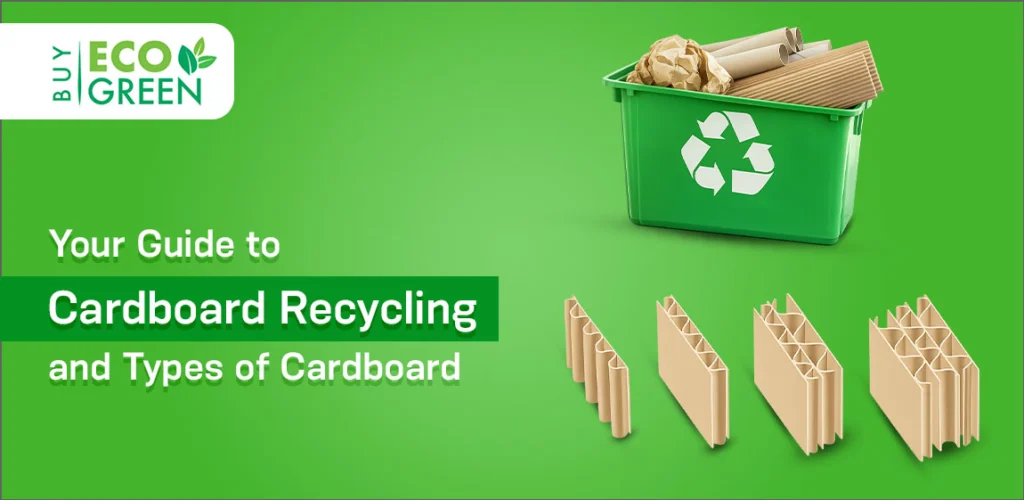
Your Guide to Cardboard Recycling and Types of Cardboard
Australia generates well over five million tonnes of paper and cardboard waste each year. A substantial share of that comes from commercial and institutional sources: schools receiving term supplies, councils managing community programs, government departments running daily dispatch operations, and not-for-profits sending out fundraiser packs.
Most guidance on cardboard recycling focuses on the back end of the loop. It tells organisations to flatten boxes, keep cardboard dry, and use the yellow-lid bin. That advice is sound, but it addresses only half the picture.
The other half is procurement. Choosing cardboard products that are already made from recycled content creates direct demand for the material recovered through kerbside and commercial recycling collections. Without that demand, the economics of recycling infrastructure weaken. Over 80 per cent of Australia’s cardboard packaging is produced from recycled fibre, and that figure only holds when buyers continue to purchase recycled-content products.
This guide covers both sides: the types of cardboard in common use, which can be recycled and which cannot, how the recycling process works in Australia, and how organisations can act on that knowledge at the buying stage.
The Main Types of Cardboard
Not all cardboard is the same material. The type of cardboard determines how it performs in use, how it is processed at recycling facilities, and what products can be made from it after collection.
Corrugated Cardboard
Corrugated cardboard is the layered board used for shipping cartons, outer packaging boxes, and storage containers. It has a fluted inner layer sandwiched between two flat liner sheets, which gives it its strength relative to weight.
This is the most widely recycled type of cardboard in Australia. It is accepted through kerbside yellow-lid bins in most council areas, provided it is clean, dry, and flattened. Commercial recycling collection services handle larger volumes generated by offices, warehouses, and institutional facilities. Once processed, corrugated cardboard fibre is used to make new corrugated boxes and other packaging products.
Buyecogreen’s Packing Cartons are made from 100% recycled paper, which means they are produced from this recycled stream and can re-enter it at end of life. They are available in flat-pack format, unprinted and suitable for storage and shipping across institutional programs.
Boxboard and Paperboard
Boxboard, also called paperboard, is the lighter single-layer card used for product packaging such as cereal cartons, medicine boxes, tissue boxes, and retail display packaging. It is thinner than corrugated board but provides enough structure for product display and light-duty protection.
Uncoated boxboard is recyclable through kerbside bins in most Australian councils. Boxboard that has been laminated with foil, coated with plastic, or lined with wax is generally not accepted through kerbside programs, as the coating prevents the paper fibre from separating cleanly during pulping.
Chipboard and Greyboard
Chipboard, also called greyboard or bookbinder’s board, is a dense, heavy board compressed from recycled paper pulp. It is used for book covers, binder boards, calendar backing, document wallets, and rigid box construction. The characteristic grey colour on its unexposed surfaces comes from the mixed waste paper content used in its manufacture.
This type of cardboard is itself produced almost entirely from recycled material, making it a clear example of closed-loop manufacturing within the paper industry. Buyecogreen’s Recycled Backing and Mailing Board is a greyboard product made from 100% post-consumer waste, FSC certified, and used across schools, offices, and council programs for document mailing protection, binding, calendar production, and display work. Greyboard can be recycled at end of life through standard paper and cardboard recycling, provided it has not been laminated or coated.
Solid Fibreboard
Solid fibreboard is a high-density, rigid board used in applications where corrugated board would be too thick or flexible. It appears in office filing products such as document wallets, presentation folders, display books, lever arch files, and ring binders.
Recycled solid fibreboard is available across many institutional office and filing products. Buyecogreen’s Ring Binders and Lever Arch Files range includes boards made from recycled kraft paper board. These can be separated from their metal ring components at end of life and recycled through standard cardboard collection.
Recycled Paper and Card Board Sheets
Beyond formed products, recycled card is available in flat sheet form for use in schools, art programs, and office environments. Buyecogreen’s Recycled Paper and Card Range includes Ecocern 100% recycled cardboard sheets made from local Australian waste paper collected from kerbside and industrial sources. Available in A3, A4, and A5 formats, these sheets are used for classroom projects, book binding, backing pads, and creative arts work across schools and childcare centres.
Cardboard That Cannot Be Recycled Through Standard Kerbside Programs
Several types of cardboard and cardboard-adjacent products are not accepted through standard kerbside recycling in Australia. It is worth knowing these categories so procurement decisions can avoid them where recyclable alternatives exist.
Waxed cardboard is used in produce boxes and cold storage packaging. The wax coating prevents effective pulping and is not accepted through most Australian recycling streams.
Foil-laminated cardboard is used in beverage cartons, snack packaging, and some gift boxes. The foil layer cannot be separated from the paper fibre during standard processing. These items go to general waste in most council areas.
Plastic-coated cardboard is found in takeaway coffee cup sleeves, ice cream containers, and some retail boxes with a high-gloss finish. A simple test: try to tear the board and look for a thin plastic film on the torn edge. If a plastic layer is visible, the board is not suitable for standard kerbside recycling.
Heavily contaminated cardboard including oily pizza boxes, wet board, and cardboard soaked with food or cleaning products may be rejected at sorting facilities even if the base board would otherwise be recyclable. Removing contaminated sections or disposing of contaminated board as general waste prevents the rejection of otherwise clean loads.
The practical procurement implication is clear: where these coated or laminated board types are currently in use for gifting, dispatch, or packaging programs, switching to uncoated recycled cardboard boxes, Recycled Gift Boxes, or Recycled Gift Satchels removes the end-of-life problem entirely.
How Cardboard Gets Recycled in Australia
Understanding the recycling process helps organisations appreciate why quality and contamination matter at the disposal stage, and why the material they purchase at the buying stage connects directly to what is available in the recycling stream.
Collection
Cardboard is collected through three primary pathways: kerbside yellow-lid bins for households and small-volume users, commercial bin services for medium to large organisations generating regular cardboard waste, and drop-off facilities at local transfer stations and recycling centres.
For organisations generating high volumes of cardboard, a dedicated commercial collection service ensures cardboard is properly separated from general waste and reaches appropriate reprocessing.
Sorting
Collected cardboard goes to a Materials Recovery Facility (MRF) where it is sorted by type and grade. Corrugated cardboard, boxboard, and mixed paper are separated from each other and from other recyclable materials such as plastics, glass, and metals.
Contaminated or wet loads may be rejected at this stage. Clean, dry cardboard that has been properly flattened and separated from food or plastic waste is the standard that enables reliable recycling outcomes.
Pulping
Sorted cardboard is sent to a paper mill where it is shredded, combined with water, and processed into pulp. This slurry is the raw material for new paper and cardboard products. The process breaks down the board into its constituent fibres, which are then cleaned and refined.
Cleaning and Fibre Processing
The pulp passes through screening and centrifugal cleaning to remove contaminants including tape residue, staples, adhesives, and inks. This cleaning stage determines the quality of the recycled fibre. Cardboard fibre that has been recycled multiple times does become shorter, which is why post-consumer recycled paper and board can have a different texture or colour to virgin-fibre products. This is a normal characteristic of recycled content.
Sheet Formation
The cleaned and processed pulp is spread onto forming screens, pressed, and dried to produce new paper or board sheets. These sheets re-enter the supply chain as packaging, cardboard, stationery, or other paper products and the cycle begins again.
The Procurement Side of the Loop: Why Buying Recycled Cardboard Matters
Disposal guidance addresses what happens after cardboard has been used. Procurement guidance addresses what happens before. Both matter for organisations that take their environmental commitments seriously.
When a school, council, not-for-profit, or government department purchases a cardboard product made from post-consumer recycled content, it is creating direct demand for the material that has been collected and reprocessed through the recycling system. That demand is what makes the investment in recycling infrastructure viable.
Post-consumer recycled content refers to material recovered from waste after it has been used by end consumers or businesses. This is different from pre-consumer or post-industrial content, which comes from manufacturing offcuts that never reached a user. Post-consumer content is the stronger form of recycled input because it draws on material that would otherwise have entered the waste stream.
FSC certification (Forest Stewardship Council) confirms that the supply chain meets responsible sourcing requirements. Where a product carries FSC certification, that claim can be documented and cited in procurement reporting. Many of Buyecogreen’s cardboard and paper board products are FSC certified.
Australian-made or Australian-sourced recycled content supports domestic recycling infrastructure and carries a lower transport footprint than imported alternatives. Products manufactured from locally recovered waste paper close the loop within the Australian paper economy.
For organisations that report on environmental performance, participate in green procurement frameworks, or are working toward measurable waste reduction targets, selecting recycled-content cardboard products at the buying stage is one of the most direct and documentable actions available.
Recycled Cardboard and Paper Board Products for Organisations
Buyecogreen’s File and Packaging range covers the cardboard-based product needs of schools, councils, government departments, not-for-profits, childcare centres, and businesses across Australia.
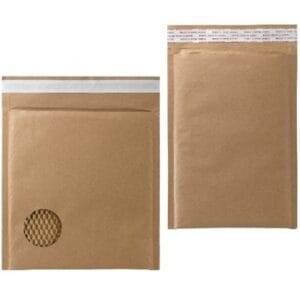
For storage and shipping, the Packing Cartons made from 100% recycled paper provide flat-pack storage and dispatch boxes that can be recycled again at end of life. Recycled Backing and Mailing Board in A4 and A5 sizes provides FSC certified, 100% post-consumer waste greyboard for document protection, mailing stiffeners, and school projects. Padded Bags, Greenwrap and Mailers offer sustainable dispatch options for organisations sending documents, publications, or smaller items through the post.
For gifting and presentation packaging,Recycled Gift Boxes made from 100% recycled cardboard and Recycled Gift Satchels provide organisations with fully recyclable outer packaging for hampers, awards, and event gifts. These pair directly with Recycled Shredded Paper for plastic-free void fill and Recycled Tissue Paper for inner wrapping.
For labelling, dispatch marking, and supply identification, Recycled Labels made from 100% recycled brown kraft paper are available in multiple formats compatible with standard laser printers and Avery templates.
For classroom and arts use, the Recycled Paper and Card Range provides greyboard and card weight sheets in A3, A4, and A5 formats from 100% post-consumer Australian waste paper.
Frequently Asked Questions About Cardboard Recycling
Can all cardboard go in the kerbside recycling bin in Australia?
Most corrugated cardboard and uncoated boxboard can be recycled through kerbside yellow-lid bins, provided it is clean, dry, and flattened. Waxed, foil-laminated, plastic-coated, and contaminated cardboard cannot be recycled through standard kerbside programs. Guidelines vary by council, so it is worth checking with your specific local authority if you are unsure about a particular product type.
What is the difference between post-consumer and post-industrial recycled content?
Post-consumer recycled content comes from material recovered after end-user consumption: collected kerbside cardboard, office paper, and industrial waste paper from businesses. Post-industrial or pre-consumer content comes from manufacturing offcuts generated before a product reaches a consumer. Post-consumer content is the stronger indicator of genuine recycling activity because it draws on material that would otherwise have entered the waste stream rather than clean production surplus.
Does recycled cardboard perform differently to virgin cardboard?
In most applications, recycled cardboard performs comparably to virgin-fibre cardboard. The main visible difference is colour: post-consumer recycled board often has a grey-brown tone from the mixed waste paper content, rather than the bright white of bleached virgin board. For most institutional packaging, filing, and office supply applications, this is not a practical limitation and is often considered a mark of genuine recycled content.
How should organisations prepare cardboard for recycling collection?
Flatten all boxes before placing them in a kerbside bin or commercial collection bin. Remove or separate any plastic tape, foam inserts, and polystyrene from cardboard before recycling. Keep cardboard dry and away from food contamination. For heavily soiled board such as greasy food packaging, separate those pieces and place them in general waste rather than contaminating the rest of the load.
How can schools and councils order recycled cardboard products in bulk?
Buyecogreen supplies schools, councils, government organisations, not-for-profits, childcare centres, and businesses across Australia with wholesale supply of recycled cardboard products and sustainable packaging materials. To discuss bulk ordering, ongoing supply arrangements, or your organisation’s specific requirements, contact the Buyecogreen team on 1300 663 488 or at info@buyecogreen.com.au.
Top Products
-
-
-
-
-
-
-
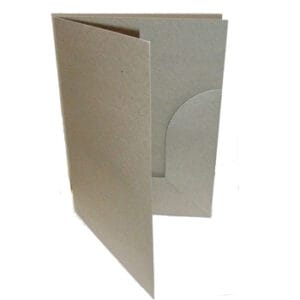
Recycled Presentation Folders A5 – Eco Brown (Pack of 10)
$15.85 (incl. tax)
$14.41 (excl. tax) Add to cart