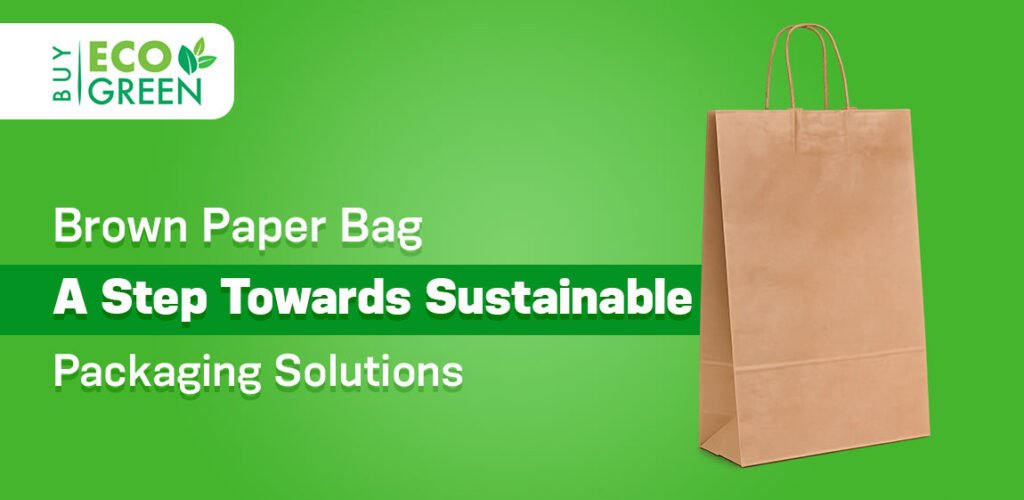
The humble brown paper bag has quietly become one of the most useful tools in Australia’s shift to greener business practices. Once thought of as a simple carrier for the bakery or fruit shop, it now sits at the centre of how schools, councils, retailers, hospitality operators, and offices are rethinking the way they pack, present, and distribute goods. With single-use plastic restrictions tightening across every state and territory, brown paper bags have stepped up as a credible, recyclable, and biodegradable alternative that fits the way Australian organisations actually work.
This guide looks at why brown paper bags belong in any serious sustainable packaging plan, the practical benefits they bring to procurement teams, and what to look for when selecting paper bags for packaging across schools, businesses, and community settings.
Why Brown Paper Bags Fit Australia’s Sustainability Direction
Australia’s environmental policy direction has been clear for years. State governments have phased out lightweight single-use plastic bags, set recycling targets, and added landfill levies that flow directly through to commercial waste collection invoices. For institutions and businesses, the choice of packaging is no longer just operational. It is a procurement decision tied to compliance, brand reputation, and reporting against environmental targets.
Brown paper bags suit this direction for a simple reason. They are made from a renewable raw material, they break down naturally if they reach landfill or open ground, and they fit cleanly into kerbside paper recycling streams. Recycled brown paper bags take this a step further by closing the loop and using post-consumer content as their feedstock.
The Benefits of Brown Paper Bags for Organisations
A few core benefits stand out when procurement teams compare brown paper bags against the alternatives.
1. Genuinely recyclable and biodegradable
Unlike many “eco-look” plastic alternatives that require commercial composting facilities, not widely available in Australia, paper bags break down easily and are accepted in standard household and commercial recycling. That makes them one of the most practical biodegradable packaging options on the market.
2. Strong fit with sustainability reporting
Schools, councils, and government organisations operating under environmental procurement frameworks need products that can be clearly documented as recycled or recyclable. Brown paper bags backed by recycled content claims tick that box and make annual sustainability reporting far less painful.
3. Print and brand-friendly
The natural kraft surface of a brown paper bag takes printing well, making it a practical choice for retailers, cafes, school canteens, council events, and not-for-profit fundraisers who want to carry their identity without resorting to plastic.
4. Sturdy enough for real institutional use
Modern brown paper bags are engineered for everyday use. Handles are reinforced, gussets are deeper, and paper grades are matched to the load. Schools running canteens, councils running community markets, and offices distributing supplies can rely on them for routine work.
5. Lower environmental footprint at end of life
A paper bag that ends up as litter or unsorted waste still breaks down in months rather than centuries. That single fact addresses one of the biggest concerns Australian councils face with traditional packaging.
Paper Bags vs Plastic Bags: The Practical Comparison
The paper bags vs plastic bags conversation often gets oversimplified. The honest comparison looks at the full lifecycle, not just one stage:
Production. Paper bags use renewable fibre, often from managed plantations or recycled stock. Plastic bags rely on fossil-derived feedstocks tied to oil markets and price volatility.
Use. Plastic bags can be lighter, but paper bags are stronger when wet-strength grades are chosen and far easier to brand with print.
End of life. This is where the difference becomes clearest. Paper bags are widely recycled and biodegrade naturally. Plastic bags persist in the environment for decades and contribute to microplastic pollution in waterways.
Compliance. Single-use plastic bag restrictions are now the norm across Australia. Paper bags align with current and incoming regulations.
Reputation. Customers, students, ratepayers, and tender panels all increasingly judge organisations on their packaging choices. Brown paper bags signal a practical commitment that plastic cannot match.
For most institutional uses, the paper option makes more sense once the full picture is on the table.
Where Brown Paper Bags Work Best
Brown paper bags are not a one-size-fits-all answer, but they cover an impressive range of B2B use cases.
Schools. Canteens, fundraising events, art and craft kits, takeaway lunches, and uniform shop purchases. The natural kraft look pairs well with school branding.
Councils. Community events, library handouts, environment days, ratepayer information packs, and waste education campaigns where the packaging itself reinforces the message.
Retail. Boutiques, independent grocers, cafes, and gift shops where presentation matters and customers expect clear sustainability credentials.
Hospitality and food service. Bakeries, sandwich bars, and takeaway outlets that need food-safe paper carriers without crossing into single-use plastic territory.
Offices. Internal distribution, mail-outs, gift bags for staff events, and packing for cross-department resource sharing.
Not-for-profits and community groups. Fundraisers, awareness drives, and community giveaways where eco-credentials are part of the message itself.
What Makes a Brown Paper Bag Genuinely Sustainable
Not every brown paper bag is created equal. A few features separate genuinely sustainable options from ones that only look the part.
- Recycled content. Bags made from post-consumer waste paper deliver the strongest landfill diversion outcomes.
- Responsible fibre sourcing. Where virgin fibre is used, it should come from certified, responsibly managed forests.
- Plastic-free construction. Some paper bags hide plastic-lined handles or laminated finishes that disqualify them from kerbside paper recycling. A genuinely sustainable bag uses paper fibre throughout.
- Right-sized formats. A bag that matches the product avoids excess material and reduces freight weight.
- Durable enough for one strong reuse. A bag that survives two trips home or one full school day before recycling has a measurably better footprint than a flimsy alternative.
These details matter for any organisation reporting on its environmental commitments.
Selecting the Right Recyclable Paper Bags for Your Organisation
Procurement teams choosing recyclable paper bags can run through a short checklist before placing an order:
- What is the bag’s primary use, and what weight does it need to carry?
- Will the bag be branded, and does the chosen paper grade take print cleanly?
- Does the bag carry any claims of recycled content or responsible fibre certifications?
- Is the construction fully recyclable, or does it include plastic components?
- What order volume best balances unit cost, storage space, and freight efficiency?
- Does the supplier offer reliable lead times for repeat institutional orders?
Working through these questions upfront avoids the common trap of buying paper bags that look the part but fall short on durability, recyclability, or brand presentation.
A Quiet Lift for Australia’s Circular Economy
Each switch from plastic to recyclable paper bags adds a small but real contribution to Australia’s circular economy targets. Recycled brown paper bags re-enter the paper recycling stream cleanly, supporting domestic mills and reducing demand on virgin fibre. For councils and schools running waste education programs, the bag itself becomes part of the lesson, a tangible example of how thoughtful procurement closes the loop on resource use.
Backing Sustainable Packaging with the Right Supply Partner
Buyecogreen supplies Australian schools, councils, government organisations, offices, hospitality operators, and community groups with a curated range of brown paper bags, recycled kraft paper rolls, recycled paper carriers, and complementary sustainable packaging built for institutional use. Bulk ordering, dependable lead times, and a strict focus on recyclable and biodegradable materials make it simple for procurement teams to keep their packaging aligned with their sustainability targets.
Brown paper bags are not a single solution to packaging waste, but they are one of the most accessible, recognisable, and credible steps any Australian organisation can take. Paired with thoughtful purchasing, the right supply partner, and clear messaging to staff and customers, they turn an everyday item into a practical statement of environmental responsibility.
Frequently Asked Questions
Are brown paper bags really better for the environment than plastic bags?
Yes, especially across the full lifecycle. Paper bags are made from renewable fibre, are widely recycled in Australian kerbside streams, and break down naturally if they end up in the environment. Plastic bags, by comparison, persist for decades and contribute to microplastic pollution in waterways.
Can brown paper bags be recycled in standard Australian kerbside bins?
Most plain brown paper bags can go straight into household and commercial paper recycling. The exception is bags with plastic-lined handles, laminated finishes, or heavy gloss coatings, which can contaminate the recycling stream. Choosing fully paper-based construction keeps them properly recyclable.
Are brown paper bags strong enough for school canteens, council events, and retail use?
Yes, when the right paper grade is selected. Modern brown paper bags use reinforced handles, deeper gussets, and wet-strength options for moisture resistance. They handle takeaway food, books, retail goods, and event giveaways without the failures that are common with cheaper paper carriers.
What should procurement teams look for when buying recyclable paper bags?
Check for recycled-content claims, responsible fibre sourcing when virgin pulp is used, plastic-free construction, and right-sized formats that match the product. Reliable bulk supply and consistent lead times also matter for schools, councils, and businesses ordering across the year.
How do brown paper bags help organisations meet sustainability targets?
They support measurable landfill diversion, fit cleanly into environmental procurement frameworks, and provide clear documentation for annual sustainability reporting. Recycled brown paper bags also feed back into Australia’s circular economy by supporting domestic paper recycling and reducing demand for virgin fibre.