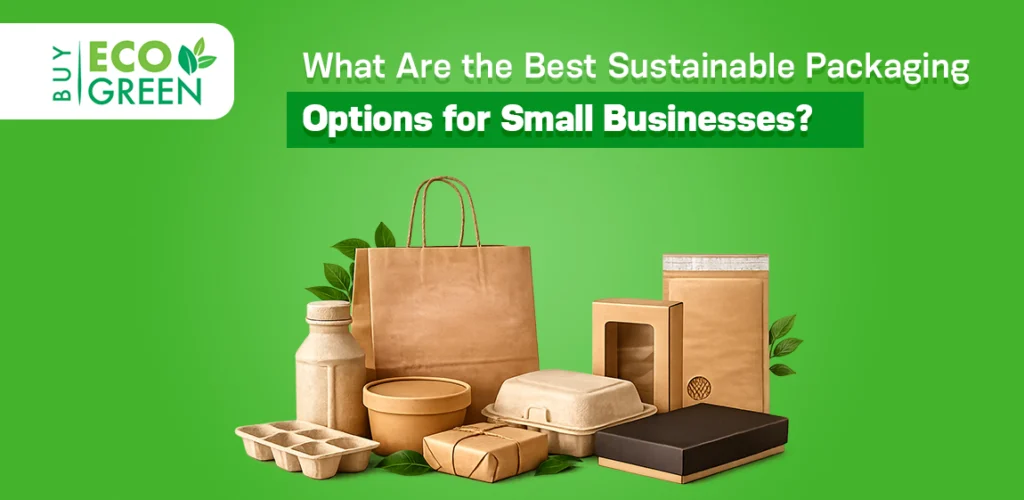
What Are the Best Sustainable Packaging Options for Small Businesses?
Packaging is the last thing a customer touches before they open what you have sent, and increasingly it is part of how a small business is judged. For Australian retailers, cafes, market stalls, online stores and makers, moving to sustainable packaging is one of the clearest ways to cut waste and show customers where the business stands. The trick is knowing which options are genuinely low-impact and which just look the part. This guide sets out the best sustainable packaging options by the job they do, and points to bulk-supply choices from the Buyecogreen eco-friendly packaging range.
What Makes Packaging Genuinely Sustainable?
Sustainable packaging is made from materials that are recycled, recyclable, biodegradable or responsibly sourced, and it keeps waste out of landfill at the end of its life. Two traps catch a lot of small businesses out. The first is compostable plastic. Many mailers marketed as compostable are made from PLA, which usually needs a commercial composting facility to break down, and those are not widely available across Australia. A recyclable paper-based option is often the more practical environmental choice because customers can put it straight in the kerbside bin. The second trap is clear film. Most bags sold as “cello” are actually BOPP, a petroleum plastic that does not biodegrade and cannot go in paper recycling. Genuine cellulose cellophane is plant-based and breaks down like paper, and a quick check tells them apart: real cellophane tears cleanly by hand, while plastic film stretches. The broader case for paper-based choices is set out in our guide to brown paper bags for sustainable packaging.
Carry and Hand-Over Packaging
For any business that hands products over a counter or at an event, the carry bag does the visible work. Recycled paper carry bags in kraft brown are the straightforward replacement for plastic; they are recyclable through standard kerbside systems, and the natural finish signals sustainability without a printed word. Twisted-handle carry bags suit retail purchases and gift distribution, while flat-handle and gusseted bags handle market and canteen items. For businesses that want a reusable option customers keep, cotton and jute gift bags have the lowest per-use impact over time. If you are weighing up which carrier fits your setting, our guide to choosing the right eco-friendly bag walks through the trade-offs.
Protective and Mailing Packaging
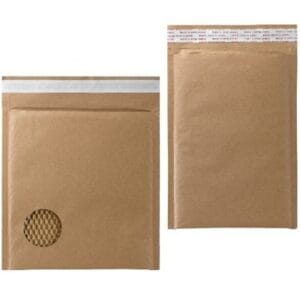
Online orders need packaging that protects the product and still recycles cleanly. Paper-based padded bags, greenwrap and mailers replace plastic bubble wrap and poly satchels while giving similar cushioning, and greenwrap in particular expands from interleaved kraft paper to protect items in transit before compressing flat for storage. For flat or rigid items that must not bend, recycled backing and mailing board keeps documents, prints and photos rigid inside the parcel. Keeping the whole parcel paper based means a customer can recycle the lot in one bin rather than separating plastic from card.
Void Fill and Cushioning
The gap between the product and the box is where a lot of plastic hides, in the form of foam, polystyrene or air pillows. The paper alternative is shredded recycled paper, which fills and cushions, is kerbside recyclable, and in the Buyecogreen range is a genuine closed-loop product made from the offcuts of recycled paper manufacturing. It suits hampers, gift boxes and fragile retail items, and it doubles as presentation fill for a considered unboxing.
Presentation and Gifting
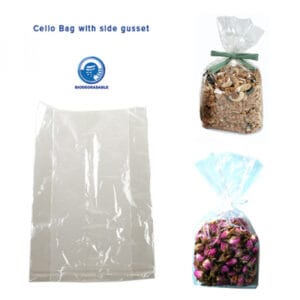
Presentation is where small businesses often win repeat customers, and it can be done without plastic. Recycled tissue paper lines boxes and wraps individual items, recycled gift boxes give hampers and product sets a sturdy outer, and recycled gift satchels suit smaller items where a filled satchel format works better than a box. Genuine cellophane sheets and bags add a clear finish for display and food items while staying biodegradable, which is the point most plastic-film options miss.
Finishing and Sealing
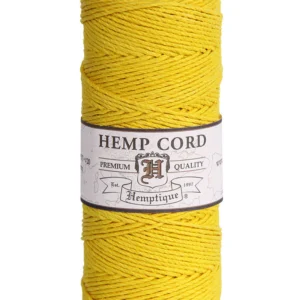
The finishing touches decide whether a parcel stays fully recyclable. Plastic tape and synthetic labels undo the work of an otherwise paper-based box, so paper-based kraft tape is the one to reach for because it recycles along with the carton. Twine, raffia and swing tags handle tying and labelling for a natural, plastic-free finish, and recycled labels cover addressing and product identification on recycled stock.
A Quick Way to Choose
If your business…
Reach for
Hands products over a counter
Recycled paper carry bags, tissue paper
Ships online orders
Padded paper mailers, greenwrap, mailing board
Cushions fragile items
Shredded recycled paper, greenwrap cushioning
Presents gifts or hampers
Recycled gift boxes, genuine cellophane, twine
Seals and labels parcels
Kraft paper tape, recycled labels, swing tags
Most small businesses land on a core set of three or four items and reorder them, rather than chasing a different product for every task.
Buying Sustainable Packaging as a Small Business
Cost is the usual worry, and buying in bulk is what settles it. Ordering packaging in pack and box quantities brings the per-unit price down and keeps supply consistent, which matters when you are packing to a deadline. Sourcing the full set from one Australian supplier also cuts freight from multiple accounts and gives you material claims you can stand behind, which is useful as customers and marketplaces ask more questions about packaging. Recycled paper bags and paper-based mailers are also a compliant switch as single-use plastic bans widen across Australian states and territories. Pairing packaging with the rest of a sustainable order, such as recycled office supplies, lets a small business standardise on greener choices without adding complexity to ordering.
Frequently Asked Questions
What is the most sustainable packaging for a small business?
Recyclable paper-based options usually work best in Australia, since customers can put them in the kerbside bin. Recycled paper bags, paper mailers and shredded paper fill cover most retail and shipping needs.
Is compostable packaging better than recyclable packaging?
Not always. Many compostable plastics need commercial composting that is not widely available in Australia, so a recyclable paper option is often the more practical low-impact choice for everyday parcels.
Is cellophane actually eco-friendly?
Genuine cellophane made from plant cellulose is biodegradable and breaks down like paper. Much of the clear film sold as “cello” is BOPP plastic, which is not, so check that it tears cleanly by hand.
How can a small business afford sustainable packaging?
Buying in bulk packs brings the per-unit cost down, and consolidating with one supplier reduces freight. Settling on a small core set of items rather than many one-off products keeps spending predictable.
What should I use instead of plastic bubble wrap and foam?
Paper-based greenwrap replaces bubble wrap for cushioning, and shredded recycled paper replaces foam and packing peanuts for void fill. Both are kerbside recyclable and protect goods in transit.
Order Sustainable Packaging for Your Business
Not sure which mix suits what you sell and how you send it? The Buyecogreen team can help you build a core packaging set and set up bulk supply that fits your ordering pattern. Call 1300 663 488 or email info@buyecogreen.com.au to discuss a wholesale enquiry.